
For most riders, the better order is Srinagar to Leh first and Manali out: the Srinagar route opens earlier in spring, tops out lower (Fotu La at 13,479 ft against Tanglang La at 17,582 ft), and lets you sleep at Kargil before Leh, so your body climbs in steps. The Manali route crosses four passes above 15,500 ft and usually means a night near 14,000 ft at Sarchu before you have acclimatised. In late May and early June, the bigger risk is that Baralacha La on the Manali side is not yet reliably open, so plan the Manali leg last and keep spare days.
- Srinagar in, Manali out suits most riders, and nearly everyone riding before mid-June.
- 4,108 m is the top of the Srinagar route (Fotu La); the Manali route reaches 5,359 m at Tanglang La.
- Kargil, 2,676 m, is the first night on the Srinagar side; Sarchu, around 14,000 ft, is the trap on the Manali side.
- Weeks apart: in 2025 Zoji La reopened on 1 April and the Manali road on 13 May.
- Two empty days at the end of a late-May or June trip turn a closed Baralacha La from a crisis into a wait.
The question comes from a real thread, and its ending is the whole answer in miniature. The data below explains it.
A rider planning a Ladakh bike trip between 27 May and 6 June asked Tripoto's community whether to ride Manali–Leh–Srinagar or the reverse, and whether that window was risky. The replies split both ways. The most detailed one said only the Srinagar–Leh road is usually open in late May, that the Manali road opens in early June, and that its first 7 to 10 days bring blockages, snow walls near Rohtang and Baralacha, and wet stretches that are hard to cross.
Her dates only allowed Srinagar–Leh–Manali anyway. Then she posted an update. She started from Srinagar on 3 June, but Baralacha La was still closed. She waited near the pass for almost 48 hours, then rode back the way she had come. Her advice to the next rider was short: if you travel in the early batches, make sure the passes are open.
Tripoto community: Planning a Ladakh bike trip in late May or early June (the rider's own update)Which route is easier on altitude sickness, Manali or Srinagar?
The Srinagar route is easier, because it gains height in smaller steps and sleeps lower. From Srinagar the road climbs over Zoji La (11,578 ft) to Drass and drops to Kargil (8,780 ft) for the night, then crosses Namika La (12,198 ft) and Fotu La (13,479 ft) to reach Leh (11,562 ft) on day two. Your first night above 10,000 ft is in Leh, where you can stop and rest.
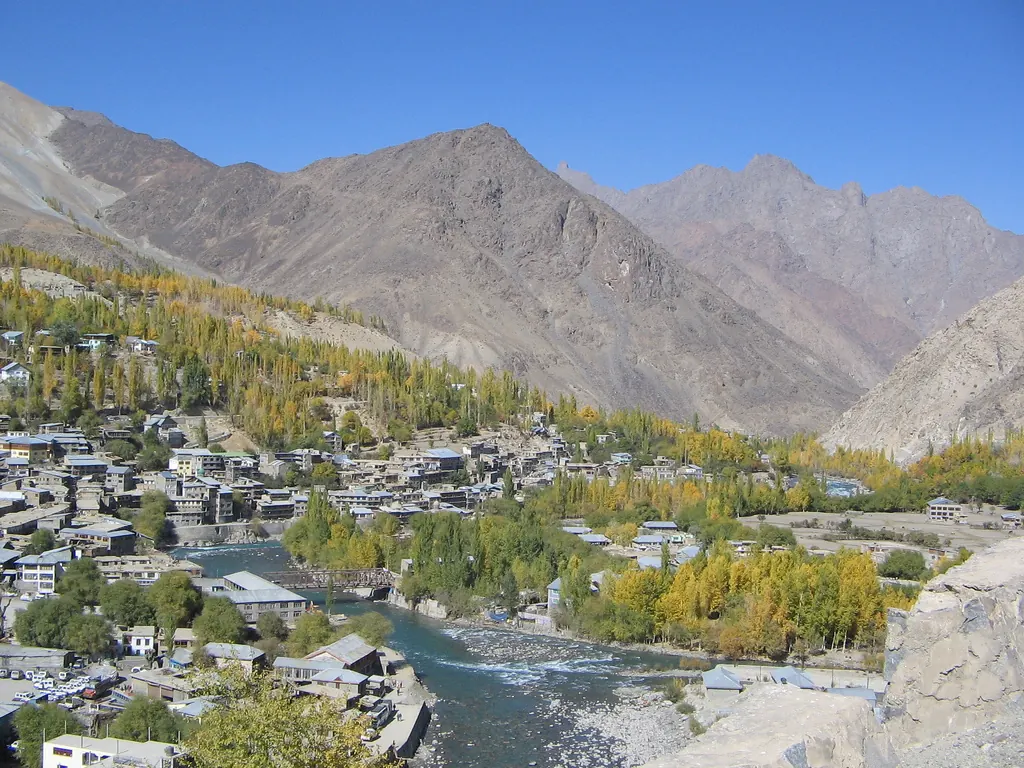
The Manali route goes the other way. After the Atal Tunnel (3,060 m), the road climbs to Baralacha La (16,047 ft), then Sarchu (about 14,000 ft), Nakee La (15,547 ft), Lachulung La (16,616 ft) and Tanglang La (17,582 ft) before dropping to Leh. Unless you ride Manali to Leh in one punishing day, you sleep at Jispa or Sarchu, and a night at Sarchu puts you above Leh's height on your second day out of the plains.
See the data as a table
| Altitude (m) | |
|---|---|
| Atal Tunnel | 3060 |
| Baralacha La | 4891 |
| Sarchu | 4300 |
| Nakee La | 4739 |
| Lachulung La | 5065 |
| Tanglang La | 5359 |
| Leh | 3524 |
Source: Discover with Dheeraj, Manali Leh highway status 2026 (Oct 2026); Leh from the Srinagar Leh highway status page · Pass heights converted from feet. Sarchu is approximate.
See the data as a table
| Altitude (m) | |
|---|---|
| Sonamarg | 2731 |
| Zoji La | 3529 |
| Kargil | 2676 |
| Namika La | 3718 |
| Fotu La | 4108 |
| Leh | 3524 |
Source: Discover with Dheeraj, Srinagar Leh highway status (Oct 2026) · Converted from feet; the source lists stage altitudes without saying whether each is the start or end of a stage, so treat them as approximate.
Look at the shape of the two lines. The Srinagar line never goes above about 4,100 m and comes back down to sleep. The Manali line spends a whole day above 4,700 m.
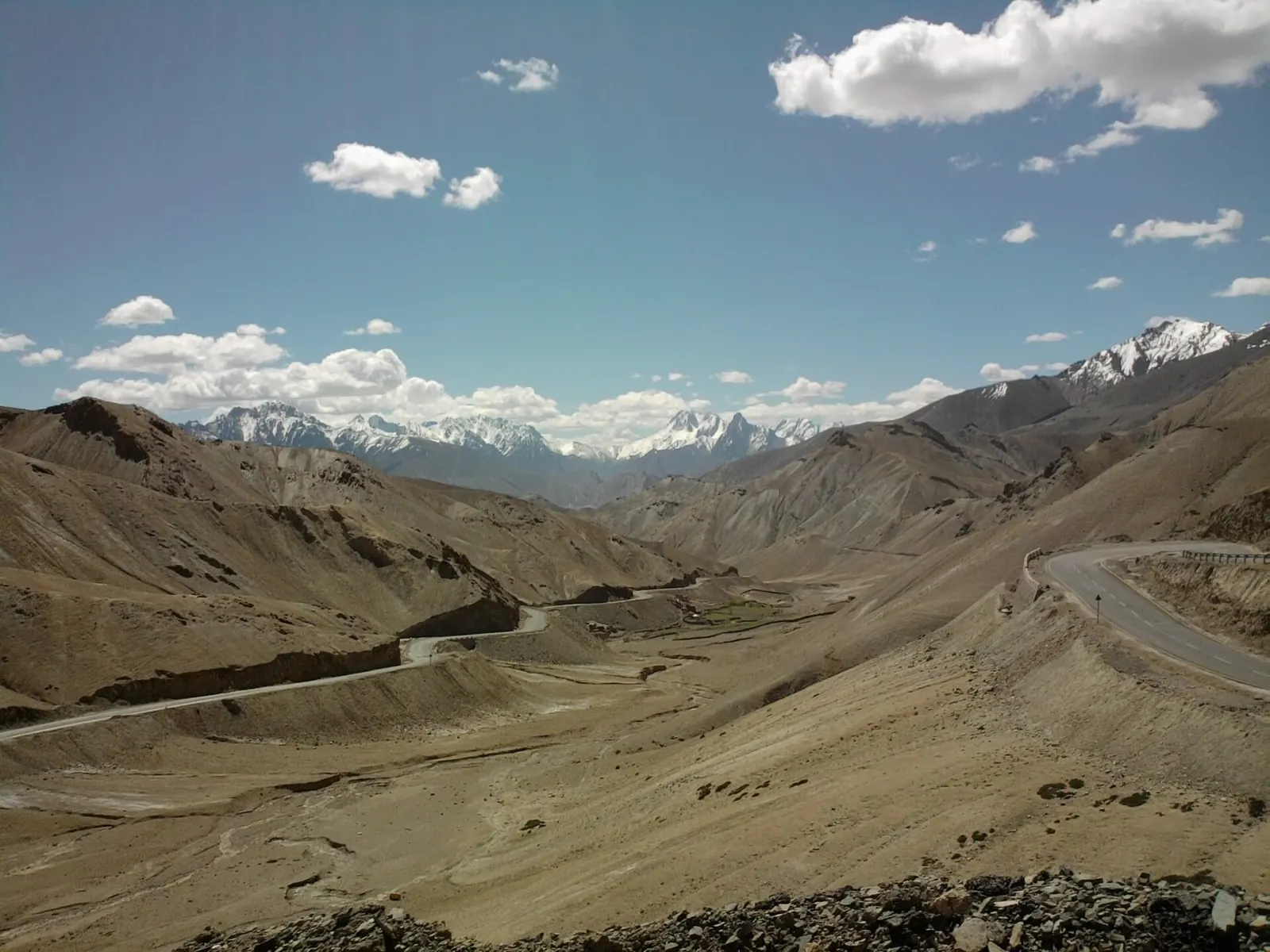

Ladakh's own tourism advisory asks visitors to gain no more than 300 to 500 m a day above 3,000 m and to rest at least 48 hours in Leh before going higher. Riding in from Manali breaks that rule by design; riding in from Srinagar comes close to keeping it.
Use this to check what you just read: put in where you slept last night and where you plan to sleep tonight.
Is tonight's sleeping height too big a jump?
What the research on fast arrivals says
Two studies, one in Archives of Public Health and one in the Journal of Travel Medicine, point the same way: how fast you gain height matters more than how you travel.
The team surveyed 2,203 tourists in seven randomly chosen Lhasa hotels within about three days of arrival, using the Lake Louise score. AMS prevalence was 36.7% (95% CI 34.6 to 38.7%). Arriving by air raised the risk (adjusted prevalence ratio 1.17), and so did being under 55 (1.29) and reporting poor or average health (1.63); recent exposure to altitude in the previous three months cut it (0.71). The limits: a cross-sectional design, hotel-only sampling and only three days of follow-up. For Ladakh, the point is that time already spent at altitude protects you, and that arriving fast hurts.
Read the paper (free)Pooling 12 observational studies of 11,021 people going to altitudes between 2,200 and 4,559 m, the authors found AMS incidence rose about 4.5 times faster with altitude after air travel than after slower ascent on foot, by car or mixed modes: roughly 11.5% against 2.1% per 100 m. Young people and women were affected more often. The limits: different AMS definitions across studies and possible confounding. The takeaway for a rider is that the rate of ascent matters more than the vehicle; a two-day ride that sleeps at Kargil is a slow ascent, a day that crosses Baralacha and sleeps at Sarchu is a fast one.
Read the paper (free)Which road opens first in May and June?
The Srinagar–Leh road opens first almost every year, because Zoji La at 11,578 ft is the only high pass on it, while the Manali road needs four high passes cleared. In 2025, the Border Roads Organisation reopened Zoji La on 1 April after a record 33-day clearance; the Manali road was connected on 13 May.
| Year | Srinagar–Leh (Zoji La) reopened | Manali–Leh connected |
|---|---|---|
| 2021 | 28 February | n/a |
| 2022 | 19 March | n/a |
| 2023 | ~16 March | May |
| 2024 | ~15 April (one-way, odd-even days) | 23 April |
| 2025 | 1 April (33-day record) | 13 May |
| 2026 | Mid-April | Baralacha La reopened to light vehicles 15 May; two-way tourist traffic from 1 June |
Two things in that table matter more than the dates:
- "Opened" is not "open to tourists". Both roads typically run one-way convoys or restricted hours for weeks after the first vehicles cross. In 2024, Zoji La ran one-way from 7 to 11 am, Srinagar to Kargil on even dates and back on odd dates.
- The dates move by weeks from year to year. A plan that needs the Manali road on 1 June is a plan that sometimes fails, as it did for the rider in the thread.

Is late May or early June risky for a Ladakh bike trip?

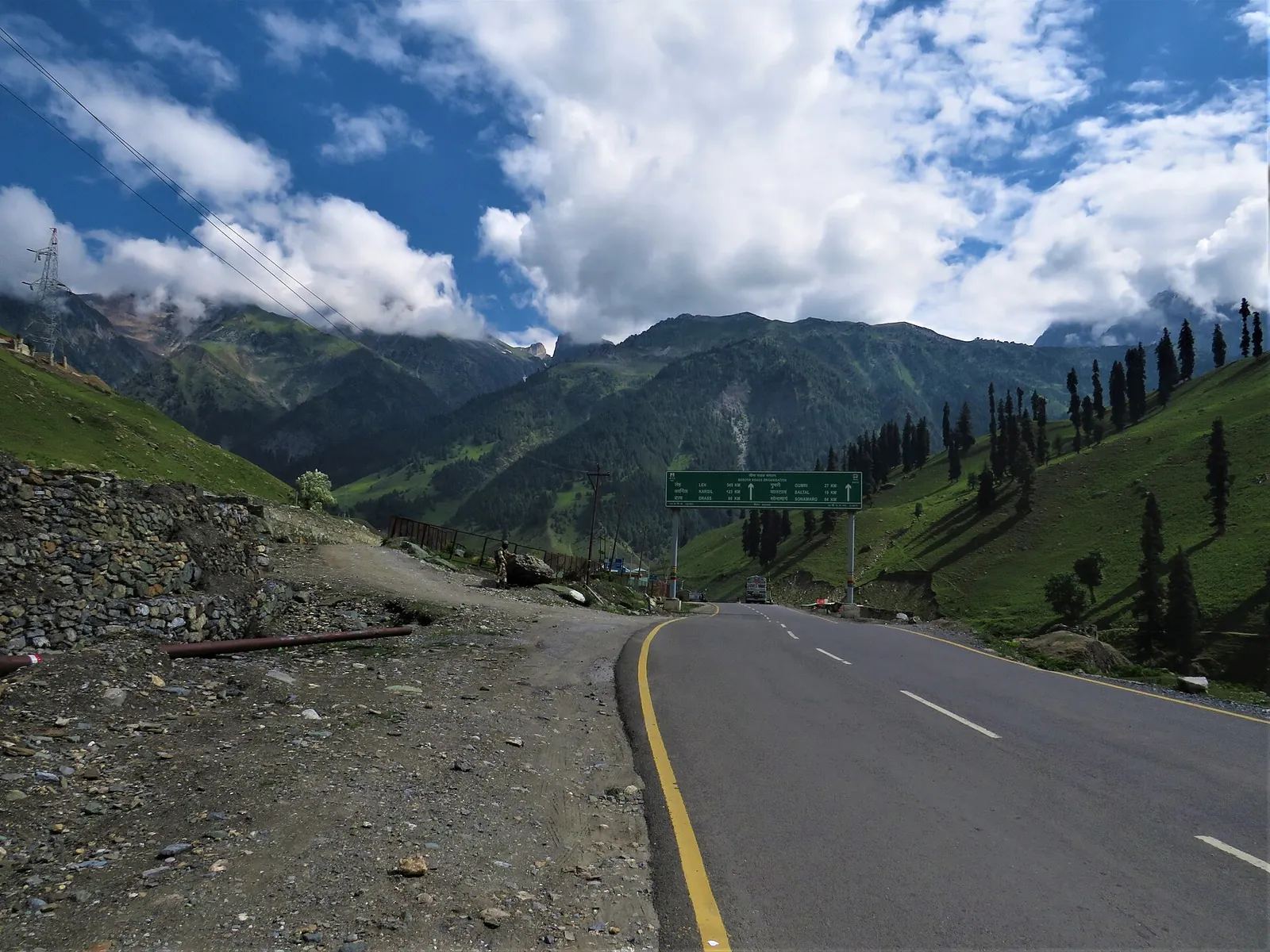
It is riskier than July, but the risk is mostly about closures and cold, not danger you cannot manage. In late May and the first half of June, expect snow walls on the passes, water crossings from melting snow near Baralacha La through mid-June, one-way traffic windows at Zoji La, and the chance that the Manali road reopens later than you hoped.
- Water crossings: near Baralacha La, crossings, gravel and loose surfaces are common through mid-June; glacial-melt crossings return in July and can run high in August, worst in the afternoon.
- Fuel: on the Manali side, the gap between Tandi and Karu is about 345 km with no reliable pump. On the Srinagar side there is fuel at Srinagar, Sonamarg (seasonal), Drass, Kargil, Mulbekh and Khalsi, though early-season supply can be uncertain.
- Cold: nights at Sarchu and Pang can be well below freezing in early June.
The technique for snow-melt crossings is in water crossings and snow riding, and planning fuel for the Tandi to Karu gap is in motorcycle fuel range planning.

So which way should you ride? A recommendation by rider type
Go in via Srinagar and out via Manali if you have 10 days or fewer, are new to altitude, or are riding before mid-June. Reverse it only if you are already acclimatised or riding in July to September with time to spare.
| You are... | Ride this way | Why |
|---|---|---|
| A first-timer to high altitude | Srinagar → Leh → Manali | Sleep at Kargil, rest in Leh, cross the high Manali passes once acclimatised |
| Riding late May to mid-June | Srinagar → Leh → Manali | Srinagar opens earlier; if Baralacha is shut, you can wait in Leh or exit the way you came |
| Riding July to September with spare days | Either; Manali first is fine with a night at Jispa | Both roads open; Jispa is lower than Sarchu |
| Coming off a week in Spiti or Lahaul | Manali → Leh → Srinagar | Already acclimatised, and the Manali passes come early in the trip while you are fresh |
| Late-season rider (October) | Check closures daily; Manali can close by mid-November | In 2025 the Manali road closed beyond Zingzingbar on 20 November |
If you do go Manali first, avoid sleeping at Sarchu on the way up. A night at Jispa (about 10,500 ft, per travel guides) costs you nothing in distance and puts your first high night after a day of climbing, not before. For the full day-by-day version, see my acclimatisation plan for a Ladakh ride.
How will the Zojila tunnel change this answer?
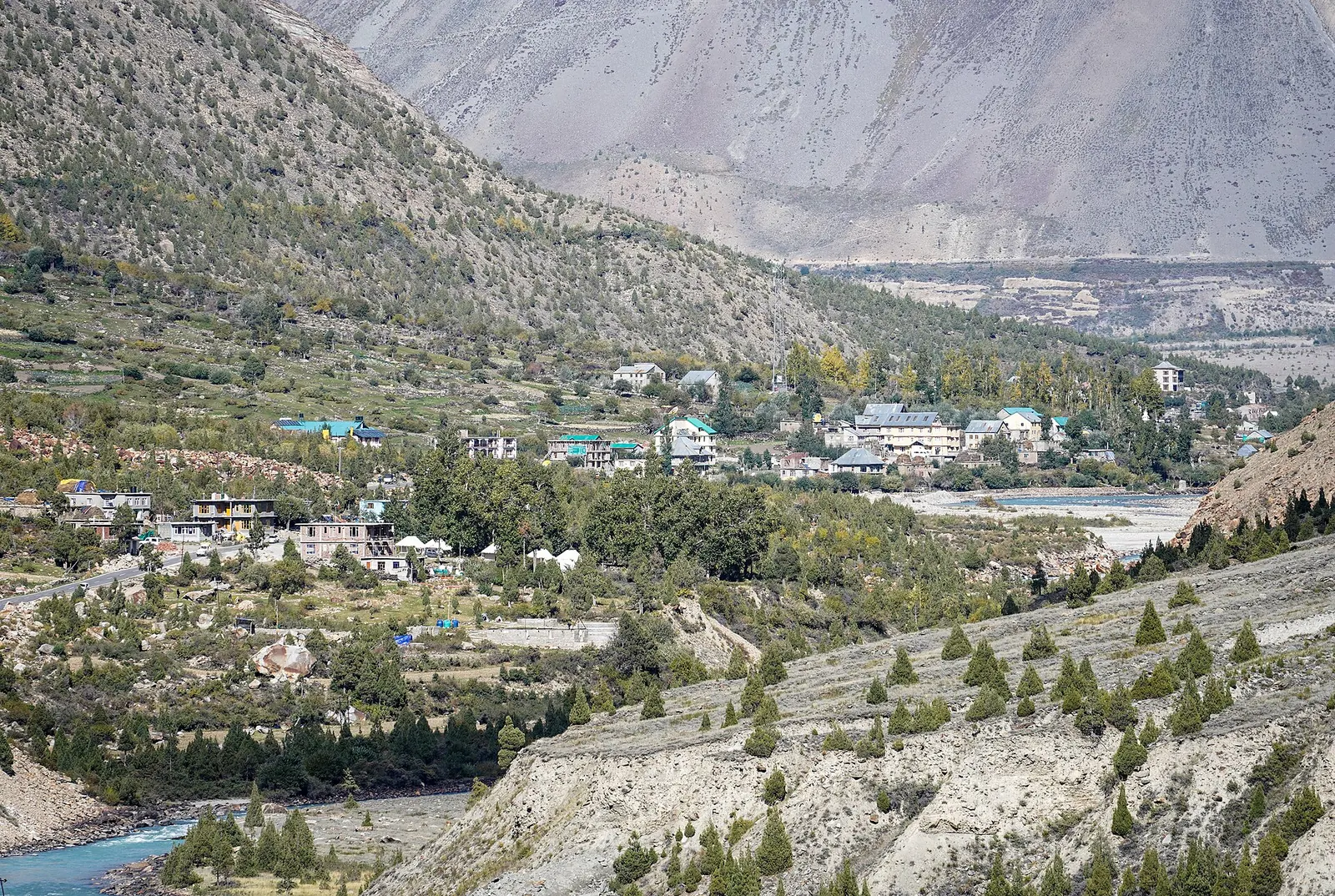
It will make the Srinagar route even more dependable, but not before 2028. The 13.15 km main tunnel at 11,578 ft broke through on 9 June 2026 and is scheduled to be commissioned by February 2028.
Once open, crossing Zoji La should take about 15 minutes instead of more than three hours.
Until then, the pass road with its convoy windows is the route. The story of how the Srinagar road and its pass were built is in the Srinagar–Leh highway and Zoji La history, and the Manali road's is in the Manali–Leh highway history.

What does a sensible 10-day loop look like?
A 10-day loop from Srinagar that respects both the calendar and your lungs looks like this, with two buffer days built in:
- Day 1: Srinagar to Kargil. Cross Zoji La in its traffic window; sleep at 8,780 ft.
- Day 2: Kargil to Leh over Namika La and Fotu La.
- Days 3 and 4: rest in Leh. The advisory's 48 hours, with short walks only.
- Days 5 to 7: local loops (Khardung La, Pangong, Tso Moriri), coming back to sleep lower where you can.
- Day 8: Leh to Jispa or Keylong over Tanglang La, Lachulung La, Nakee La and Baralacha La, with fuel for the Karu to Tandi gap.
- Day 9: Jispa to Manali through the Atal Tunnel.
- Day 10: buffer. For a closed pass, a slide, or weather.
Costs for a loop like this are broken down in what a Ladakh bike trip costs, and everything else is in the Leh Ladakh bike trip guide. For my own long rides, start at the Yatri world.
What's new
- Manali–Leh road reopens for light vehicles via Baralacha La The Tribune, May 2026
- Zojila tunnel achieves final breakthrough; commissioning due February 2028 All India Radio, Jun 2026
- Ladakh bans single-use plastics, with checks at entry points UT Ladakh administration, Jun 2026
- Zoji La reopens in a record 33 days Kashmir Reader, Apr 2025
Questions people ask
Is Manali–Leh–Srinagar or Srinagar–Leh–Manali better?
Srinagar–Leh–Manali for most riders, especially before mid-June: it opens earlier, climbs more gently and puts the highest passes at the end, when you are acclimatised. Manali first works in July to September if you sleep at Jispa rather than Sarchu.
Is the Manali–Leh highway open in late May?
Sometimes. In 2024 it was connected on 23 April; in 2025 on 13 May; in 2026 Baralacha La reopened to light vehicles on 15 May, with two-way tourist traffic from 1 June. Check the Lahaul-Spiti administration's daily updates before committing.
Can I ride Manali to Leh in one day?
The road is about 431 km, quoted at 12 to 14 hours non-stop for cars. On a bike, over four high passes and with the altitude risk above, two days is the sensible plan.
Where should I avoid sleeping on the way up from Manali?
Sarchu and Pang, both around or above 14,000 ft. Jispa or Keylong are lower and better first-night stops.
Do I need an extra fuel can?
On the Manali route, yes, for the roughly 345 km Tandi to Karu gap unless your tank range clearly covers it with a reserve. On the Srinagar route, fuel stops are closer together, but early-season supply can be patchy.
Sources
- Tripoto community: Planning a Ladakh bike trip in late May or early June
- Discover with Dheeraj: Manali Leh highway status 2026 (2026)
- Discover with Dheeraj: Srinagar Leh highway status (2026)
- The Tribune: Manali–Leh road reopens for light vehicles via Baralacha La (2026)
- Kashmir Reader: Zojila pass reopens in record 33 days (2025)
- All India Radio: Zoji La tunnel achieves final breakthrough (2026)
- Department of Tourism, UT Ladakh: Travel advisory (2026)
- Gonggalanzi et al.: AMS among tourists visiting Lhasa, Archives of Public Health (2016)
- Burtscher et al.: Flying to high-altitude destinations, Journal of Travel Medicine (2023)

Sapta (Saptarshi Sarkar) is a mechanical engineer turned marketer in Bengaluru and a solo touring rider. He writes the seven Saptaverse blogs. Work with him or read more of RoadHook Rides.


