
India's divorce rate is very low: Census 2011 counted only 13.62 lakh divorced people against 57.95 crore married ones, about 2 per 1,000. But marriages do end. Another 35.35 lakh people were "separated" without a decree, more than two and a half times the divorced, and two-thirds of all divorced and separated people were women. Stigma, family control over marriage, slow courts and women's financial dependence push Indians towards informal separation rather than divorce.
- 13.62 lakh divorced and 35.35 lakh separated Indians in Census 2011: separation outnumbers divorce more than 2.5 to 1.
- 67% of the 48.97 lakh divorced or separated people were women.
- About 2.4 divorced people per 1,000 married people (my calculation from the Census counts).
- Muslims show more divorce, Hindus more separation, and Sikhs the least of both (Census 2011).
- Since 2023 the Supreme Court can end a marriage that has irretrievably broken down under Article 142, but Parliament has never made it a ground in law.
Low divorce is often read as a sign that Indian marriages are happier. The Census data say something different: a large share of broken marriages simply never reach a court. Here is what the numbers show, why the legal exit is so narrow, and what has changed since.
What is the divorce rate in India?
India publishes no annual divorce rate, so the best measure is the Census count of people whose current status is divorced. The report Marital Status by Religious Community and Sex: Census 2011, released in August 2016, counted:
- 57.95 crore married people;
- 5.55 crore widowed;
- 13.62 lakh divorced;
- 35.35 lakh separated.
That works out to roughly 2.4 divorced people for every 1,000 married people, or about 0.2% of everyone who has ever married. Add the separated and it rises to about 0.8%. These are stocks, not yearly rates: they count people at one moment, and people who divorced and remarried show up as married. So they understate how many marriages end, and they cannot be compared directly with the yearly "crude divorce rates" other countries publish.
| Census 2011 status | Men | Women | Total |
|---|---|---|---|
| Separated | 11.62 lakh | 23.72 lakh | 35.35 lakh |
| Divorced | 4.52 lakh | 9.09 lakh | 13.62 lakh |
| Separated or divorced | 16.15 lakh | 32.82 lakh | 48.97 lakh |
Source: Census 2011 marital status report, as reported by Deccan Herald, August 2016. Totals may differ by rounding.
See the data as a table
| Women (lakh) | Men (lakh) | |
|---|---|---|
| Separated | 23.72 | 11.62 |
| Divorced | 9.09 | 4.52 |
Source: Census 2011, Marital Status by Religious Community and Sex, via Deccan Herald (Aug 2016)
Why do so many Indians separate instead of divorcing?
Because separation needs no court, no lawyer and no public admission that the marriage failed. Economists C.P. Chandrasekhar and Jayati Ghosh, analysing the same Census, found that separation accounts for 63% of all separated and divorced women, and that most separations are informal arrangements, often abandonment by the husband.
That informality has a cost. A separated woman has no decree, so she has no clear claim to maintenance or property unless she goes to court anyway. Chandrasekhar and Ghosh note that such women often fall back on their natal families and are pushed towards poverty.
A couple married in 2012 and lived together for about 65 days. Over the next decade and more they filed over 40 cases against each other, civil and criminal, in several courts. In January 2026 a two-judge Supreme Court bench of Justices Rajesh Bindal and Manmohan finally dissolved the marriage under Article 142 of the Constitution, holding that it had irretrievably broken down. The judges warned that couples were turning courts into battlefields, urged pre-litigation mediation, and ordered each side to pay ₹10,000 in token costs. Fourteen years for a marriage that lasted two months is the Indian divorce system at its worst.
LiveLaw: Warring couples can't make courts their battlefield (Supreme Court, Jan 2026)Why are two-thirds of divorced and separated Indians women?
The Census records only current status, so the likeliest explanation is remarriage: a man who remarries moves back into the "married" column, while a divorced or deserted woman who stays single remains counted. Women outnumbered men among the divorced and separated in every major religion except Sikhism.
Chandrasekhar and Ghosh add a harsher detail: women who have only daughters are more likely to see their marriage dissolve than women with at least one son, and that holds across castes, religions, rural and urban areas, and education levels. Son preference reaches even into who gets left.
Is divorce higher in some religions?
Yes, and the gap is mostly about the route out. Muslims had the higher divorced share, which Chandrasekhar and Ghosh link to the relative ease of divorce in Muslim personal law, while Hindus had the higher separated share.
| Group (Census 2011) | Separated | Divorced | Pattern |
|---|---|---|---|
| Hindus | 0.29% | 0.09% | Separation more than 3x divorce |
| Muslims | 0.22% | 0.15% | Higher divorce, women far outnumber men |
| Buddhists, Christians, "Other" | Highest combined dissolution | Per Chandrasekhar and Ghosh | |
| Sikhs | Lowest combined dissolution | Only group where women do not dominate | |
Shares are of each community's total population. Sources: Census 2011 via Deccan Herald; Chandrasekhar and Ghosh (2017).
Why is the legal route to divorce so narrow?
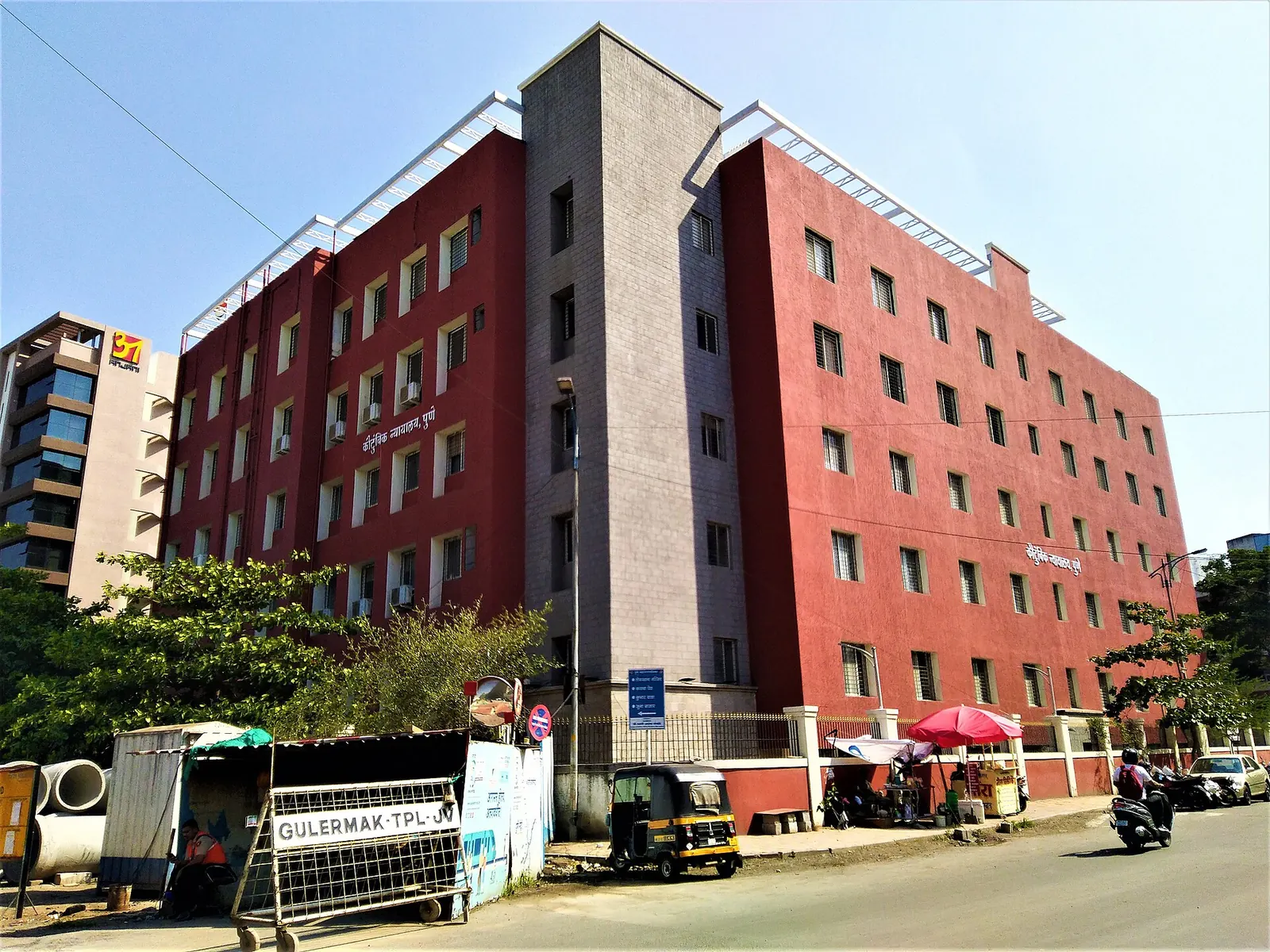
Because Indian law still treats divorce as something one spouse must prove against the other, unless both agree. Under the Hindu Marriage Act, 1955 and the Special Marriage Act, 1954, a contested divorce needs a fault ground such as cruelty, adultery or desertion (two years). A mutual-consent divorce needs at least one year of living apart before filing and, by default, a further six months after filing.
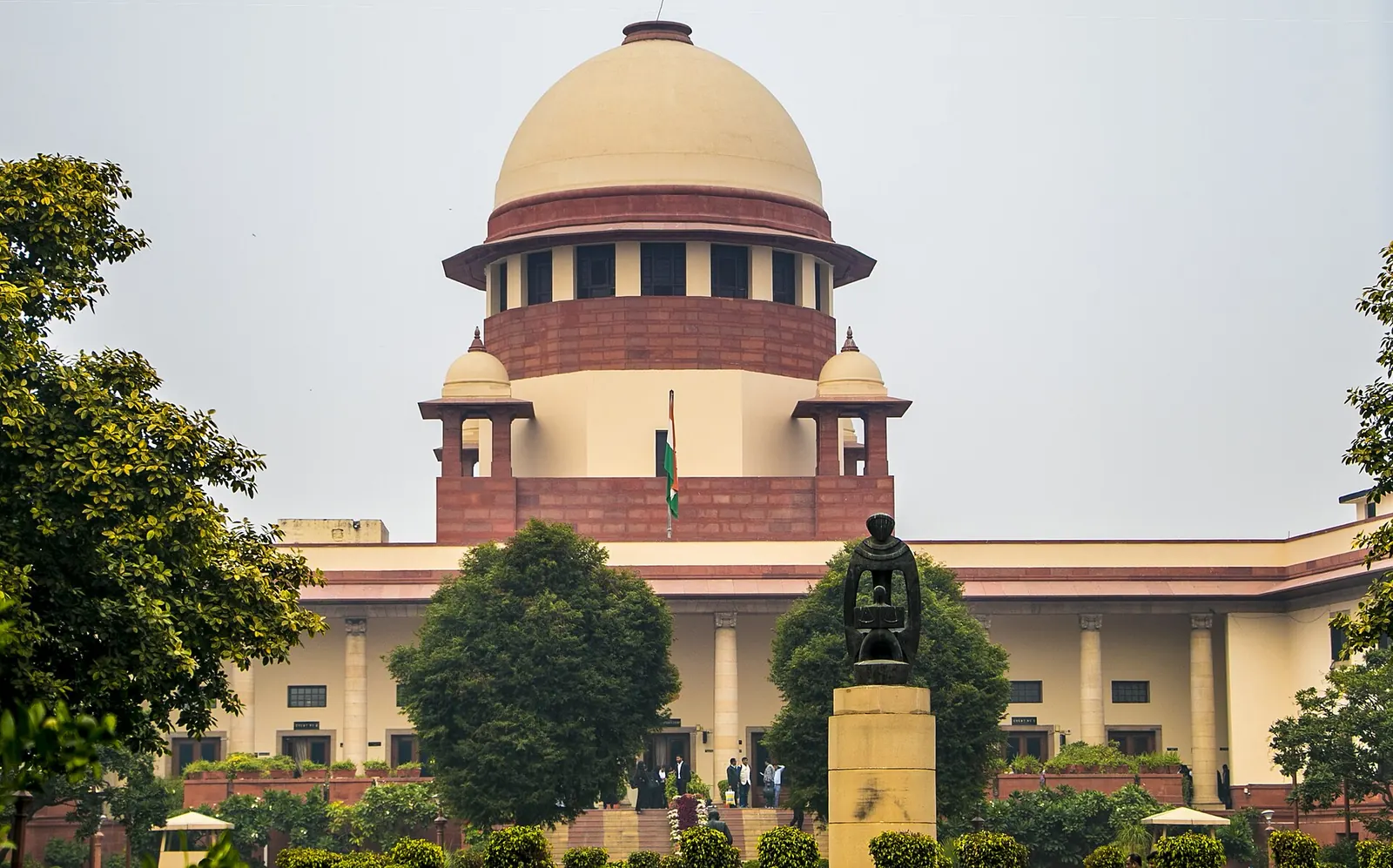
The Law Commission's 71st Report (April 1978) recommended adding "irretrievable breakdown of marriage" as a ground. Nearly 50 years later, Parliament has not done it. The gap was filled by the Supreme Court instead: in Shilpa Sailesh v. Varun Sreenivasan (2023), a five-judge bench held that it can dissolve a broken marriage under Article 142 to do "complete justice". Only the Supreme Court has that power, so most couples cannot use it.
What keeps unhappy couples together?
Four forces, and they reinforce one another.
- Families arrange and police marriages. Chandrasekhar and Ghosh describe marriage in India as decided by families more than individuals, with caste endogamy still dominant. Ending it means defying both families. See arranged marriage in data and why only a few Indians marry across caste.
- Stigma falls on the woman. Many women are urged, even by their own parents, to stay with violent husbands rather than leave.
- Money. With low paid work among women and unequal inheritance in practice, leaving can mean losing a home. Many couples also live in joint families, where the house belongs to in-laws.
- Courts are slow. Contested cases run for years, and the 2026 Supreme Court cases above involved 40 and 80 separate proceedings.
The violence that some women stay through is measurable. In NFHS-6 (2023-24), 22.3% of ever-married women aged 18-49 reported ever experiencing physical or sexual violence from a husband, down from 29.2% in NFHS-5. In rural areas it was 24.4%.
A low divorce rate measures how hard it is to leave, not how happy people are who stay.Sapta, reading Census 2011 and NFHS-6

The authors analyse Census 2011 tables on women's marital status by age, religion and residence. More than 42 lakh women (4,225,940) were separated or divorced in 2011, with separation making up 63% and dissolution peaking at ages 35-39. Buddhist, Christian and "other" women had the highest dissolution, Muslim women more than Hindu, and Sikh women the least; there was hardly any rural-urban difference. Women with only daughters faced higher dissolution than women with a son. The limit: Census data record current status only, so they cannot show when marriages ended or capture remarriage.
Read the article (free)NFHS-6 is the sixth round of India's largest household health survey, giving national and state indicators for 2023-24 with NFHS-5 (2019-21) for comparison. Relevant here: 22.3% of ever-married women aged 18-49 had ever faced spousal violence (17.5% urban, 24.4% rural), down from 29.2%; and 20.1% of women aged 20-24 had married before 18, down from 23.3%. Early marriage and violence both shape who can leave a marriage. The limit: fact sheets report prevalence, not causes, and violence is self-reported to an interviewer, so it is likely under-reported.
See the fact sheets (free)Is divorce increasing in India?
Probably, but there is no official series that proves it. The last full count is from 2011, and India does not publish yearly divorce statistics. What is visible is pressure on the courts: in January 2026 the Supreme Court said matrimonial litigation had grown manifold and that it was flooded with transfer petitions, and it asked courts to try mediation before calling for replies in maintenance and domestic violence cases.
The courts are also refining the breakdown doctrine. In November 2025 the Supreme Court held that living apart does not by itself prove a marriage has broken down, and that courts must look at who broke it. In April 2026 it dissolved a marriage after ten years of separation and over 80 cases, ordering ₹5 crore in permanent alimony.
What's new
- Supreme Court dissolves a 10-year estranged marriage and quashes 80 cases LiveLaw, Apr 2026
- Foreign divorce decree not enforceable if a spouse could not contest it LiveLaw, Mar 2026
- Should irretrievable breakdown become a statutory ground for divorce? LiveLaw, Sep 2026
- Living separately does not alone mean a marriage has broken down LiveLaw, Nov 2025
Related reading: why dowry was paid in 95% of rural marriages and crime against women by state. More questions like this live on the Kyun page.
Questions people ask
Why is the divorce rate so low in India?
Because most broken marriages end in informal separation rather than a decree: Census 2011 counted 35.35 lakh separated against 13.62 lakh divorced. Family control over marriage, stigma for women, financial dependence and slow courts all push couples away from formal divorce.
Is divorce increasing in India?
Likely, but unproven: India publishes no annual divorce data and the last count is Census 2011. The Supreme Court said in January 2026 that matrimonial litigation has grown manifold.
How long does a mutual consent divorce take in India?
Under the Hindu Marriage Act, the couple must have lived apart for at least a year before filing, and the law then sets a minimum six-month gap before the decree. A contested divorce on fault grounds usually takes much longer.
Can you get a divorce in India if your spouse refuses?
Only by proving a fault ground such as cruelty or desertion. Irretrievable breakdown is not a statutory ground; only the Supreme Court can dissolve a marriage on that basis, under Article 142.
Sources
- Deccan Herald: More women divorced in India, report on marital status (Census 2011) (2016) (all Census counts)
- Macroscan: Marital Breakdown in India (C.P. Chandrasekhar and Jayati Ghosh) (2017)
- IIPS: National Family Health Survey (NFHS-6) 2023-24 fact sheets (spousal violence, child marriage)
- LiveLaw: Supreme Court flags growing matrimonial litigation (Jan 2026)
- LiveLaw: Supreme Court dissolves 10-year estranged marriage (Apr 2026)
- LiveLaw: Article 142 and irretrievable breakdown (Shilpa Sailesh; 71st Law Commission Report) (2025)
- LiveLaw: Living separately does not alone mean breakdown (Nov 2025)
- LiveLaw: Foreign divorce decrees (Mar 2026)
- Wikipedia: Divorce, India section (separation and waiting periods; desertion ground)

Sapta (Saptarshi Sarkar) is a mechanical engineer turned marketer in Bengaluru and a solo touring rider. He writes the seven Saptaverse blogs. Work with him or read more of Whyblog.