Only about 5% of Indian marriages are inter-caste. In the India Human Development Survey (IHDS-2, 2011-12), 95% of married women said their husband's family belonged to the same caste as their own, and researchers using the same data find the share has hovered near 5% for about 40 years. The rate swings hugely by state, from over half of marriages in Mizoram to about 1% in Madhya Pradesh.
- 5% of marriages cross caste lines (IHDS-2, 2011-12); 95% stay inside the caste.
- About 5% for 40 years: the share has barely moved across generations, per ISI researchers using IHDS data.
- 55% in Mizoram, 1% in Madhya Pradesh: the state gap is wider than any gap by income or education.
- 5% of women chose their husband themselves, and 65% first met him at or around the wedding.
- 64% of Indians say it is very important to stop women in their community marrying into another caste (Pew, 2019-20).
Caste in India is endogamous: it is reproduced by marrying within it. That is why marriage is the hardest test of whether caste is weakening. You can share an office, a metro coach and a hostel mess with anyone; who your children marry is where families draw the line.
This post answers the questions people actually type: what the real percentage is, which states lead, whether it is rising, and why it stays so low in a country that keeps telling itself love marriages are the new normal.
What percentage of marriages in India are inter-caste?
About 5%. The cleanest national number comes from IHDS-2, run by NCAER and the University of Maryland across 33 states and union territories. It asked ever-married women aged 15 to 49 a direct question: is your husband's family the same caste as your native family? Ninety-five per cent said yes.
On 15 April 1948, B. R. Ambedkar, then 57 and chairing the committee drafting India's Constitution, married Dr Sharada Kabir, 39, in a civil ceremony. She was a physician, trained at Grant Medical College in Bombay, from a Marathi Saraswat Brahmin family; he was born into the Mahar caste, then treated as untouchable. A doctor friend had introduced them.
She took the name Savita. Some of the public and some of his own family opposed the match, and after his death in 1956 a section of his followers turned on her as a Brahmin outsider. She later joined the Dalit Buddhist movement and received the Bharat Ratna on his behalf in 1990. The man who called inter-caste marriage the real solvent of caste lived it, and the backlash shows why so few follow.
Wikipedia: Savita Ambedkar (with cited biographies and obituaries)Why other numbers you see differ
- Different question, different answer. Surveys that ask husband and wife separately to name their caste group, then compare, may produce different figures from asking a woman whether the two families share a caste.
- Broad groups hide mixing. Two people from different jatis inside the same broad category (say, two OBC castes) may count as inter-caste in one survey and not in another.
- Self-report. Some couples who crossed a line may describe their families as the same caste.
The IHDS figure is the one most researchers cite because the sample is large, national and asked the same way everywhere.
Is inter-caste marriage increasing in India?
Barely, if at all. Arka Roy Chaudhuri, Tridip Ray and Komal Sahai of the Indian Statistical Institute, analysing IHDS data, found the inter-caste share has hovered around 5% for the last 40 years, across women married in different decades. ThePrint reported their findings in 2018.
What has changed is exposure, not practice. In IHDS-2, 27% of respondents said they knew someone in their community who had married outside the caste, rising to 36% in cities. Inter-caste couples are visible enough to be talked about, yet rare enough to stay remarkable.
Which state has the most inter-caste marriages?
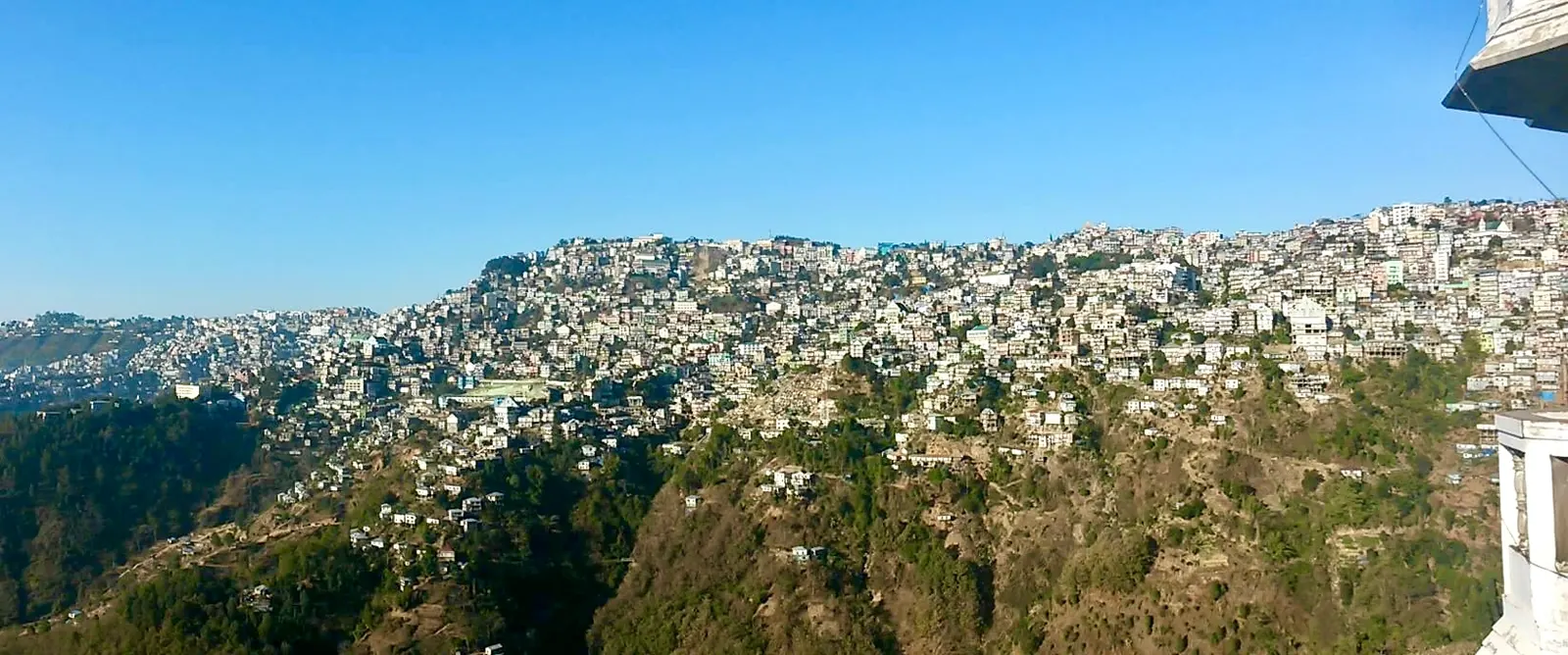
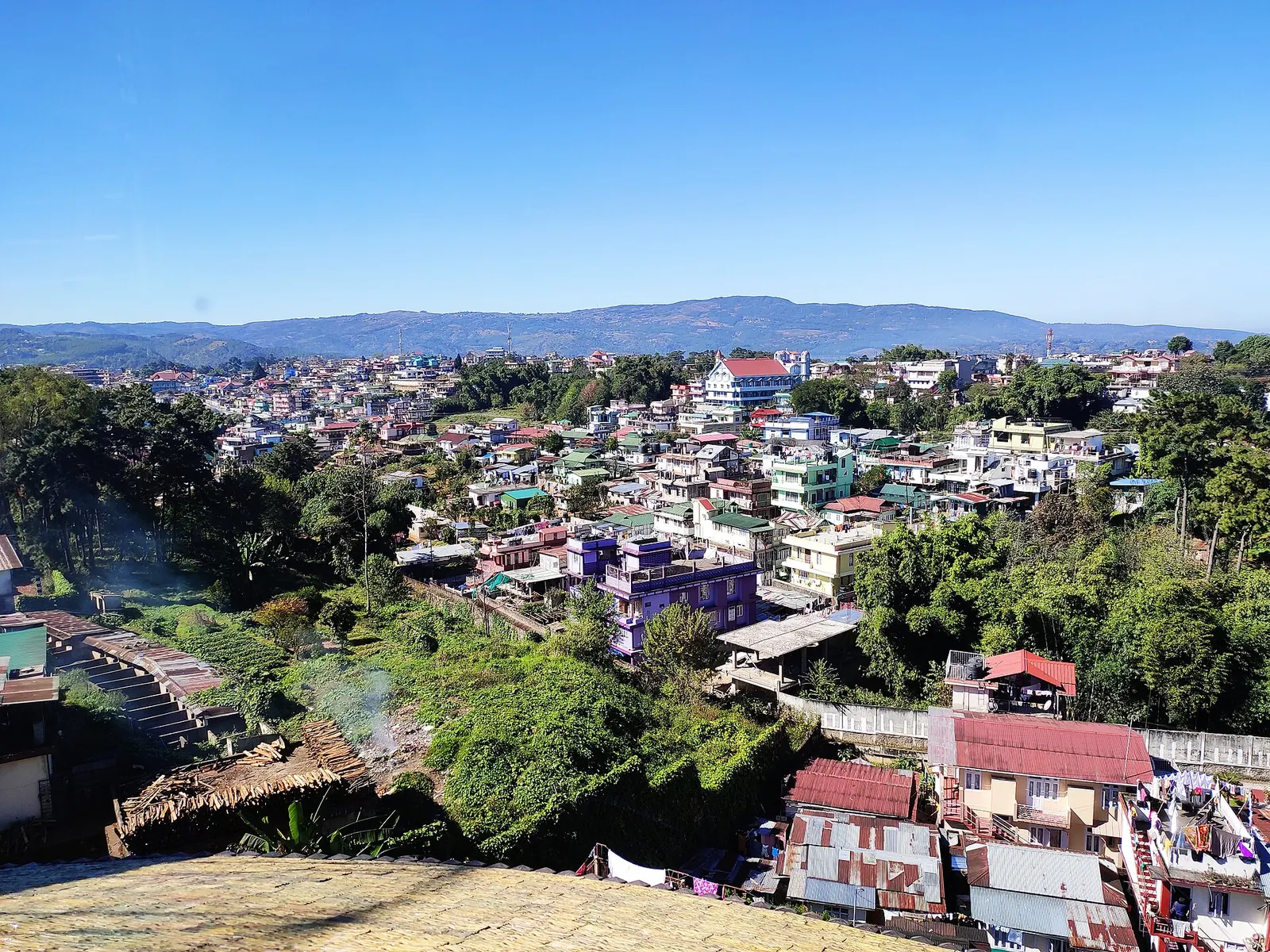
Mizoram, with about 55% in IHDS-2 as reported by IndiaSpend, followed by Meghalaya (46%), Sikkim (38%) and Jammu and Kashmir (35%). At the other end, about 99% of marriages in Madhya Pradesh were within caste, and 98% in Himachal Pradesh and Chhattisgarh.
Hover or tap each state to see its figure.
Map: Inter-caste marriage share by state (IHDS-2, 2011-12)
- Mizoram: 55 % of marriages
- Meghalaya: 46 % of marriages
- Sikkim: 38 % of marriages
- Jammu & Kashmir: 35 % of marriages
- Gujarat: 13 % of marriages
- Himachal Pradesh: 2 % of marriages
- Chhattisgarh: 2 % of marriages
- Madhya Pradesh: 1 % of marriages
See the data as a table
| Inter-caste share (%) | |
|---|---|
| Mizoram | 55 |
| Meghalaya | 46 |
| Sikkim | 38 |
| Jammu and Kashmir | 35 |
| Gujarat | 13 |
| India | 5 |
| Himachal Pradesh | 2 |
| Chhattisgarh | 2 |
| Madhya Pradesh | 1 |
Source: IHDS-2 via IndiaSpend, May 2016 · HP, Chhattisgarh and MP derived from reported same-caste shares of 98%, 98% and 99%.
Why the north-east tops the list
- Different social systems. Mizoram, Meghalaya and much of Sikkim are tribal societies organised by clan and tribe, not by the Hindu jati ladder, so the "same caste" question means something different there.
- Religion. Mizoram is about 87% Christian, and churches there do not enforce caste endogamy the way Hindu families in the plains do.
- Measurement. A survey question built for jati may record marriages between clans or tribes as "inter-caste". Read the north-east figures as real mixing plus a definitional effect.
Why the south is not as open as you might expect
Southern states score well on women's education and income, which usually go with openness. Yet a 2019 study of matrimonial profiles found northern states more open to inter-caste marriage than southern ones once demographics were controlled for, and linked it to strong southern norms of marrying close kin, such as cross-cousins.
Why do Indian families still insist on same-caste marriage?
Because most marriages are still arranged by families, and families still rank caste first. Three pieces of data explain the 5%.
1. Families, not couples, choose
The IHDS brief by Sonalde Desai found only 5% of women chose their husband themselves. Forty per cent said their family decided alone, and 55% said the family decided with their input. Sixty-five per cent first met their husband at or around the wedding.
See the data as a table
| Share of women (%) | |
|---|---|
| Family alone | 40 |
| Family with bride’s input | 55 |
| Bride herself | 5 |
Source: IHDS Research Brief No. 2, Sonalde Desai (NCAER and University of Maryland)
2. You marry into a household, not a person
More than 95% of couples live in an extended family after marriage, and 70% do so for ten years or more. When the bride will live with her in-laws for a decade, the in-laws' view of her caste carries real weight. More in why Indian couples live with parents.
3. Most Indians want it that way
Pew Research Center's 2019-20 survey of 29,999 adults found 64% think it very important to stop women in their community marrying into another caste, and 62% said the same about men. In the central region the figure for men was at least 80%; in the south it was about 35%. Muslims (74% for women) were even more likely than Hindus (64%) to say so.
| Bride's education | Family chose | Family with her input | She chose |
|---|---|---|---|
| None | 56% | 41% | 3% |
| Class 1 to 4 | 38% | 57% | 5% |
| Class 5 to 9 | 35% | 59% | 6% |
| Class 10 to 11 | 23% | 71% | 6% |
| Class 12 and some college | 19% | 74% | 7% |
| College degree | 14% | 77% | 9% |
Read the table across: education moves women from "family decides" to "family decides with my input". It hardly moves them to "I decide". That is why education alone has not raised inter-caste marriage. Educated Indians mostly get a veto, not a free choice.
Are young Indians more open than their parents?
A little, and the gap between saying and doing is large. The best evidence comes from a place where families and young people state their preferences in writing: matrimonial sites.
- 23.9% vs 20.8%: Ashwin Rajadesingan and colleagues analysed 313,308 Hindu profiles on Shaadi.com (2017 onwards). Profiles written by the person were more likely to tick "Caste No Bar" than near-identical profiles written by parents or siblings.
- The default is closed. The site's caste box defaults to not open, so every "Caste No Bar" is an active choice.
- Brahmins least open. Openness ran: already inter-caste, then other forward castes, SC, OBC, ST, and Brahmins last.
- 13.7% in the US vs 22.9% in India: diaspora Indians with matched demographics were far less open, which the authors read as immigrants holding identity tighter.
So roughly one in five Indians looking for a spouse online says caste does not matter. One in twenty marriages actually crosses the line. The rest of the gap is filters, parents and the long list of other things that travel with caste: food, rituals, language and status. For how platforms build that in, see caste filters on matrimonial sites and the wider arranged marriage data.
What happens to couples who do marry across caste?
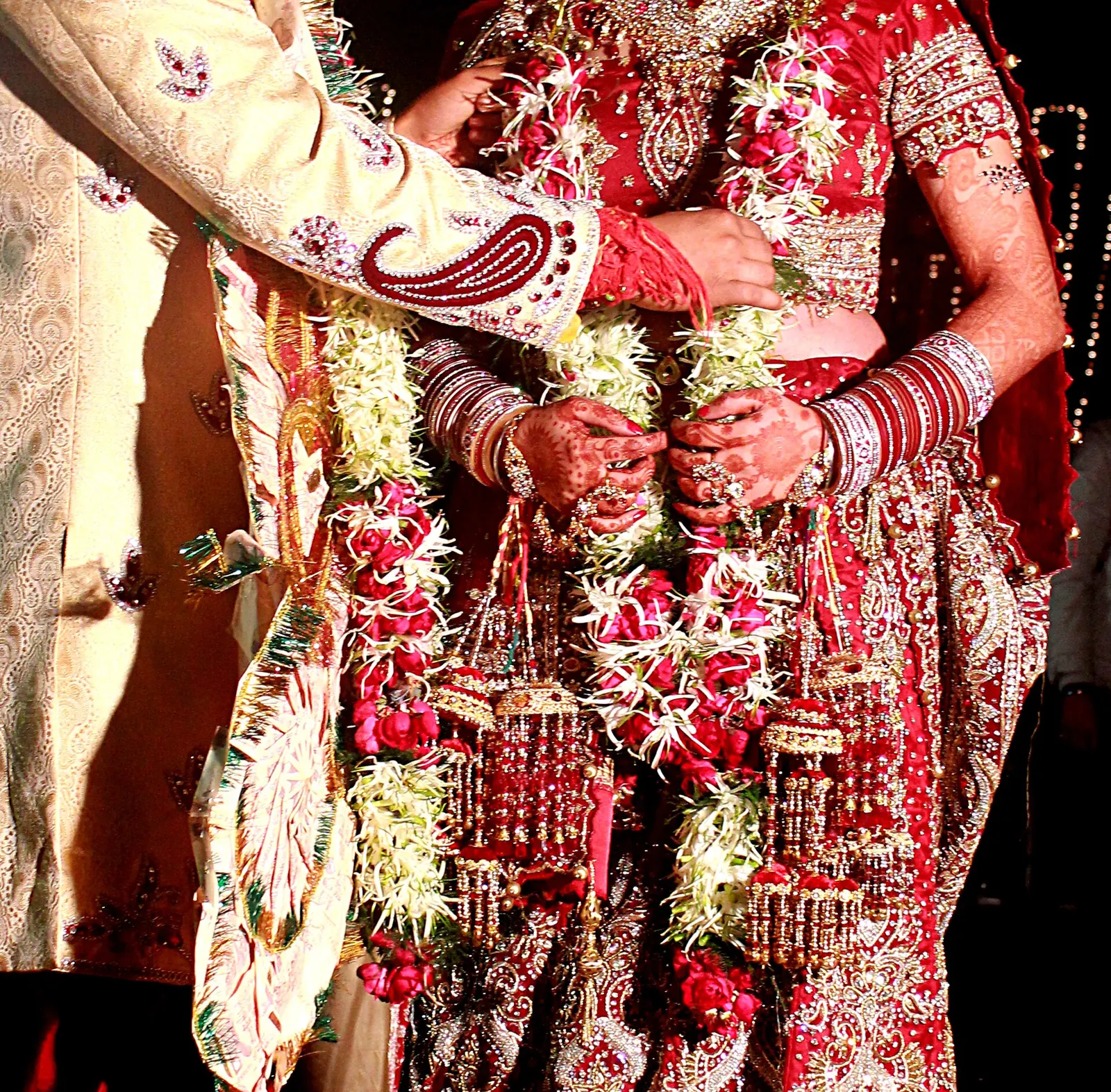
Most live ordinary lives, but a minority face threats, boycott or violence, and the risk is highest where the bride is from a dominant caste and the groom is Dalit. The cases that reach the news follow a pattern.
- Family opposition first, often pressure to annul or separate.
- Community sanction: boycotts or orders to leave the village, sometimes by caste councils.
- Violence in the worst cases. In November 2025 in Nanded, Maharashtra, a young man from the Mahar community was killed, allegedly by his partner's family, who opposed the match; six people were arrested.
The law protects the choice. Adults need no family consent to marry, and the Supreme Court's 2018 Shakti Vahini ruling ordered district special cells and safe houses for threatened couples. The full picture is in why honour killings barely show up in crime data.
Based on 35,145 ever-married women aged 15 to 49 across IHDS-I (2004-05) and IHDS-II (2011-12), a panel of about 42,000 households in 33 states and union territories. Finds 95% of marriages within caste, only 5% of women choosing their own husband, 65% meeting him at or around the wedding, and more education shifting women from no say to a shared say. Limit: a short descriptive brief, and answers recall decisions made years earlier.
Read the brief (free)Collected 411,292 Shaadi.com profiles and analysed 313,308 Hindu profiles in India and the US created from 2017. Used exact matching and logistic regression on the "Caste No Bar" choice. Self-posted profiles were more open than family-posted ones (23.94% vs 20.82%), US profiles less open than matched Indian ones (13.69% vs 22.91%), and Brahmins least open of all groups. Limit: one site's users are urban, online and not representative, and the self-versus-family gap may partly reflect who chooses to write their own profile.
Read the paper (free)Face-to-face survey of 29,999 adults in 2019-20. 64% said stopping women in their community from marrying into another caste is very important (62% for men); about 70% said most or all close friends share their caste. Regional range for men: at least 80% in the central region against about 35% in the south. Limit: stated attitudes, not marriages.
Read the report (free)What's new
- Census 2027 will record every person's caste, the first full count since 1931 ThePrint, Aug 2026
- Nanded killing over an inter-caste relationship; six arrested ThePrint, Dec 2025
- Tamil Nadu parties open their offices for inter-caste weddings ThePrint, Aug 2025
Questions people ask
What percentage of marriages in India are inter-caste?
About 5%, according to IHDS-2 (2011-12), where 95% of married women said their husband's family was of the same caste. Researchers find the share has stayed near 5% for about four decades.
Which state has the most inter-caste marriages?
Mizoram, at about 55% in IHDS-2, then Meghalaya (46%), Sikkim (38%) and Jammu and Kashmir (35%). Madhya Pradesh is lowest at about 1%.
Is inter-caste marriage legal in India?
Yes. Adults can marry across caste without family consent, under their personal law or the Special Marriage Act, and the Supreme Court has held that caste councils cannot interfere.
Why are inter-caste marriages so rare in India?
Because most marriages are arranged by families who rank caste first: only 5% of women chose their husband themselves, most couples live with the groom's family, and 64% of Indians tell Pew that stopping out-caste marriage for women is very important.
Does the 2027 Census count inter-caste marriages?
Not directly. It records each person's caste through an open-ended question, so researchers may be able to compare spouses' castes within households once the data is released.
Sources
- IHDS Research Brief No. 2: Marriage is a family affair, Sonalde Desai (2016; source for 95%, 5%, 65% and the education table)
- IndiaSpend: 5% of Indian marriages inter-caste, in Mizoram 55% (2016; state shares, survey question, 27% and 36%)
- ThePrint: Educate moms-in-law if you want to change arranged marriages (on Roy Chaudhuri, Ray and Sahai, ISI) (2018; 40-year trend and 1.86 points)
- Rajadesingan, Mahalingam and Jurgens: Smart, Responsible, and Upper Caste Only, ICWSM (2019)
- Pew Research Center: Attitudes about caste (2021)
- Wikipedia: Savita Ambedkar (story details)
- India Human Development Survey (survey design)
- ThePrint: Census 2027 caste question notified (2026)
- ThePrint: Nanded killing over inter-caste relationship (2025)
- ThePrint: TN parties open offices for inter-caste couples (2025)

Sapta (Saptarshi Sarkar) is a mechanical engineer turned marketer in Bengaluru and a solo touring rider. He writes the seven Saptaverse blogs. Work with him or read more of Whyblog.