
An Iron Butt SaddleSore 1000 means riding at least 1,000 miles (1,609 km) inside 24 hours of wall-clock time, proven by timestamped fuel receipts, a log and two witnesses. That is an overall average of 67 km/h including every stop, which on Indian highways is close to the realistic moving average itself. So the ride is won or lost on stop discipline and sleep before the start, not on top speed. A 1,000 km day is far more forgiving and is the sensible first step.
- 1,609 km in 24 hours of wall time is the SaddleSore 1000 bar, proven by printed fuel receipts and two witnesses.
- 67 km/h overall, stops included, is the average you need: about what Indian highways allow while moving.
- About 2.5 hours is all the stop time left in a day at a 75 km/h moving average.
- 5.6 times the injury-crash risk when riding between 2 and 5 am (Connor et al., BMJ, 2002).
- A logged 1,000 km day is the honest first test; under about 67 km/h overall (1,609 km in 24 hours), a legal SaddleSore on that route is off.
The Iron Butt Association (IBA) is a US-based group that certifies long-distance rides worldwide. Its entry ride, the SaddleSore 1000, is the badge most Indian long-distance riders talk about.
This post is for riders who have already done 600 to 800 km days and want to know whether 1,000 km or 1,609 km is sensible, what the IBA wants as proof, and where fatigue research says the danger sits. I use my own logged Bengaluru to Kolkata run as a worked example of real Indian numbers.
What are the Iron Butt SaddleSore 1000 rules?
The SaddleSore 1000 rule is simple to state: at least 1,000 miles within 24 hours, where the 24 hours is wall time, not riding time. The proof is what takes care. The IBA does not need pre-registration, and it says most riders finish in about 18 to 20 hours.
| Requirement | What the IBA asks for | What it means in India |
|---|---|---|
| Distance and time | 1,000 miles (1,609 km) in 24 h wall time | Plan 1,650 to 1,700 km so map-measured distance clears the bar |
| Start proof | Computer-printed receipt (preferably fuel) with date, time and place, plus a start witness | Ask for a printed bill at the pump, not a UPI screenshot |
| End proof | Computer-printed fuel receipt with legible place, date and time, plus an end witness | Same: a printed fuel bill sets the official finish time |
| Route proof | A receipt at every corner or turnaround; fuel at least once every 300 miles (483 km) | Keep every fuel bill; on an out-and-back, get a detailed bill at the turn |
| Log | Date, time, place and odometer for each fuel stop; log any stop over 30 minutes | A notebook in the tank bag, or notes on the phone at each stop |
| Witnesses | Not on the ride; may be audited by the IBA | A friend or pump attendant who will answer an email later |
| Distance check | Verified by mapping, because odometers can read about 4% high | Do not trust the trip meter to tell you that you have finished |
| Upper limit | Rides over 1,800 miles in 24 h are not published | Not a concern on Indian roads |
What comes after the SaddleSore?
The next step up, the Bun Burner 1500, is 1,500 miles (2,414 km) inside 36 hours, and you can claim both on one trip.
The IBA's guidance is explicit that it does not condone speeding, riding while fatigued or using stimulants, and violations can lead to refusal of certification. It also says it will not certify rides where the speed limits are too low to support the required average, which matters in India.

Is a SaddleSore 1000 realistic on Indian roads?
It is realistic only on a long divided highway, with very short stops and a start that keeps the 2 to 5 am window out of the ride. The arithmetic is unforgiving: 1,609 km in 24 hours is 67 km/h overall.
Two-wheeler speed limits are set by state notification and road type and, in the state limits tabulated on Wikipedia, mostly sit between about 40 and 60 km/h (Delhi allows up to 70), and many access-controlled expressways bar two-wheelers altogether. Towns, toll plazas, cattle and trucks pull your moving average down further.
On 3 May 1914, Erwin Baker left San Diego on a two-speed Indian motorcycle, bound for New York. Most roads across the American West were rutted dirt tracks: by the commonly repeated count, only about 4 of his 3,379 miles (about 5,440 km) were paved, and about 68 were ridden along railway tracks. His route ran through Phoenix, Albuquerque, Santa Fe, La Junta, Topeka and Indianapolis.
He reached New York on 15 May. Newspapers gave his time as either 11 days 11 hours 10 minutes or 11 days 12 hours 10 minutes, roughly nine days faster than the previous transcontinental record. A New York writer compared him to the Illinois Central's Cannonball Express train, and he was "Cannon Ball" Baker from then on. Spread over the whole run, the ride that made him famous averaged under 480 km a day. The SaddleSore asks for 1,609 km in one.
Riding Vintage: Erwin Baker and the origins of the CannonballMy own number for Indian roads comes from my November 2025 Bengaluru–Kolkata run on NH16: about 2,000 km with 26 h 42 min of riding, a moving average of about 75 km/h.
What does that moving average mean for a SaddleSore?
Now apply that moving average to the SaddleSore. At 75 km/h, 1,609 km takes 21.5 hours of pure riding. That leaves about 2.5 hours for every fuel stop, meal, toilet break and receipt in a whole day.
On a small-tank bike that needs six or seven fuel stops, that is only just enough. With six or seven stops of 15 to 20 minutes, a SaddleSore in India needs a moving average of about 72 to 74 km/h, right at the edge of what I held on NH16, and that pushes against the very speed limits the IBA asks you to respect. A 1,000 km day, by contrast, at 75 km/h moving is 13.4 hours of riding, which leaves room for proper rest.
Calculated in this post from the IBA rule of 1,000 miles (1,609 km) in 24 hours and the stop plan in this post of six or seven stops of 15 to 20 minutes: 1,609 km over 21.7 to 22.5 hours of riding.
Plan your long day: riding time, stops and finish
When is fatigue most dangerous on a long ride?
Fatigue risk peaks in the early hours: drivers on the road between 2 and 5 am had 5.6 times the risk of an injury crash in a New Zealand case-control study, and UK police data show sleep-related crashes clustering around 2 am, 6 am and 4 pm. The 4 pm peak is the one long-distance riders forget, because it arrives after ten hours in the saddle.
The ride is won or lost on stop discipline and sleep before the start, not on top speed.
What the two studies found
In the Auckland region (1998 to 1999), 571 drivers in crashes where someone was hospitalised or killed were compared with 588 drivers stopped at random on the road. After adjusting for confounders, drivers who rated themselves sleepy had an odds ratio of 8.2 for an injury crash, drivers with five hours of sleep or less in the previous 24 hours had 2.7, and driving between 2 and 5 am carried 5.6. About 19% of injury crashes were attributable to acute sleepiness. Chronic sleepiness did not raise risk; acute sleep loss did. The limit: these were car drivers, and riders face extra workload from balance and weather.
Read the paper (free)See the data as a table
| Odds ratio vs. baseline (×) | |
|---|---|
| Felt sleepy (Stanford score 4-7) | 8.2 |
| Driving between 2 and 5 am | 5.6 |
| 5 hours of sleep or less in 24 h | 2.7 |
Source: Connor et al., BMJ 2002 (Auckland case-control study) · Baseline is not sleepy, other times of day, and more than 5 hours of sleep respectively.
Using police databases and roadside interviews in southwest England and the Midlands, the authors identified 679 crashes where falling asleep was the most likely cause. These made up 16% of police-attended crashes on major roads in the southwest and over 20% on Midlands motorways. Over the 24-hour cycle they found three peaks, at about 2 am, 6 am and 4 pm, and noted that monotonous roads were over-represented. The limit: there was no exposure data by time of day, so the peaks mix risk with traffic volume.
Read the paper (free)What Indian crash timing adds
Indian crash timing points the same way from another angle. NCRB recorded 20.7% of India's 2023 road accidents between 6 and 9 pm, 17.3% between 3 and 6 pm and 15% between noon and 3 pm. The afternoon and evening blocks are when a long-day rider is most tired and the roads are busiest at the same time.
| Time block | Share of 2023 road accidents (NCRB) | Fatigue science | Long-day plan |
|---|---|---|---|
| 12:00 to 15:00 | 15.0% | Post-lunch dip | Light lunch, 20-minute nap |
| 15:00 to 18:00 | 17.3% | 4 pm sleep-crash peak (Horne and Reyner) | Short stints, caffeine if you use it |
| 18:00 to 21:00 | 20.7% | Fatigue builds after 12+ hours awake | Finish before dark if possible |
| 02:00 to 05:00 | n/a in this summary | Odds ratio 5.6 (Connor et al.) | Never ride this window on a long day |
Read the table as one rule: never plan a long day that rides through 2 to 5 am, and expect the hardest hours to be the last ones.
How should you structure a 1,000 km day?
Start rested and early, ride in stints of about two to two and a half hours, and stop the day when the plan says stop rather than when you feel finished. A 1,000 km day at a 75 km/h moving average with four 20-minute stops comes to about 14.7 hours elapsed. A 4:30 am start therefore ends at about 7:10 pm.
- Sleep first. Get at least seven hours on the night before. Connor's data put five hours or less at 2.7 times the risk, and that compounds with time of day.
- Pick the route for flow. A divided national highway with bypasses around cities. India's national highways carried 36.5% of 2023 road deaths, so "fast road" is not "safe road": what you want is fewer towns and fewer turning conflicts.
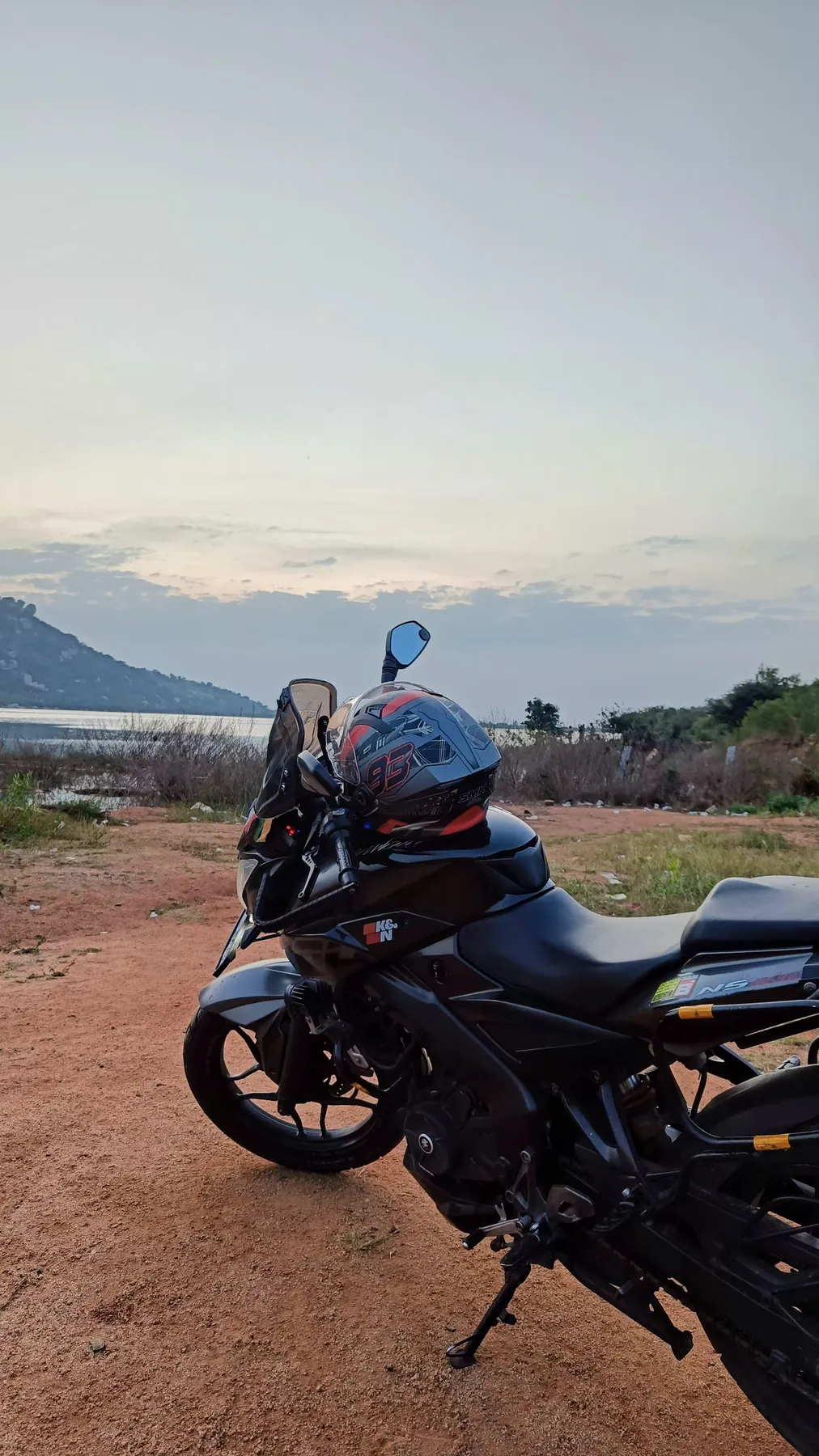
- Fix the stop cadence. I use about 250 km between stops on the NS200. Fuel range sets the ceiling; my fuel range planning guide shows how to set it with margin.
- Keep stops short and complete. Fuel, receipt, water, toilet, stretch, check the chain and tyres: one stop, all tasks, 15 to 20 minutes.
- Eat small. Heavy lunches feed the afternoon dip. Skip the big thali at the dhaba and graze on fruit, nuts and salted snacks.
- Set a hard stop. Decide your bail-out towns at 600, 750 and 900 km before you leave, and honour them if you yawn twice in a stint.

Which Indian routes suit a 1,000 km day or a SaddleSore attempt?
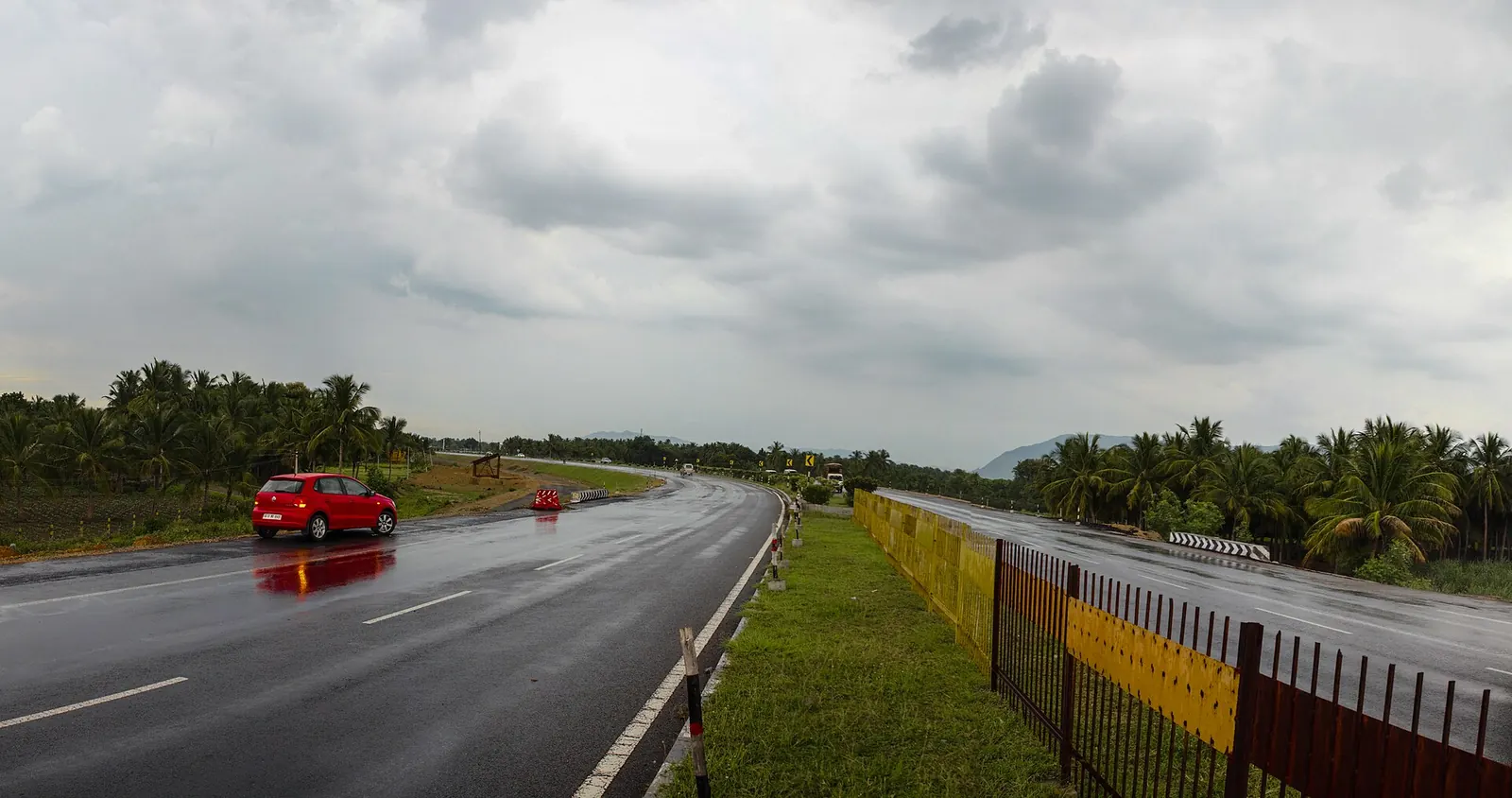
The best candidates are long, mostly divided national highways that avoid big-city cores. NH16 down the east coast, NH44 through the Deccan and NH48 on the west are the obvious ones, and my list of the longest national highways in India gives their lengths. Avoid ghats and hill sections on a long-day attempt; average speeds there collapse.
| Route idea | Why it works | Watch out for |
|---|---|---|
| Bengaluru to Visakhapatnam on NH16 (my 2025 route) | Long divided stretches through coastal Andhra, frequent fuel | Vijayawada and Visakhapatnam city traffic; crosswinds near the coast |
| A straight point-to-point on NH44 | Single highway, simple documentation | Heavy truck traffic, heat in April to June |
| An out-and-back on one divided highway | Known pumps, known road | Needs a detailed receipt at the turnaround; repetitive routes may be rejected |
Season matters as much as route. In April to June the plains can sit above 40°C for hours, which I cover in riding in an Indian heatwave. November to February is the long-day season for most of peninsular India, and my Bengaluru to Kolkata run was in November for that reason.
What should the bike and rider carry for a 1,600 km day?
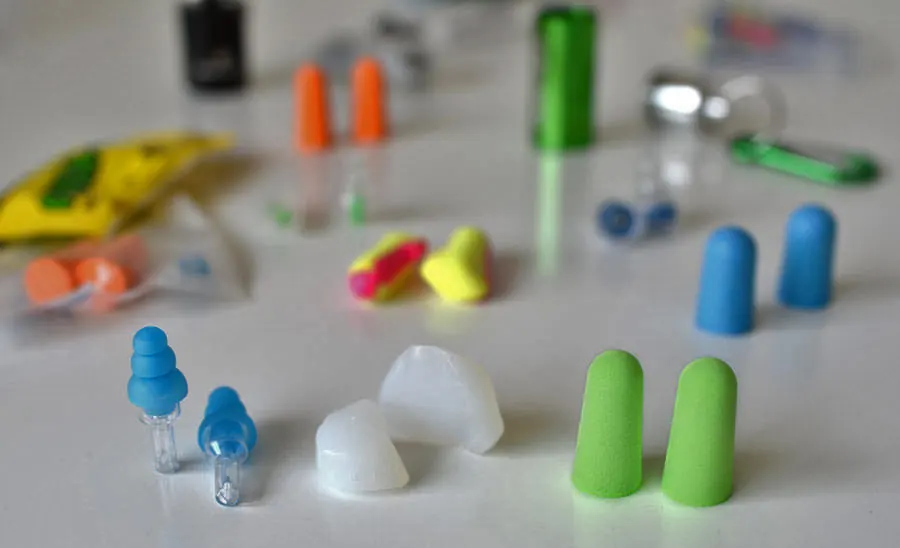
Bring kit that removes reasons to stop or to suffer: comfort and visibility first, then documentation. The extras below are about endurance, not luggage.
- Seat: a gel or air seat pad and padded riding shorts. Seat pain is the most common reason long-day attempts end early.
- Hearing: foam or reusable earplugs; wind noise at highway speed is tiring in itself.
- Hydration: a bladder you can sip on the move, so stops are for fuel, not just water.
- Visibility: a high-visibility vest or reflective panels for the dawn and dusk hours.
- Documentation: a small notebook, pen and a zip pouch for receipts; a phone app that records a GPS track as backup evidence.
- Bike: fresh chain adjustment, tyres at correct pressure, and lights checked. Long highway runs heat the chain and tyres more than city riding.
For riding alone over this kind of distance, my solo touring safety plan covers tracking and check-ins, and the gear page lists what I actually ride with.

How do you document and submit the ride?
Make copies of everything and send the copies, never the originals. The IBA's checklist is: a fuel log, copies of every receipt, the start and end witness forms, a map with the route marked (a shared Google Maps route is fine), and anything else that proves the distance, such as a GPS track. Put your name on every sheet. The IBA says processing takes at least two to three months.
Two India-specific tips
Two India-specific tips. First, many pumps now default to digital payment with no printed bill; ask for the printed bill every time, because a receipt without a time stamp cannot set your start or finish. Second, get the witness's email address and phone number on the form, since the IBA can audit, and a witness who does not reply is treated as no witness.
What's new
- MoRTH Road Accidents in India 2023: 1.72 lakh deaths; over-speeding behind 68.1% of deaths tied to traffic-rule violations The Week (PTI), Aug 2025
- NCRB 2023: 6 to 9 pm is the peak window for road accidents Millennium Post, Oct 2025
- Iron Butt Association SaddleSore 1000 guidelines (current rules page) Iron Butt Association, 2026
Questions people ask
How long does a SaddleSore 1000 take?
The IBA says most riders finish in about 18 to 20 hours, but that reflects US interstate speeds. On Indian highways, with moving averages near 70 km/h, expect to need nearly the full 24 hours, which leaves very little stop time.
Can I do an Iron Butt ride from India?
Yes. The IBA certifies rides worldwide and needs no pre-registration. Its witness forms take kilometres as well as miles, and riders outside the US and Canada can ask about payment options. Distance is verified in miles, so plan at least 1,609 km of map distance.
Is 1,000 km in a day safe on a 200 cc bike?
The bike can do it; the question is the rider. My NS200 has done several 800 to 1,000 km days. The limits are seat comfort, fuel range and fatigue, so plan short, frequent stops and finish before dark.
Should I ride through the night to beat traffic?
No. Connor's study put the 2 to 5 am window at 5.6 times the injury-crash risk, and Horne and Reyner found a sleep-crash peak around 2 am. Start at dawn instead.
Sources
- Iron Butt Association: SaddleSore 1000 rules and guidelines
- Connor J et al.: Driver sleepiness and risk of serious injury to car occupants, BMJ (2002)
- Horne JA, Reyner LA: Sleep related vehicle accidents, BMJ (1995)
- The Week (PTI): 1.72 lakh people died in 4.80 lakh road accidents in 2023, MoRTH report (2025)
- ThePrint: 20 lives lost in road accidents every hour in 2023 (2024)
- Millennium Post: NCRB data on 2023 road accidents by time of day (2025)
- Speed limits in India: state limits for motorcycles
- Saptaverse: Bengaluru to Kolkata by bike, about 2,000 km on NH16 in 2 days (the author's logged ride) (2025)
- Riding Vintage: Erwin Baker and the origins of the Cannonball (2013) (source for the story)

Sapta (Saptarshi Sarkar) is a mechanical engineer turned marketer in Bengaluru and a solo touring rider. He writes the seven Saptaverse blogs. Work with him or read more of RoadHook Rides.


