The DJI Osmo Action 4 is a very good motorcycle POV camera: a 1/1.3-inch sensor, 155° lens, 10-bit D-Log M colour and strong electronic stabilisation in a 145 g, 18 m waterproof body. It needs three things from you to work on a bike: a body or helmet-chin mount rather than a bare handlebar, a separate microphone for any speech above city speeds, and spare batteries kept warm on cold mornings.
- 1/1.3-inch sensor, f/2.8, 155° field of view, 4K up to 120 fps and a maximum bitrate of 130 Mbps (DJI specs).
- 10-bit D-Log M works only with the HEVC codec: more grading room, heavier files to edit.
- 160 minutes of 1080p/24 recording at 25°C and up to 150 minutes at -20°C, in DJI's lab conditions.
- 84 dB(A) at 70 km/h inside a helmet in one study: an action camera's own mics can't beat that wind.
- Kerala's MVD has said helmet-mounted cameras can cost a ₹1,000 fine and licence action; chest and bike mounts avoid the issue.
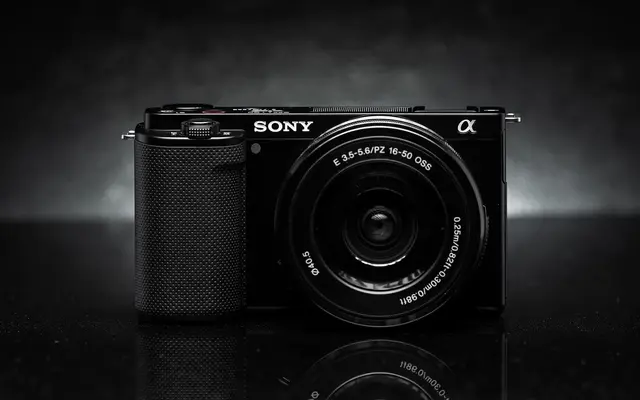
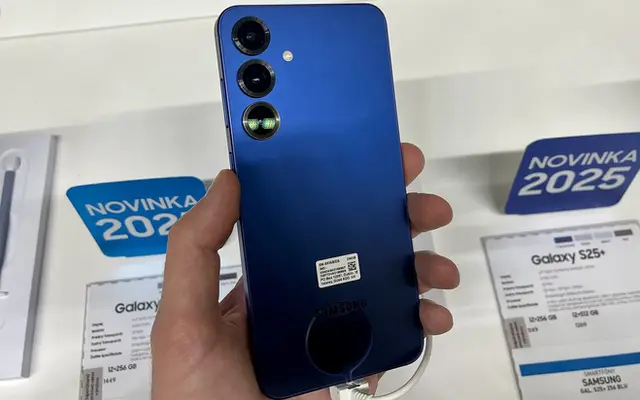
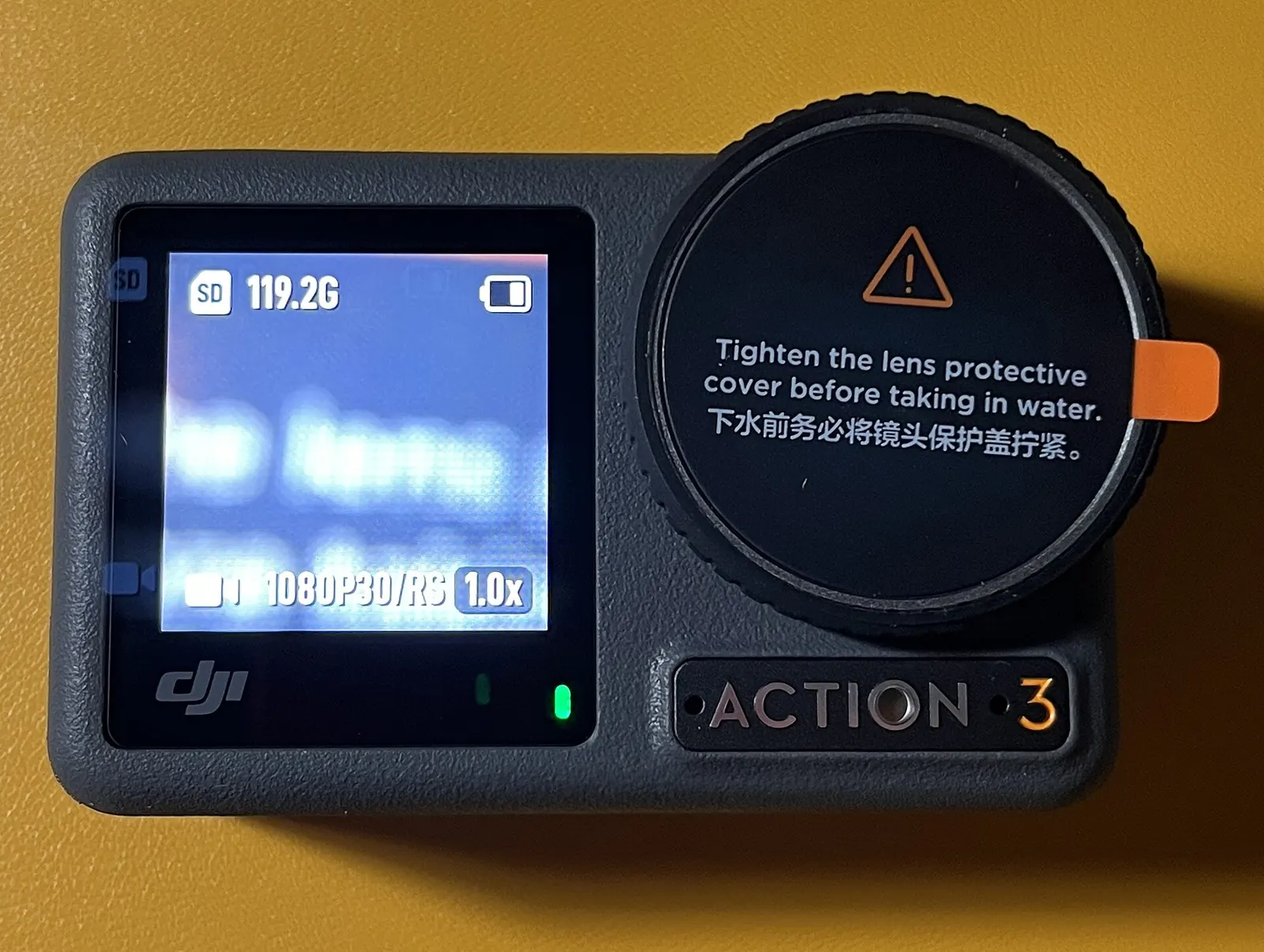
I own an Osmo Action 4, and in my kit it does one job: POV and dynamic footage. The Sony ZV-E10 takes the deliberate cinematic shots, and my Samsung Galaxy S25+ adds extra coverage. This review is about what the Action 4 needs to do that job well on a motorcycle, from mount to edit.
It isn't my only Osmo: an older first-generation Osmo Action rides along too. Both cameras came with me on the NS200 for the whole Sikkim ride in November 2025, about 20 days from Bengaluru to East Sikkim and back, and both held up really well.
In August 2022, Kerala's Motor Vehicle Department circulated an internal instruction that startled the state's motovloggers. Riders found with a camera mounted on their helmet could be fined ₹1,000 and have their licence cancelled for three months. The department's reason was safety: a camera bolted to the shell, it argued, weakens the helmet's structure in a crash, and it cited Michael Schumacher's 2013 skiing accident, where a helmet camera was blamed.
Action-camera makers answered that their mounts are designed to snap off on impact, and helmet makers said they advise against attaching anything at all. The circular left riders a way out: cameras on the motorcycle fairing or on riding gear were not covered, though at their own risk. For anyone filming Indian roads, it is a reminder that mounting is a legal question as well as a framing one.
ZigWheels: Kerala Motor Vehicle Department to ban helmet cameras (Aug 2022)What do you get in the DJI Osmo Action 4?
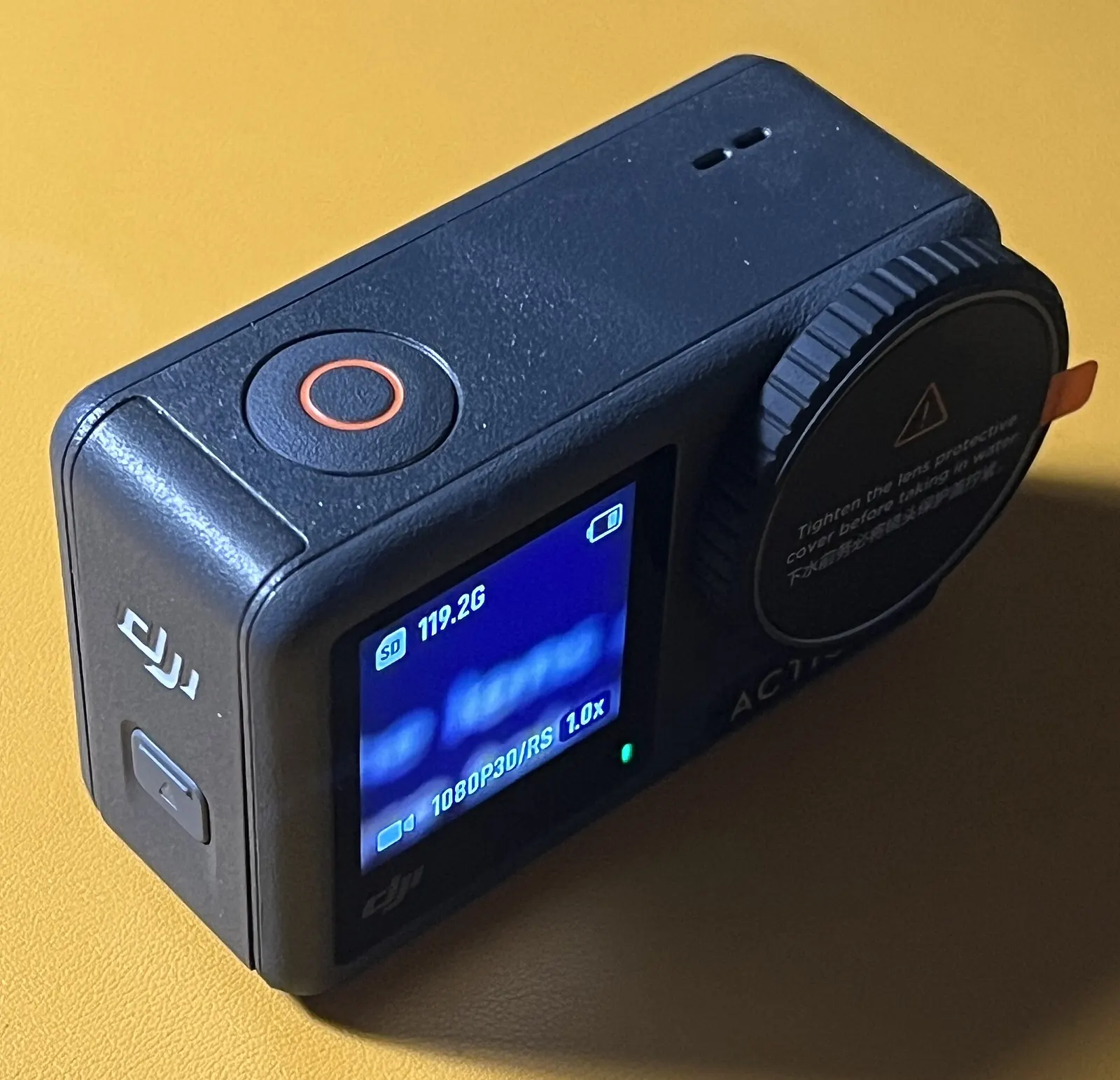
The Osmo Action 4 pairs a 1/1.3-inch CMOS sensor with a 155° f/2.8 lens and records up to 4K at 120 fps. DJI launched it on 2 August 2023, and every number below is from DJI's own specification page or launch press release.
| Spec | Osmo Action 4 | What it means on a ride |
|---|---|---|
| Sensor | 1/1.3-inch CMOS, 2.4 μm-equivalent pixels | Cleaner dusk and tunnel footage than 1/2.3-inch cameras |
| Lens | 155° FOV, f/2.8, focus 0.4 m to infinity | Bars, tank and road all in frame |
| Video | 4K (4:3 and 16:9) to 60 fps; 4K 16:9 to 120 fps; 1080p to 240 fps | 4:3 lets you crop both 16:9 and vertical Reels |
| Colour | 10-bit D-Log M (HEVC only) | Skies and shadows survive a grade |
| Bitrate | Up to 130 Mbps, MP4 (H.264 or HEVC) | About 1 hour per 64 GB at the top rate |
| Stabilisation | RockSteady 3.0/3.0+, HorizonBalancing, 360° HorizonSteady | Level horizon through corners |
| Battery | 1,770 mAh (6.8 Wh); 160 min at 25°C, 150 min at -20°C | Lab figures at 1080p/24 with screen and Wi-Fi off |
| Charging | 80% in 18 minutes with a 30 W charger | A tea stop refills most of a battery |
| Body | 70.5 × 44.2 × 32.8 mm, 145 g, 18 m waterproof (60 m with case) | Rain is a non-issue |
| Operating range | -20°C to 45°C; charging 5°C to 40°C | Don't charge it frozen |
The sensor and the 10-bit mode are the reasons to choose it over an older or cheaper action camera. At launch DJI priced the Standard Combo at £379 and the Adventure Combo, with three batteries, a battery case and an extension rod, at £469. Indian retail prices move a lot, so compare current listings before buying.
Where should you mount the Osmo Action 4 on a motorcycle?
On your body or the helmet chin, not on a bare handlebar. The handlebar is where vibration is worst, and in Kerala the helmet is where the law has looked hardest. Each position trades view, smoothness and risk.
| Mount | DJI accessory | Strength | Weakness |
|---|---|---|---|
| Helmet chin | Helmet Chin Mount | Eye-level view that turns with your head | Wind on the mics; legal risk in Kerala |
| Chest | Chest Strap Mount | Smooth, shows controls and tank | Low angle; a tall windscreen or tank bag blocks the view |
| Handlebar | Mini Handlebar Mount (8-35 mm bars) | Fixed, faces road or rider | Engine and road vibration go straight in |
| Body or frame | Adhesive bases, extension rod | Cinematic third-person shots | Exposed to stones; needs a tether |
Why the handlebar is the worst place
A 2019 study of a 599 cc touring motorcycle measured unweighted vibration of up to 119.5 m/s² at the handlebars and footrests, against at most 28.8 m/s² at the seat. Your arms and torso act as a suspension; a bracket on the bar has none. Electronic stabilisation can steady low-frequency shake, but high-frequency buzz shows up as jello in the picture.
What I use: the helmet mount
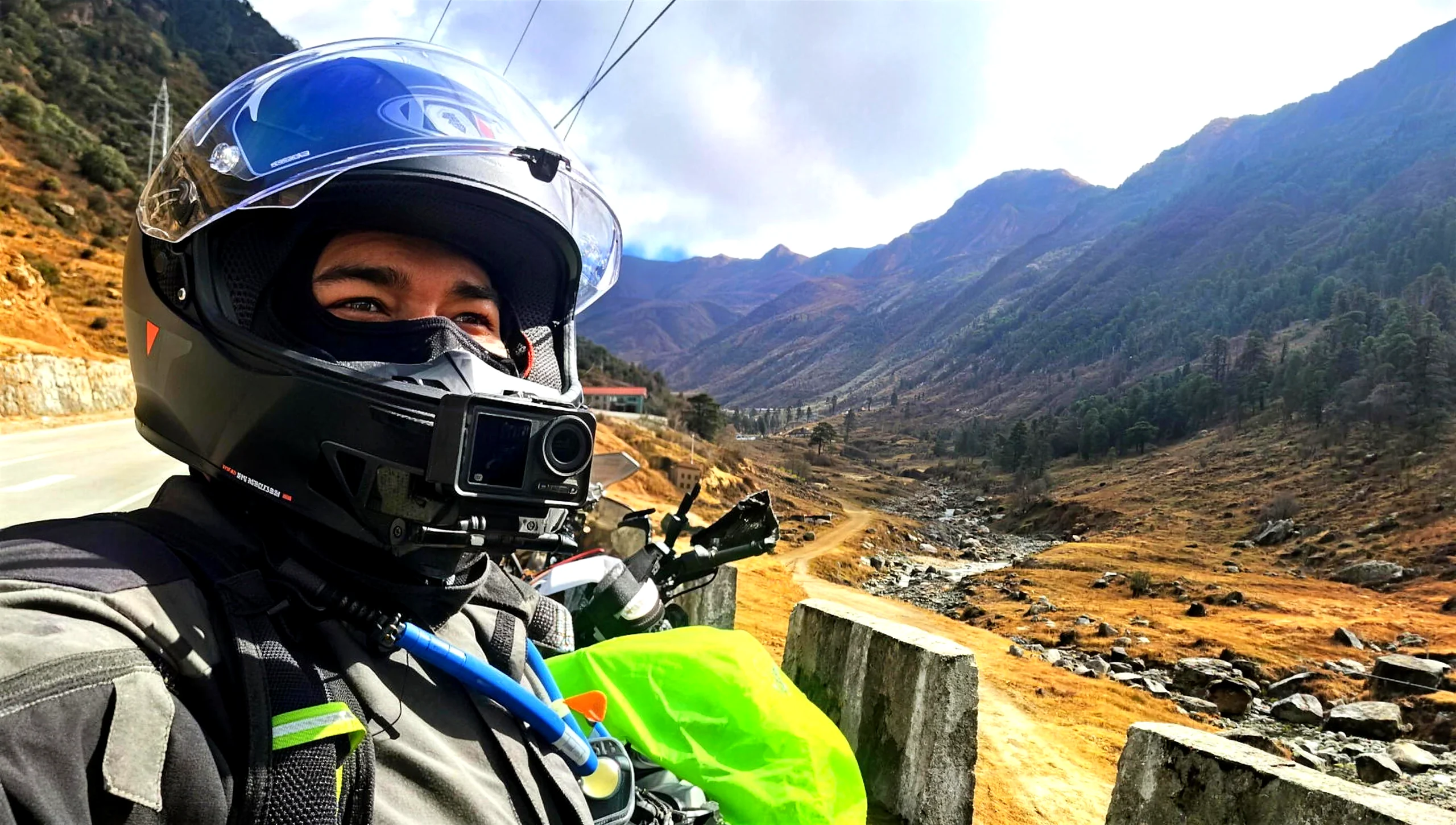
My most-used mount is the helmet mount. I tried a chest mount, and on a bike with a tall windscreen the screen sits right in its view and blocks the road. A chest mount makes sense on a sports or naked bike; on anything with a tall windshield, it doesn't.
Bar mounts are the other way to go wrong. Handlebar vibration breaks holders and makes the footage feel slightly jittery. That's fine for a short action moment, but for long clips it only works on a bike with very smooth bars. I'd rather keep the camera on my body, where my body damps the vibration. Check your state's rules before you put it on a helmet; the Kerala story above is why.
How do you get usable audio at speed?
Use a separate microphone inside the helmet or on your jacket. The Action 4 has three microphones, but at highway speed the wind roar outside the helmet swamps speech.
The authors put binaural microphones under a rider's helmet at the ear canal and accelerometers at the grip, footrest and seat of a 599 cc, 57 kW touring motorcycle, at steady 50, 70, 90 and 110 km/h. A-weighted noise at the ear passed 84 dB(A) at 70 km/h, with maxima above 94 dB(A); unweighted levels ran from about 98 dB to nearly 119 dB as speed rose.
Handlebar vibration exceeded the EU daily exposure limit in every test. Limit: one bike, one rider, one straight road, and the paper does not separate wind noise from engine noise.
Read the paper (free)If it is that loud inside the helmet, a camera mic on the outside, facing 80-100 km/h of air, has no chance with speech. A fairing, a tall screen and a closed visor all reduce the air hitting the camera, but none of them make it a voice mic.
- Voice: a wireless mic that records on its own track. I use a DJI Mic Mini with two transmitters.
- Bike sound: leave the camera's own mics on for engine and ambience; they do that job well.
- Sync: clap once on camera at the start of each clip so voice and video line up in the edit.
Where the transmitter goes matters more than which mic you buy. I use one of two places:
- Inside the helmet, when I want to talk on camera.
- Inside my back pocket, not covered by the T-shirt. A covering T-shirt flaps in the wind, and the mic records every flap.
Which settings work best for motorcycle POV on the Osmo Action 4?
Shoot 4K 4:3 at 30 or 60 fps with RockSteady for riding footage, and switch to D-Log M only when you plan to grade. I edit on a 2K/1440p timeline and use 4K only when it helps; with action footage it helps, because the extra pixels let you reframe and stabilise without going soft.
| Situation | Mode | Why |
|---|---|---|
| Everyday riding POV | 4K 4:3, 30 or 60 fps, RockSteady 3.0 | Tall frame crops to 16:9 and 9:16 |
| Twisty roads, ghats | 2.7K or 4K 16:9, 60 fps or below, HorizonBalancing | Keeps the horizon level through lean |
| Extreme tilt | 1080p or 2.7K 16:9, 360° HorizonSteady | Full horizon lock, with more crop |
| Slow-motion pass-by | 4K 16:9 at 120 fps or 1080p at 240 fps | EIS is off in slow motion; mount it solidly |
| Grading planned | 10-bit D-Log M, HEVC | More colour room; heavier to edit |
Shutter and ND filters
In bright sun the camera picks very fast shutter speeds, which makes each frame sharp but motion look choppy. A shutter around double the frame rate keeps the natural blur that hides small shakes; in daylight that needs an ND filter. I carry ND16-64 and CPL filters in my kit. The shutter speed chart for moving subjects has the numbers, and white balance explained covers why you lock it for a series.
Why I shoot normal colour, not D-Log M
I shoot the normal colour profile. In my view, log only pays off for cinematic, cinema-grade work. I want poppy colours and a quick turnaround, and I'm not a cinematographer. I've tested log a lot and haven't seen a benefit for my films, though AI-assisted grading may change that. On the Sikkim ride, my Action 4 files are normal colour throughout: 2.7K 10-bit HEVC on the first days, then 4K H.264.
If you do want to try D-Log M, pick the shots where it earns its keep:
- Sunrise and sunset into the light, where a bright sky and a dark road share the frame.
- Snow and white cloud, which clip easily in a contrasty profile.
- Forest shade with sunlit gaps, and tunnel exits.
- Hero sequences you will grade by hand, not the hours of riding filler.
How long does the battery last on a cold ride?
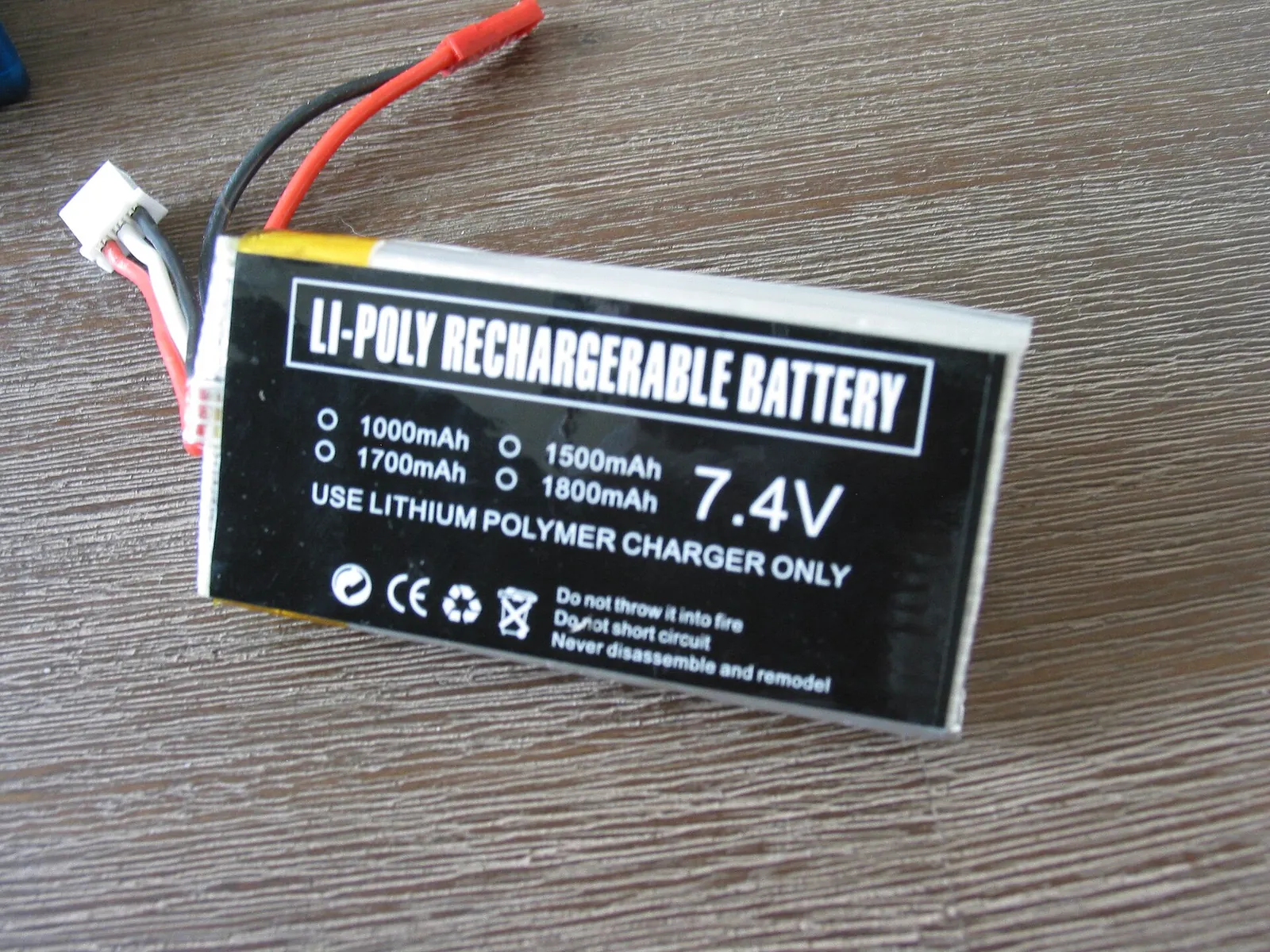
DJI rates one battery at 160 minutes at 25°C and up to 150 minutes at -20°C, both at 1080p/24 with the screen and Wi-Fi off. Real riding, at 4K with the screen on, will be shorter; DJI publishes no 4K runtime.
Cold slows the chemistry inside any lithium-ion cell, so the practical rule is to keep the spares warm, not just charged. The research below shows how much insulation alone can recover.
See the data as a table
| Discharge capacity at 2C (mAh) | |
|---|---|
| No insulation | 1097 |
| 5 mm insulation | 1162 |
| 10 mm insulation | 1179 |
| 15 mm insulation | 1172 |
Source: Ouyang et al., RSC Advances (2019) · 1,300 mAh Samsung 18650 NMC cell, single 2C discharge at 0°C ambient.
The team cycled 1,300 mAh 18650 cells at 0°C and 20°C at 1C, 2C and 3C, then wrapped cells in 5, 10 and 15 mm of an insulating material. At 0°C, capacity faded by 0.046-0.074% per cycle, faster at higher currents. Ten millimetres of insulation raised the cell's peak discharge temperature from 10.4°C to 17.3°C and its capacity from 1,097 to 1,179 mAh, about 7.5% more.
Limit: only 0°C and 20°C were tested, on a different cell format from the Action 4's battery. The direction holds; the exact numbers won't transfer.
Read the paper (free)- Carry spares in an inner jacket pocket, against your body, not in a tank bag.
- Don't charge a frozen battery: DJI's charging range starts at 5°C.
- Turn the screen off and use voice or the remote; the screen is a big drain.
- Fast-charge at stops: 80% in 18 minutes needs DJI's 30 W charger or similar.
On my Sikkim ride, both Osmos went through East Sikkim, past Baba Mandir at about 4,120 m and up to Nathang Valley, and they held up really well for the whole trip.
How much storage do you need for a riding day?
At the Action 4's top bitrate of 130 Mbps, a 64 GB card holds about 65 minutes. DJI supports microSD cards up to 512 GB. Use this to check what you just read: plug in your bitrate, card and how much of the day you actually record.
Osmo Action 4: cards and batteries for a riding day
At the defaults, eight hours with a quarter of it recorded at 130 Mbps comes to about 117 GB and 2 batteries. That is why the Adventure Combo's three batteries and a 256 GB card make sense for a long touring day, and why the footage pile becomes an editing problem, which I cover in my laptop editing review.
How does it fit next to a mirrorless camera and a phone?
The Osmo Action 4 is the camera that stays on while you ride. The ZV-E10 is a "slow" camera with a 33 ms readout that bends motion, as I explain in my Sony ZV-E10 owner's review; the Galaxy S25+ covers quick stops, as in the S25+ as a travel camera.
Osmo Action 4 or the newer Action 6?
DJI launched the Osmo Action 6 in November 2025 with a larger 1/1.1-inch square sensor and the first variable aperture on a DJI action camera, f/2.0 to f/4.0.
| Item | Osmo Action 4 (2023) | Osmo Action 6 (2025) |
|---|---|---|
| Sensor | 1/1.3-inch | 1/1.1-inch square |
| Aperture | f/2.8 fixed | f/2.0-4.0 variable |
| Top 4K frame rate | 120 fps | 120 fps |
| Battery (maker figure) | 160 min | About 4 hours |
| Fast charge | 80% in 18 min | 80% in 22 min |
| Launch price | £379 (Standard Combo) | US$379; ₹44,990 on Amazon India (Jan 2026) |
For daylight touring, the Action 4 is still enough camera; the Action 6's gains are mostly in low light and dynamic range. If you ride a lot at dusk or through forest shade, the newer sensor is worth paying for.
I chose the Action 4 over the Action 6 on purpose. Most people watch at 720p to 1080p, and in action video the story matters more than the resolution. The foundation is a good picture plus a good voice, and the Action 4 already gives me plenty of detail to work with, so the upgrade makes no sense for me.
So is the Osmo Action 4 worth it for motorcycle POV?
Yes, if you treat it as one part of a system: a body or helmet mount that suits your bike, a separate voice mic, warm spare batteries and enough card space. Bought as a standalone "vlog camera", you'll get great pictures and unusable audio.
An action camera solves the picture. The rider has to solve the wind, the cold and the mount.
My riding kit is on the gear page, and the planning for shots on the road is in my motorcycle travel photography guide.
My own verdict is short: there is nothing I dislike about the Action 4. It rode a whole Sikkim trip without trouble, and it does its one job, POV and dynamic footage, very well.
What's new
- DJI Osmo Action 6 brings a 1/1.1-inch square sensor and variable aperture Videomaker, Nov 2025
- Osmo Action 6 arrives in India at ₹44,990 on Amazon TechStories India, Jan 2026
- Karnataka plans action against half helmets and higher fines for footpath riding The Hans India, Oct 2026
Questions people ask
Is the DJI Osmo Action 4 good for motorcycle vlogging?
For riding footage, yes: a 1/1.3-inch sensor, 155° view and strong stabilisation. For talking while riding, add a separate mic; the built-in mics are overwhelmed by wind above city speeds.
Where is the best place to mount an action camera on a motorcycle?
A helmet or chin mount gives the most natural view, and it's the one I use most. A chest mount is smooth and avoids helmet rules, but a tall windscreen blocks its view. Avoid a bare handlebar mount, where vibration is highest.
Is a helmet-mounted camera legal in India?
There is no national ban, but Kerala's MVD has said helmet cameras can bring a ₹1,000 fine and licence action. Mounting on the bike or your gear avoids the issue. Check the rules in each state you ride through.
Does the Osmo Action 4 overheat?
DJI rates it for -20°C to 45°C. On a bike, airflow helps; parked in full sun, high frame rates heat it faster. Turn the screen off and record in clips, not one long take.
Should I shoot D-Log M on the Osmo Action 4?
Only if you will grade. D-Log M is 10-bit HEVC, which gives more colour room but heavier files; the normal profile looks good straight out of camera.
Sources
- DJI: Osmo Action 4 specifications (sensor, lens, video modes, battery, operating range)
- DJI: Osmo Action 4 product page
- DJI press release: Osmo Action 4 launch (2 Aug 2023; D-Log M, charging, cold battery, mounts, UK prices)
- Figlus, Szafraniec and Skrúcaný: Exposure of a motorcycle driver to vibration and noise (IJERPH, 2019)
- Ouyang et al.: Influence of low temperature conditions on lithium-ion batteries (RSC Advances, 2019)
- ZigWheels: Kerala MVD on helmet cameras (2022)
- off.road.cc: DJI Osmo Action 4 review (2024; stabilisation crop, horizon modes)
- Videomaker: Osmo Action 6 announcement (2025)
- TechStories India: Osmo Action 6 India price (2026)
- The Hans India: Karnataka half-helmet plan (2026)

Sapta (Saptarshi Sarkar) is a mechanical engineer turned marketer in Bengaluru and a solo touring rider. He writes the seven Saptaverse blogs. Work with him or read more of Artblog.