India is travelled solo by many women without serious incident, and registered crime against foreigners is low: NCRB recorded 257 cases nationwide in 2024 against 9.95 million foreign tourist arrivals. But everyday harassment is common, concentrated on public transport, in crowds and after dark, and governments name specific places to take care: Canada's 2026 advisory lists Goa, Delhi, all public transport, and yoga centres and ashrams. The advice is mixed because both experiences are real; the data shows where each one happens.
- 257 crimes against foreigners were registered in India in 2024, about 2.6 per lakh foreign arrivals (a floor, not a risk estimate).
- 4 in 10 urban Indian women surveyed for NARI 2025 said they feel unsafe in their own city.
- Neighbourhoods (38%) and public transport (29%) were the top harassment hotspots in NARI 2025.
- Only 1 in 3 harassed women filed a complaint, so official numbers undercount.
- Survey cities rated safest include Kohima, Visakhapatnam, Bhubaneswar, Aizawl, Gangtok, Itanagar and Mumbai.
Read ten travel forums on India and you will find two stories told with equal conviction. In one, a woman crosses the country alone by train, is fed by strangers and leaves wanting to come back. In the other, she is followed, groped in a crowd and told she should never have come. Neither is lying.
This guide does not tell you to "dress modestly and be careful". It uses survey data, crime records and the advisories of the four governments whose citizens visit most to show where harassment and serious crime concentrate, and what changes the odds.
Is India safe for solo female travellers?
For most routes, yes, with planning that a first-time visitor will not know to do. Registered serious crime against foreigners is rare; unwanted attention is not. The difference between the two is mostly about setting: crowds versus isolation, day versus night, tracked versus untracked journeys.
- Serious crime: NCRB's Crime in India 2024 recorded 257 crimes against foreigners across India, up from 238 in 2023. Delhi had the most (64), then Maharashtra (41) and Karnataka (32).
- Harassment: NCW's NARI 2025 survey of 12,770 women in 31 cities found 7% had faced harassment in a public place in 2024, with risk highest for women under 24. Verbal harassment was the commonest form (58%).
- Reporting: only one in three harassed women complained formally, and one in four trusted authorities to act.
See the data as a table
| Cases (cases) | |
|---|---|
| Delhi | 64 |
| Maharashtra | 41 |
| Karnataka | 32 |
| Himachal Pradesh | 19 |
| Kerala | 17 |
| Haryana | 16 |
| Goa | 13 |
Source: NCRB Crime in India 2024, as reported by The Patriot (May 2026) · All crimes against foreign nationals, not only women or tourists. India total: 257.
Why do women travellers hear such mixed advice?
Because the same country holds very different risk environments, and travellers generalise from the one they met. NARI 2025's national women's-safety score was 65%, but the spread between cities was wide.
| NARI 2025 group | Cities named |
|---|---|
| Above the national benchmark (safer) | Kohima, Visakhapatnam, Bhubaneswar, Aizawl, Gangtok, Itanagar, Mumbai |
| Below the benchmark (less safe) | Delhi, Jaipur, Patna, Faridabad, Kolkata, Srinagar, Ranchi |
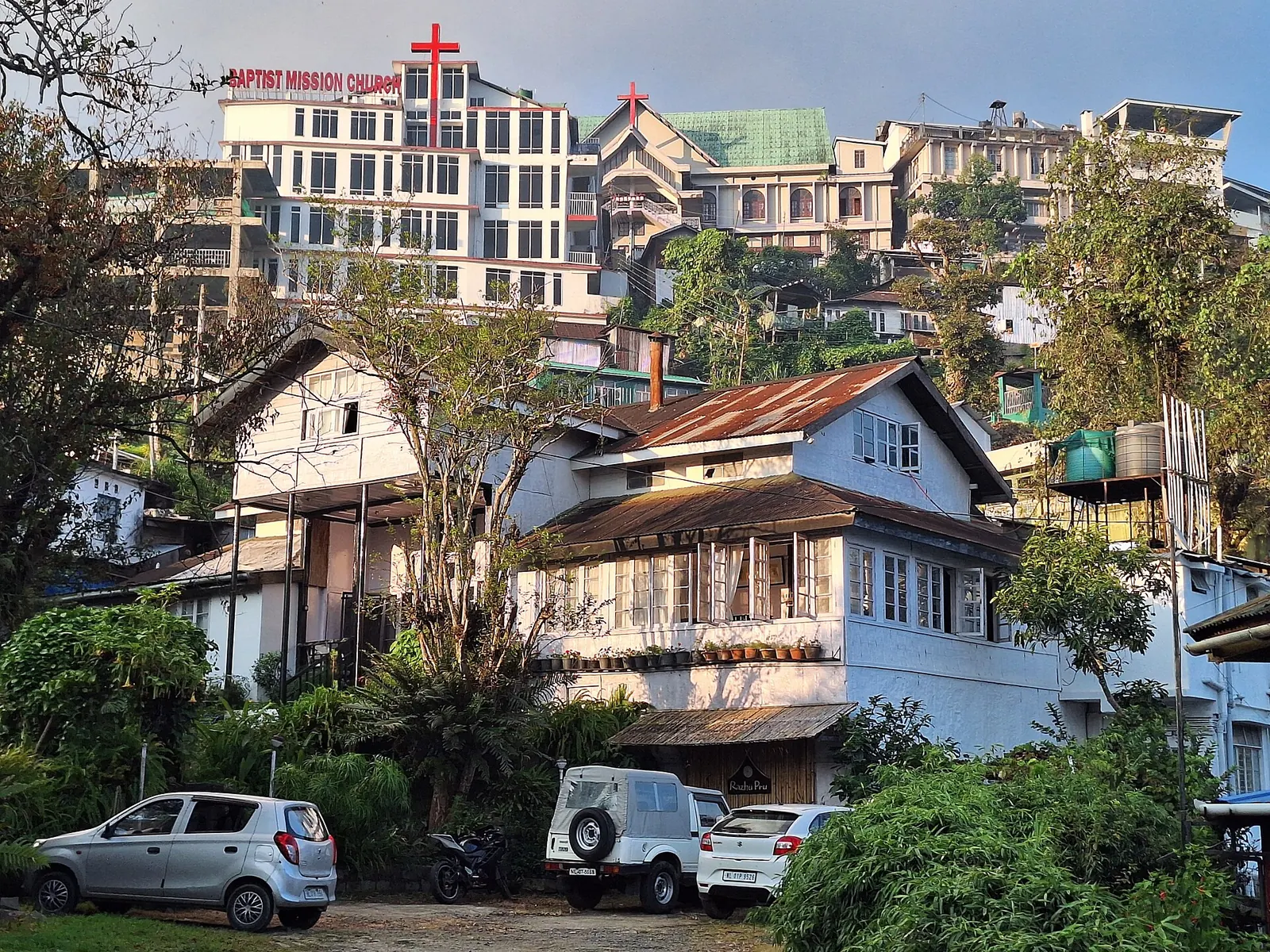
Four of the seven cities rated safest are northeastern state capitals. Several rated least safe are big northern cities with crowded transport. A traveller who spends her trip in Gangtok and Kohima and one who spends it in Delhi's bus and metro network will report different countries.
The city rankings are perception scores from Indian residents, and the NCRB state ranking above counts registered crimes. For how those two measures diverge, see the safest metro city by NCRB data and crime against women by state.
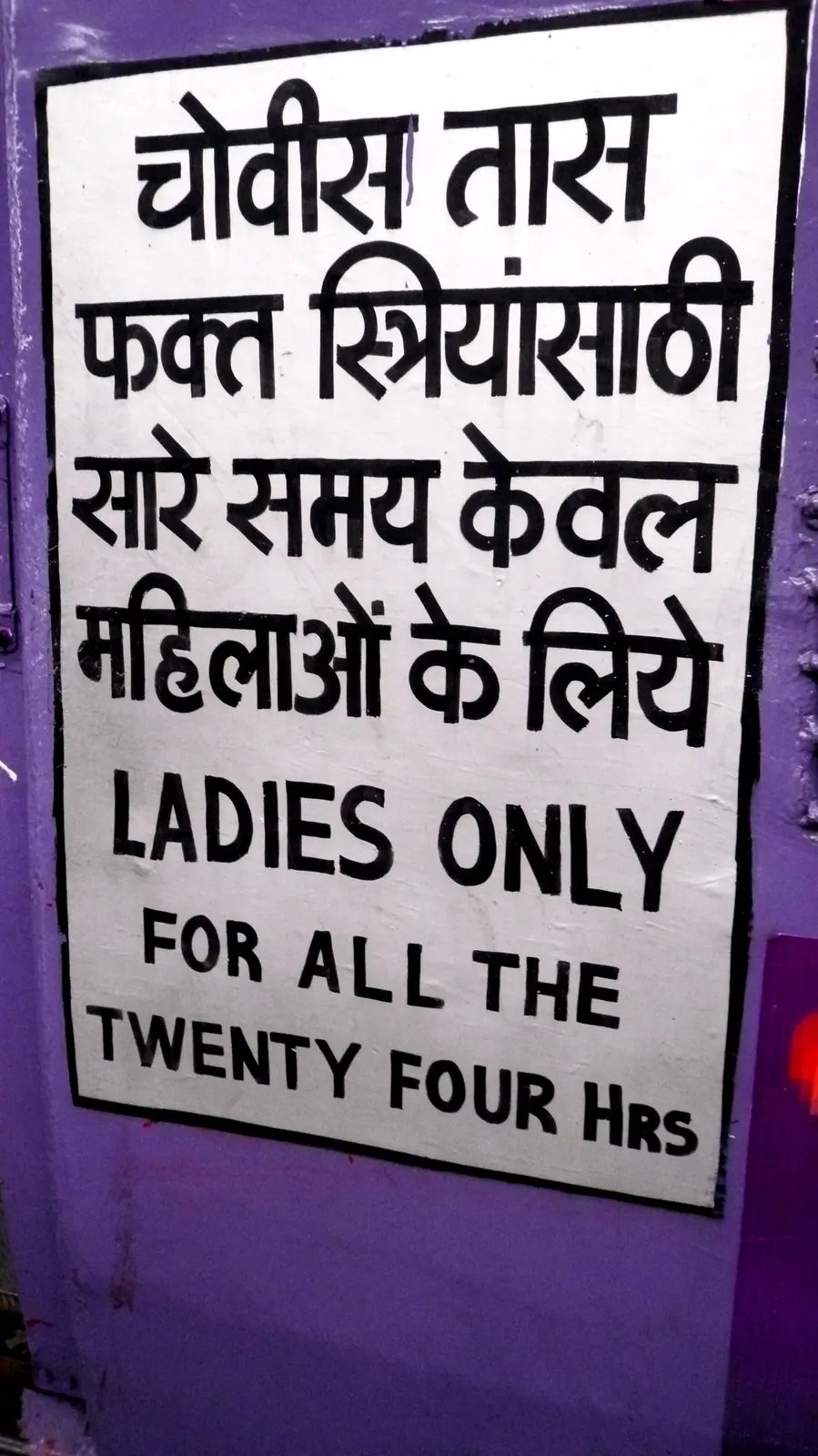
On 5 May 1992, Western Railway quietly ran a suburban train from Churchgate to Borivali in Mumbai with every coach reserved for women. The Railway Board calls it the world's first Ladies Special. A return service started on 11 May, and on 1 July 1993 both were extended to Virar. The reason was practical: working women were struggling to board the few women's compartments on packed peak-hour trains. Thirty-four years later Western Railway runs 10 Ladies Specials daily, on top of women-only coaches on every local. Mumbai, the city that built its trains around women commuters, was the one big metro in NARI 2025's safer group.
ThePrint (PTI): World's first ladies special train turns 34 (May 2026)Where exactly do the advisories tell women to take care?
Canada's advisory, updated 6 November 2026, is the most specific. It names Goa, Delhi, all public transport, and yoga centres, ashrams and other spiritual retreats as places where women should be especially vigilant. The US advisory reissued in June 2025 says sexual assault has occurred at tourist sites and advises against travelling alone, especially for women.
| Setting | What the evidence says | Source |
|---|---|---|
| Public transport | 29% of harassed women named it as the location; named by Canada | NARI 2025; Canada 2026 |
| Own neighbourhood or street | 38%, the largest share | NARI 2025 |
| Goa and Delhi | Named for extra vigilance; Delhi had the most registered crimes against foreigners (64) in 2024 | Canada 2026; NCRB 2024 |
| Yoga centres, ashrams, retreats | Named for extra vigilance | Canada 2026 |
| Unlit, less populated areas at night | Avoid; travel outside cities after dark discouraged | Canada 2026 |
| Snacks and drinks from new acquaintances | Linked to drugging for robbery and assault | Canada 2026 |
Why ashrams and retreats?
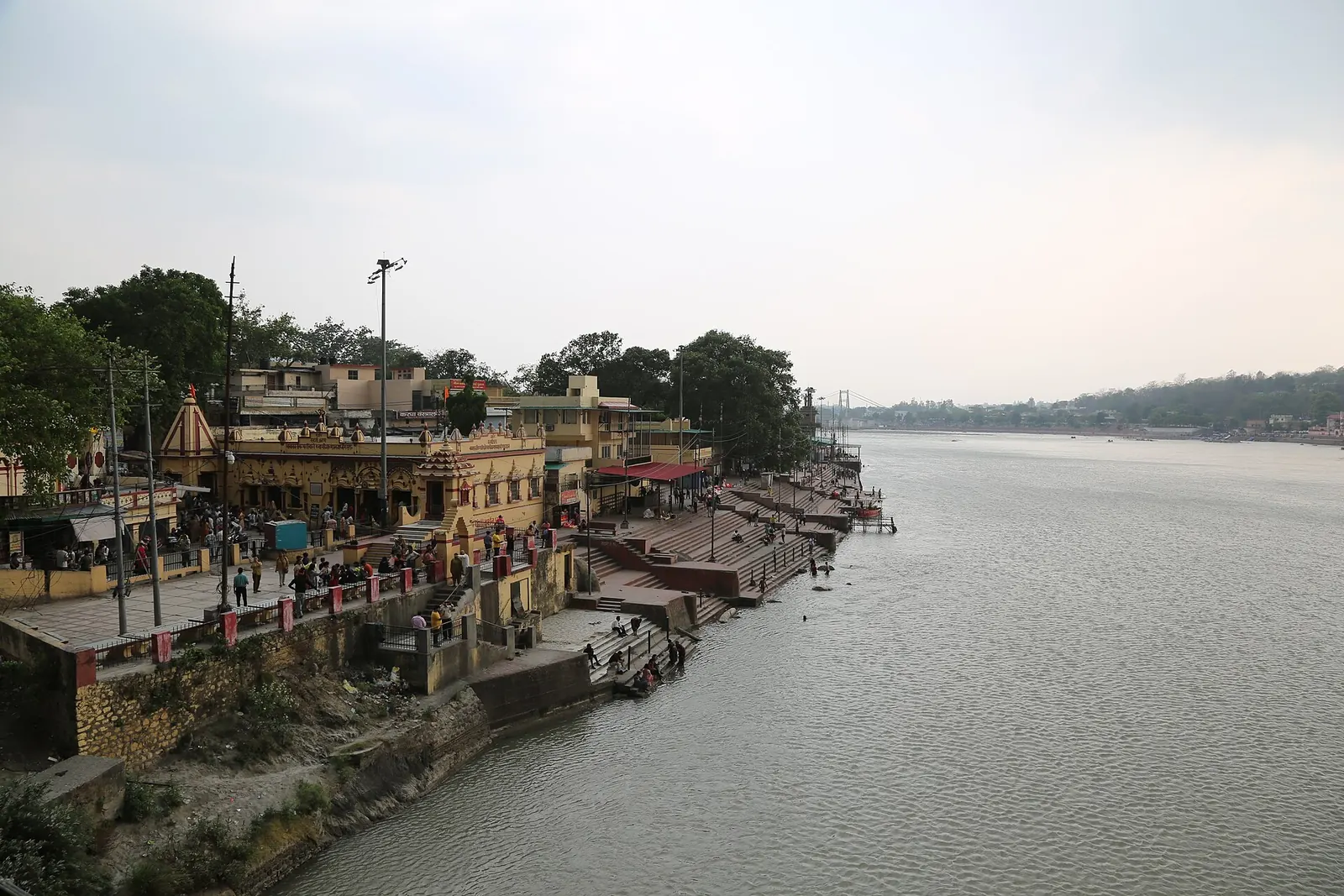
Because they combine trust, isolation and authority. A visitor who would never get into a stranger's car may accept a private session, a late walk or a room change from a teacher or "guru" at a retreat. The precautions are the same as anywhere: choose established centres with independent reviews from women, keep your own room key, and do not accept one-to-one sessions in private spaces.
How does risk change with time and crowd?
Two variables explain most of the pattern: light and people. Crowded places in daylight produce groping and staring but rarely serious violence; empty places after dark produce fewer incidents but the gravest ones.
- Crowds in daylight: wear a cross-body bag in front, use women-only coaches and queues, and make a scene if touched.
- Crowds at night: festivals, clubs and beach parties. Hold your drink, go with people you know, and pre-book the ride home.
- Isolated places at night: the setting of the worst cases involving tourists in recent years. Be back among people before dark; the detail is in where night risk rises.
Which Indian states are best for solo women travellers?
No official ranking exists for visitors, but the NARI 2025 city results point to the Northeast and parts of the east and south: Kohima (Nagaland), Aizawl (Mizoram), Gangtok (Sikkim), Itanagar (Arunachal), Bhubaneswar (Odisha) and Visakhapatnam (Andhra Pradesh). Mumbai was the only big metro in the safer group.
Two cautions apply. Several northeastern states need permits for foreigners, and parts of the region carry government advisories; check which areas foreign advisories flag before you plan, especially for Manipur. And a city's score reflects residents' daily lives, not a tourist's week; Goa, for example, is not in NARI's city list but is named by Canada.
What should you actually do?
Make every journey traceable, keep yourself among people after dark, and know the numbers. These are the habits Indian women use, and the evidence supports them.
- Arrive in daylight on your first night in any new city, and pre-book the first night's room and transfer.
- Use tracked transport. App cabs with trip sharing, prepaid airport and station booths, or women's coaches on trains and metros.
- Choose women-only options where they exist: Mumbai locals and Delhi Metro have women's coaches; many trains have ladies' quotas.
- Share your plan. Send your live location to someone who will check it, and tell your host when you expect to be back.
- Accept nothing opened. No drinks, snacks or cigarettes from new acquaintances.
- Save the numbers: 112 (all emergencies), 181 (women's helpline), 1091 (women in distress, police) and 1363 (Ministry of Tourism, 1800-111-363).
- Report. Any police station must register a complaint and can file a Zero FIR for a crime elsewhere; see how to file a Zero FIR. This is general information, not legal advice.
For the daily nuisance of staring and selfie requests, which is common but not dangerous, see why people stare at and follow foreigners.
Why does so little harassment reach the police?
Because women have learned it rarely helps. NARI 2025 found only a third of harassed women complained, and a quarter trusted officials to act. A 2024 systematic review of 28 studies on harassment in public transport worldwide found the same pattern: frequent harassment, widespread under-reporting, and women changing how and when they travel rather than reporting.
The precautions Indian women take are not paranoia; they are the evidence of a system that too often does not respond.
That is the hard truth behind every "be careful" a visitor hears, and the reason the practical steps above matter. For how India's reporting gaps distort the headline crime figures, see India's rape rate vs other countries. For riding and road-trip planning, the Yatri world page covers routes; more of the Kyun Bharat series is on the Kyun world page.
What do the research papers say?
The authors screened 575 indexed articles with the PRISMA method and kept 28 original studies on harassment of women in public transport, up to December 2023. Across countries they found high frequency, widespread under-reporting and clear links between harassment and changed travel behaviour, plus a gap between the measures authorities adopt and those women consider effective. Limit: a small and uneven body of studies, so it shows patterns, not rates for India.
Read the paper (free)A survey of 12,770 women across 31 cities produced a national safety score of 65%. Four in ten women said they feel unsafe in their own city; 7% had faced public harassment in 2024, most often verbal (58%). Neighbourhoods (38%) and public transport (29%) were the main hotspots, and only one in three harassed women complained formally. Limit: perception survey of urban residents, not visitors, and city scores are not crime rates.
Read the summary (free)What's new
- Canada's updated India advice keeps its women's-safety warnings on Goa, Delhi, transport and ashrams Government of Canada, Nov 2026
- NCRB: crimes against foreigners rose to 257 in 2024 The Patriot, May 2026
- Mumbai's Ladies Special turns 34, with 10 daily services ThePrint (PTI), May 2026
- NARI 2025 ranks cities on women's safety Outlook Traveller, Aug 2025
Questions people ask
Is India safe for solo female travellers?
Many women travel India alone without serious incident, and registered crime against foreigners is low. Harassment is common, especially on public transport, in crowds and after dark, so plan traceable journeys, stay among people at night and save 112.
Which Indian states are best for solo women travellers?
NARI 2025's safer cities include Kohima, Aizawl, Gangtok, Itanagar, Bhubaneswar, Visakhapatnam and Mumbai, which points to the Northeast and parts of the east and south. Check permit rules and advisories for northeastern states before you go.
What should a woman wear in India?
Canada's advisory asks travellers to respect local dress codes. Covering shoulders and knees is expected at temples, mosques and gurdwaras and draws less attention in small towns; beach towns and big cities are more relaxed. Clothing does not cause harassment, but blending in reduces attention.
Is it safe to take trains alone as a woman in India?
Generally yes, especially in women-only coaches on suburban trains and metros. On overnight trains, lock your bags, choose upper berths, keep your phone charged and do not accept food or drinks from strangers.
Sources
- Government of Canada: Travel advice and advisories for India (updated 6 Nov 2026)
- ThePrint: US travel advisory for India and its warnings for women (2025)
- DT Next: US advisory on sexual assault at tourist sites (2024)
- Outlook Traveller: NARI 2025 city rankings and findings (2025)
- The Patriot: NCRB 2024 crimes against foreigners by state (2026)
- ThePrint: Foreign tourist arrivals 2024, India Tourism Data Compendium 2025 (2025)
- ThePrint (PTI): World's first Ladies Special turns 34 (2026)
- Useche et al.: Harassment against women in public transport, PLOS ONE (2024)
- Emergency Response Support System: 112 India (2026)

Sapta (Saptarshi Sarkar) is a mechanical engineer turned marketer in Bengaluru and a solo touring rider. He writes the seven Saptaverse blogs. Work with him or read more of Whyblog.