The US, UK, Canada and Australia all rate India as a whole at their second level of four ("increased" or "high degree of" caution), not as a dangerous country. What they flag are a few specific zones: the Union Territory of Jammu and Kashmir (Ladakh is treated separately), Manipur, the strip within 10 km of the Pakistan border, and, for the US, parts of central and eastern India where Maoist groups were active. Last checked on 13 November 2026, the UK page was updated on 7 October 2026 and Canada's on 6 November 2026.
- Level 2 of 4 is the rating for India as a whole from all four governments.
- Jammu and Kashmir (outside Ladakh), Manipur and the 10 km Pakistan border strip are the shared red zones.
- Travel insurance can be invalidated if a UK traveller goes against FCDO advice.
- The four countries sent about 3.8 million of India's 9.95 million foreign tourists in 2024.
- 257 crimes against foreigners were registered across India in 2024 (NCRB), with Delhi highest at 64.
Every foreigner planning an India trip eventually reads a page that sounds alarming: terrorism, insurgency, landmines, sexual assault. Indians who see those pages often feel insulted. Both reactions miss what an advisory actually is: a map of where a government will and will not help its citizens, and where its insurers stop paying.
This guide puts the four most-read advisories side by side, explains why each red zone exists, and tells you what each warning means on the ground. Advisories change, so check the live pages before you book.
What do the four India travel advisories say in 2026?
All four put India at their second step of four, and all four agree on the same small core of no-go areas. The differences are in the edges: the US is the strictest about central and eastern India and the Northeast; the UK is the strictest about Jammu city.
| Government (page date) | India overall | Do not travel / avoid all travel | Reconsider / avoid non-essential |
|---|---|---|---|
| UK FCDO (7 Oct 2026) | No overall level; normal travel | J&K UT incl. Srinagar, Pahalgam, Gulmarg, Sonamarg and the Jammu-Srinagar highway (except flying to and staying in Jammu city); within 10 km of the Pakistan border except the Wagah-Attari crossing | Manipur, including Imphal (against all but essential travel) |
| Canada (6 Nov 2026) | High degree of caution | J&K UT (Ladakh excluded); within 10 km of the Pakistan border in Gujarat, Punjab and Rajasthan | Manipur (avoid non-essential travel) |
| US State Department (reissued June 2025) | Level 2: increased caution | J&K (except eastern Ladakh and Leh); within 10 km of the Pakistan border; Manipur; parts of central and east India with Maoist activity | Northeastern states (Level 3) |
| Australia Smartraveller | High degree of caution | J&K (excluding Ladakh); the India-Pakistan border area | Chhattisgarh and border areas of neighbouring states; parts of Assam (Tinsukia, Dibrugarh, Charaideo, Sivasagar); Nagaland; Manipur in earlier listings |
Why is Jammu and Kashmir still a no-go zone?
Because the last large attack on tourists there was recent and deliberate. Advisories cite the risk of terrorism and civil unrest across the Union Territory, including the places tourists actually go: Srinagar, Gulmarg, Sonamarg and Pahalgam.
At about 2.45 pm on 22 April 2025, gunmen came out of the forest at Baisaran, a meadow above Pahalgam that can only be reached on foot or by pony, and opened fire on tourists. At least 26 people were killed, all men, most of them Indian tourists from states including Haryana, Karnataka, Kerala, Odisha and Uttar Pradesh, plus a Nepali national. It was the deadliest attack on tourists in Kashmir since 2000. Within days India closed the Attari-Wagah crossing and suspended the Indus Waters Treaty, and Pakistan answered in kind. Eighteen months later, the UK still names Pahalgam in its list of places to avoid.
Al Jazeera: What happened in the Kashmir attack that killed 26 tourists (Apr 2025)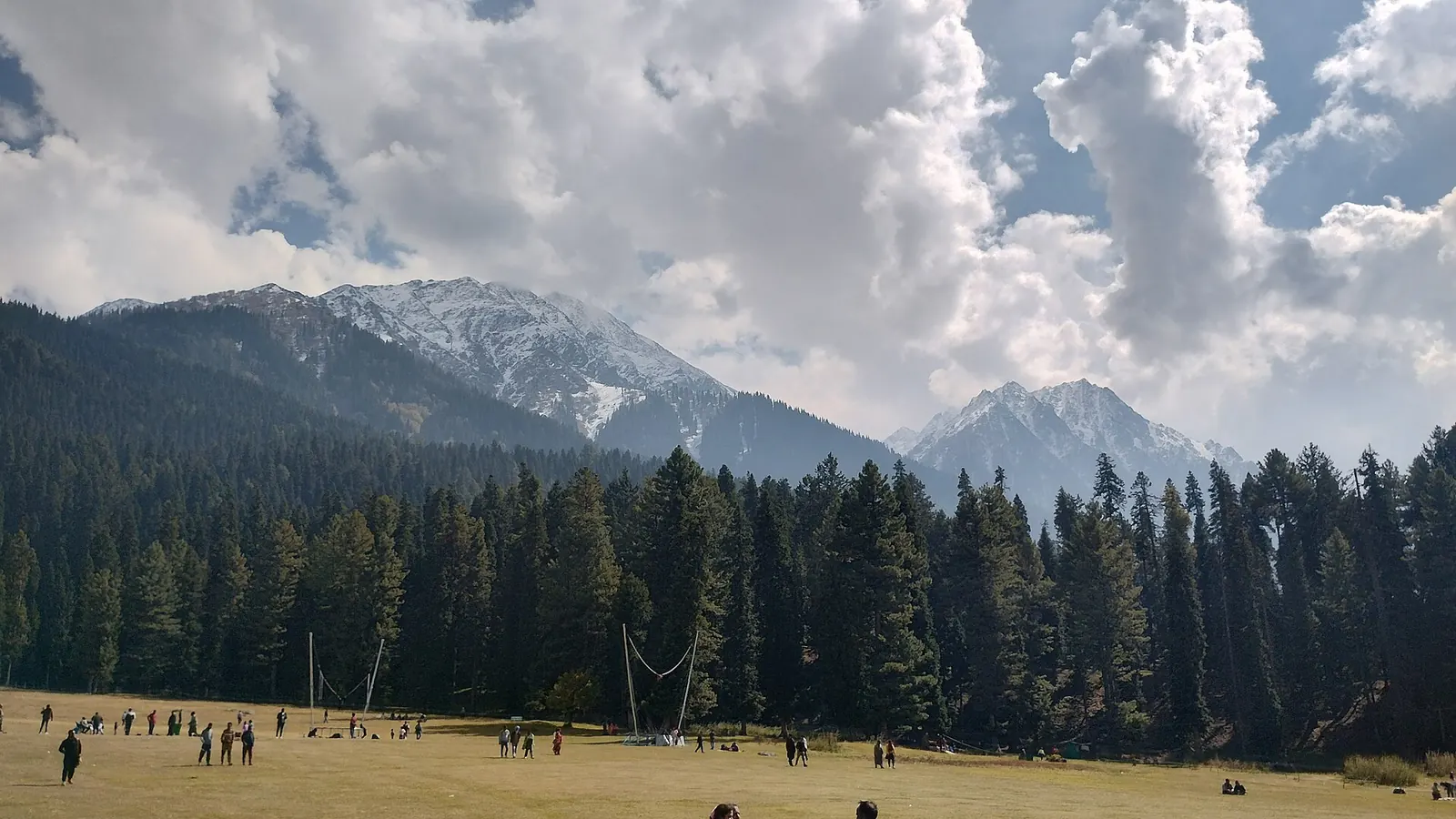
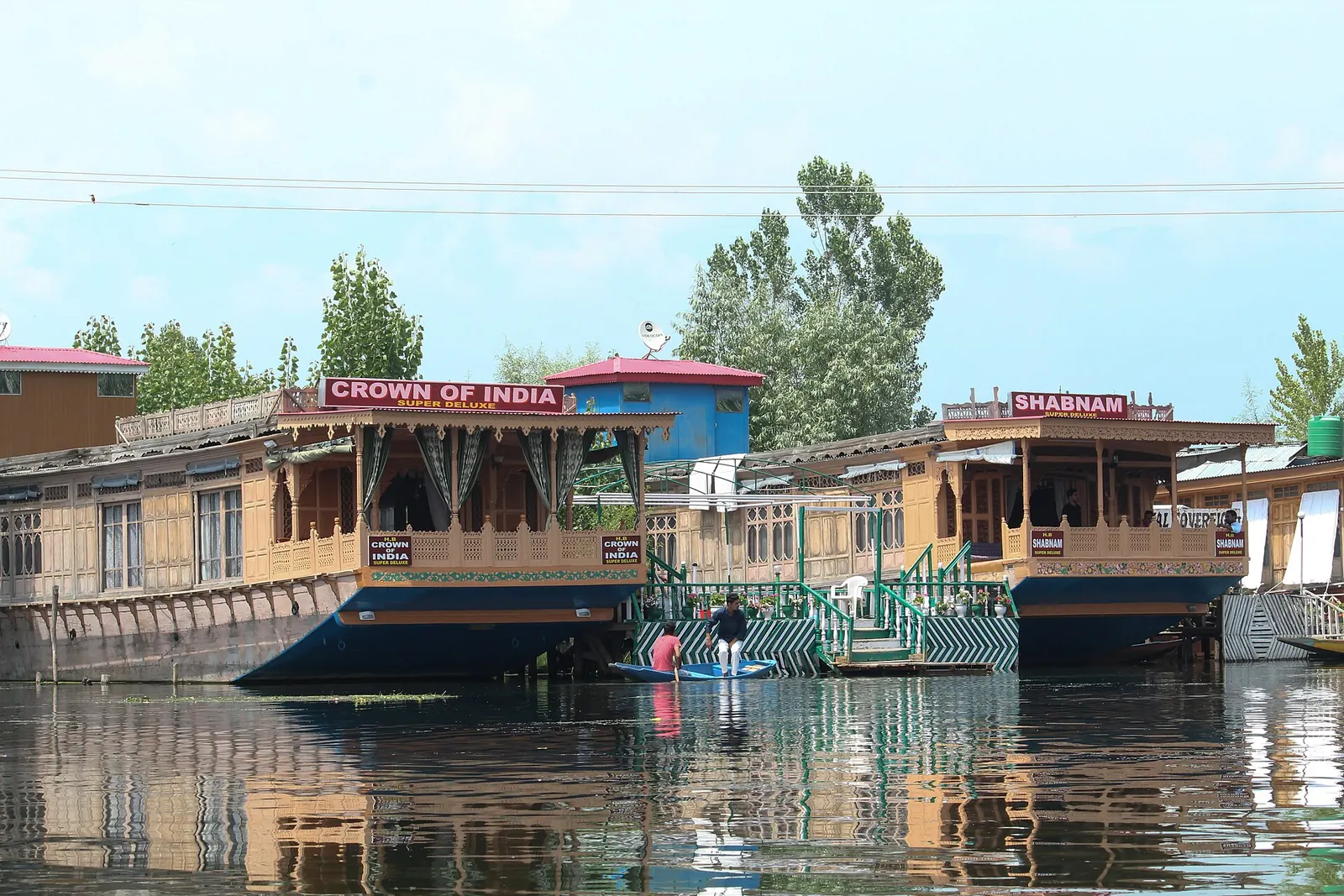
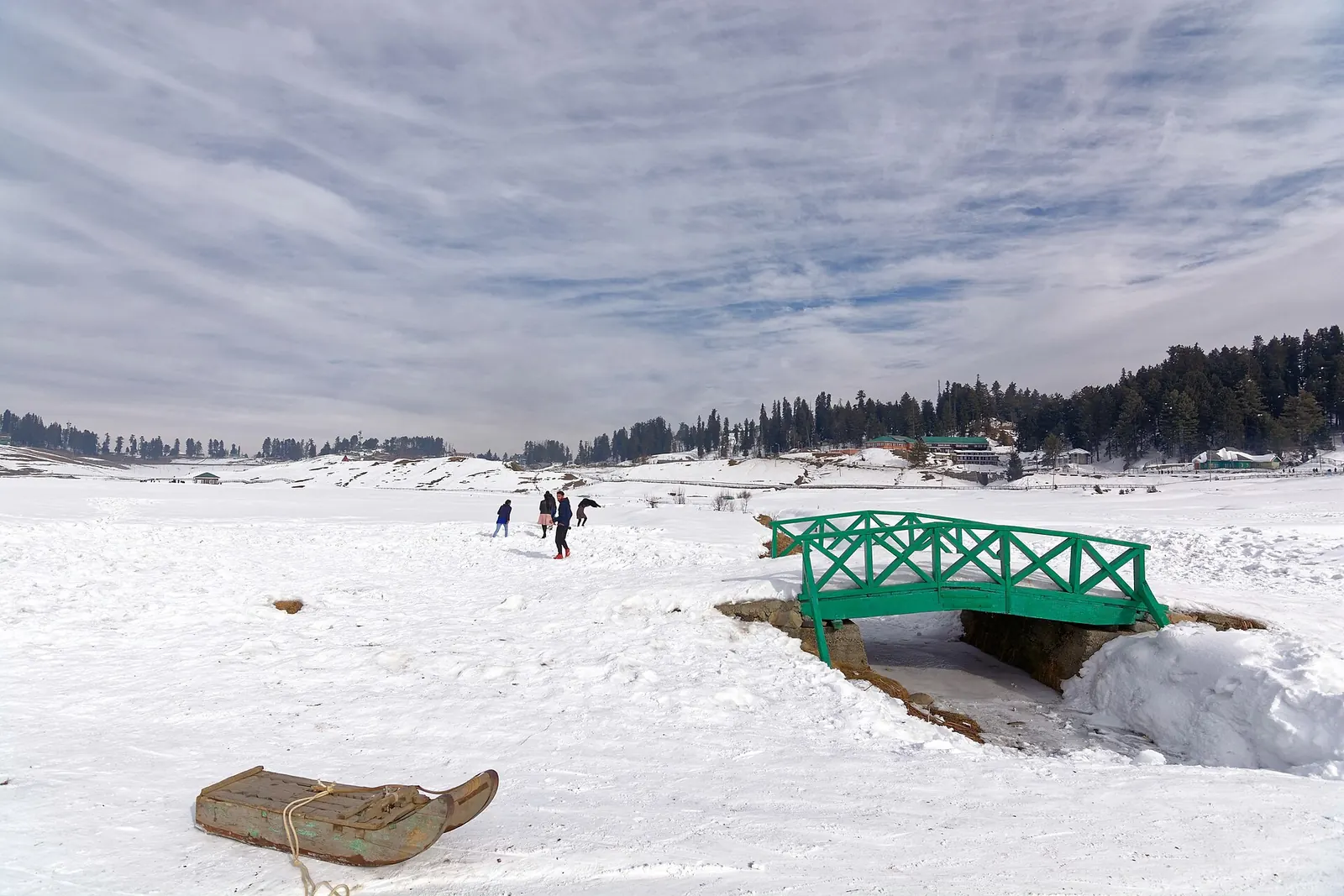
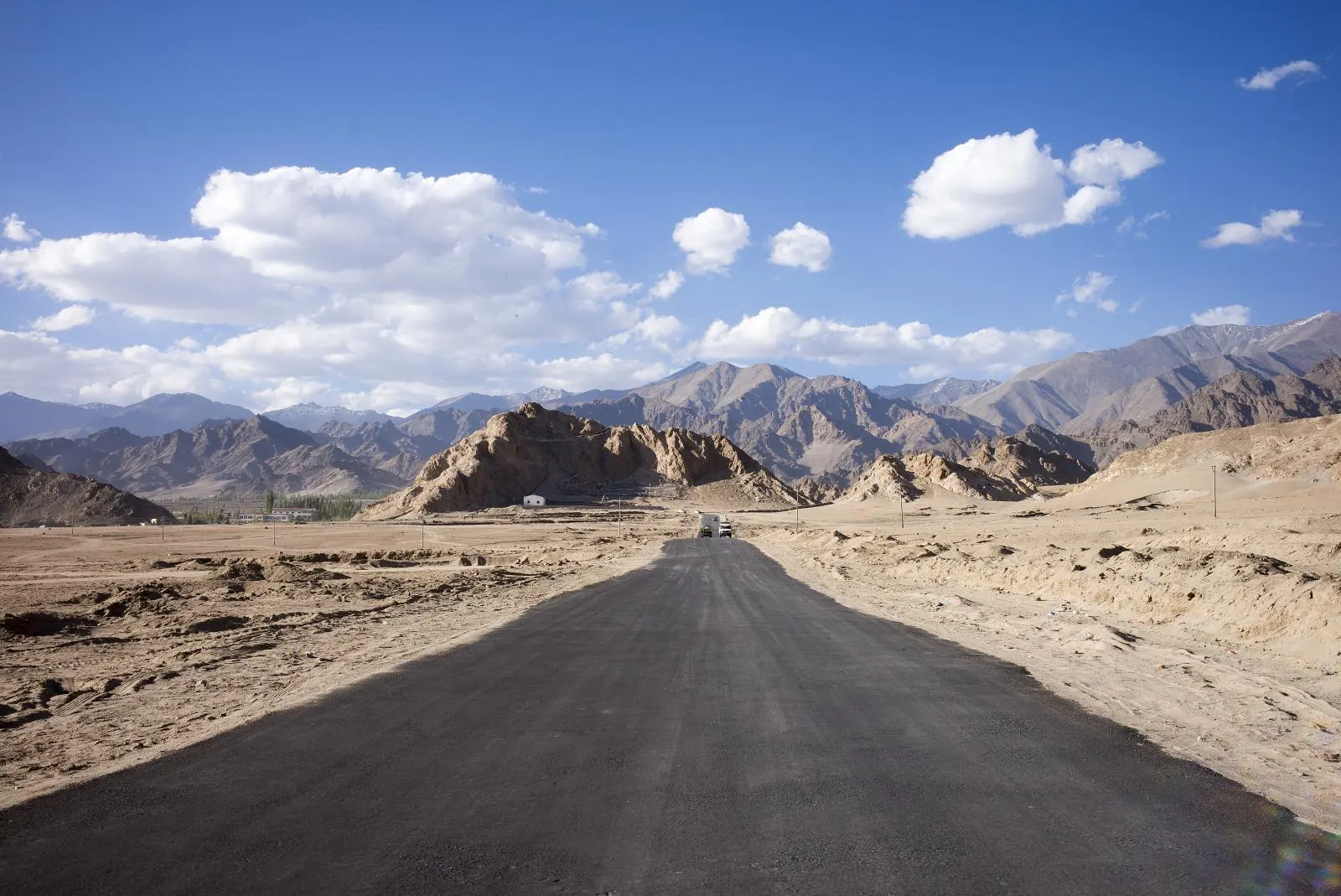
Two caveats matter. First, Ladakh is a separate Union Territory since 2019, and Canada and Australia exclude it from the warning; the US excludes eastern Ladakh and Leh. Second, the UK makes one narrow exception: flying into Jammu city and staying within it, which matters for pilgrims heading to Vaishno Devi near Katra (Katra itself is outside Jammu city).
Why is Manipur flagged?
Because ethnic violence that began on 3 May 2023 has not ended. On 3 September 2026, Manipur's home minister told the state assembly that 306 people had been killed and 49 were still missing as of 31 August 2026. President's Rule ran from 13 February 2025 to 4 February 2026, and fresh clashes in the hill districts in 2026 brought new curfews.
- UK: against all but essential travel to Manipur, including Imphal, citing curfews and restrictions.
- Canada: avoid non-essential travel.
- US: do not travel; US government staff need prior approval to go.
Foreigners also face permit rules in several northeastern and border areas, which are about paperwork rather than danger. Check them before you plan a route, along with gear rules that catch trekkers in border zones; see why satellite messengers are banned in India.

What is the 10 km border rule, and why does Wagah matter?
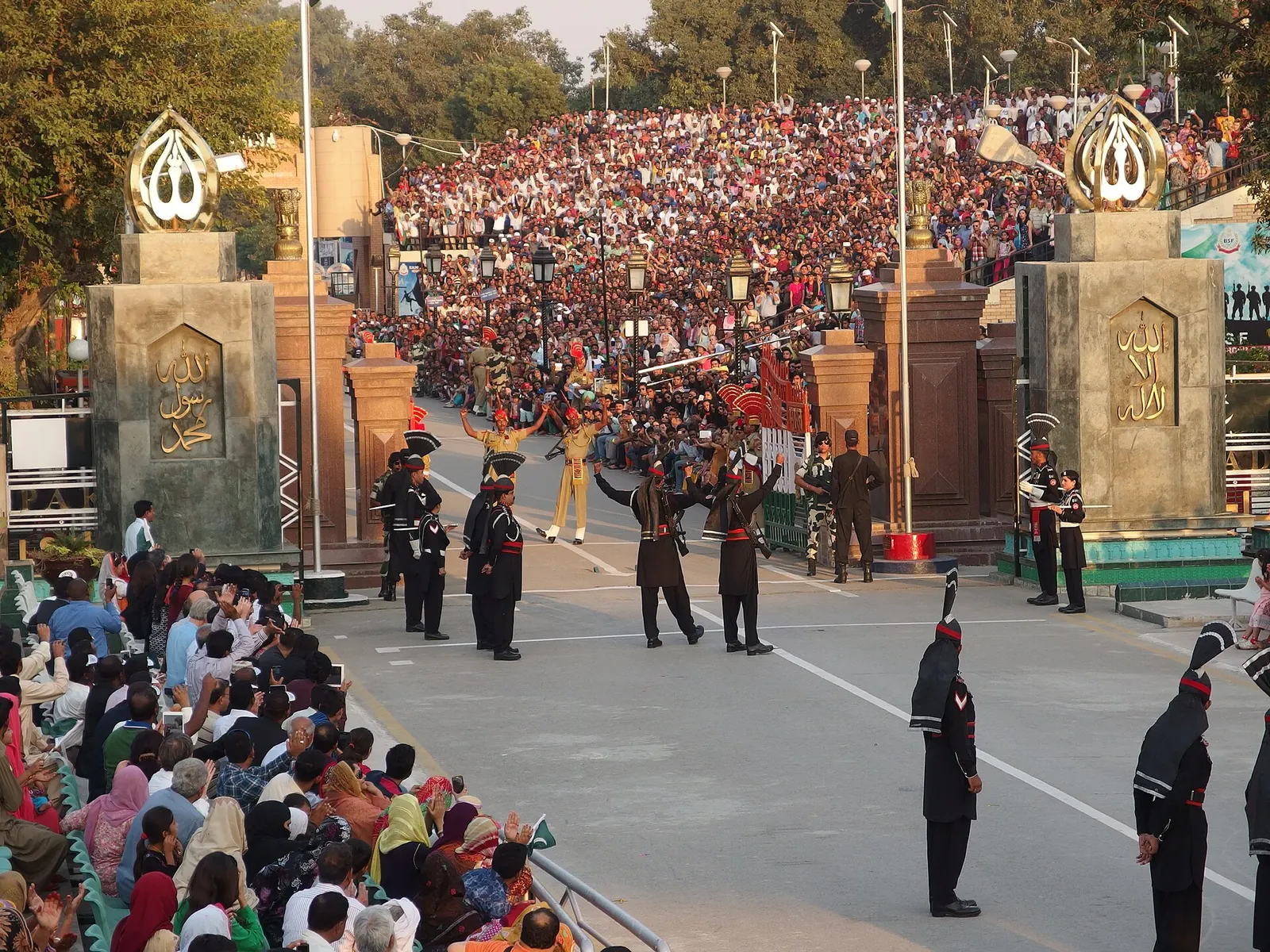
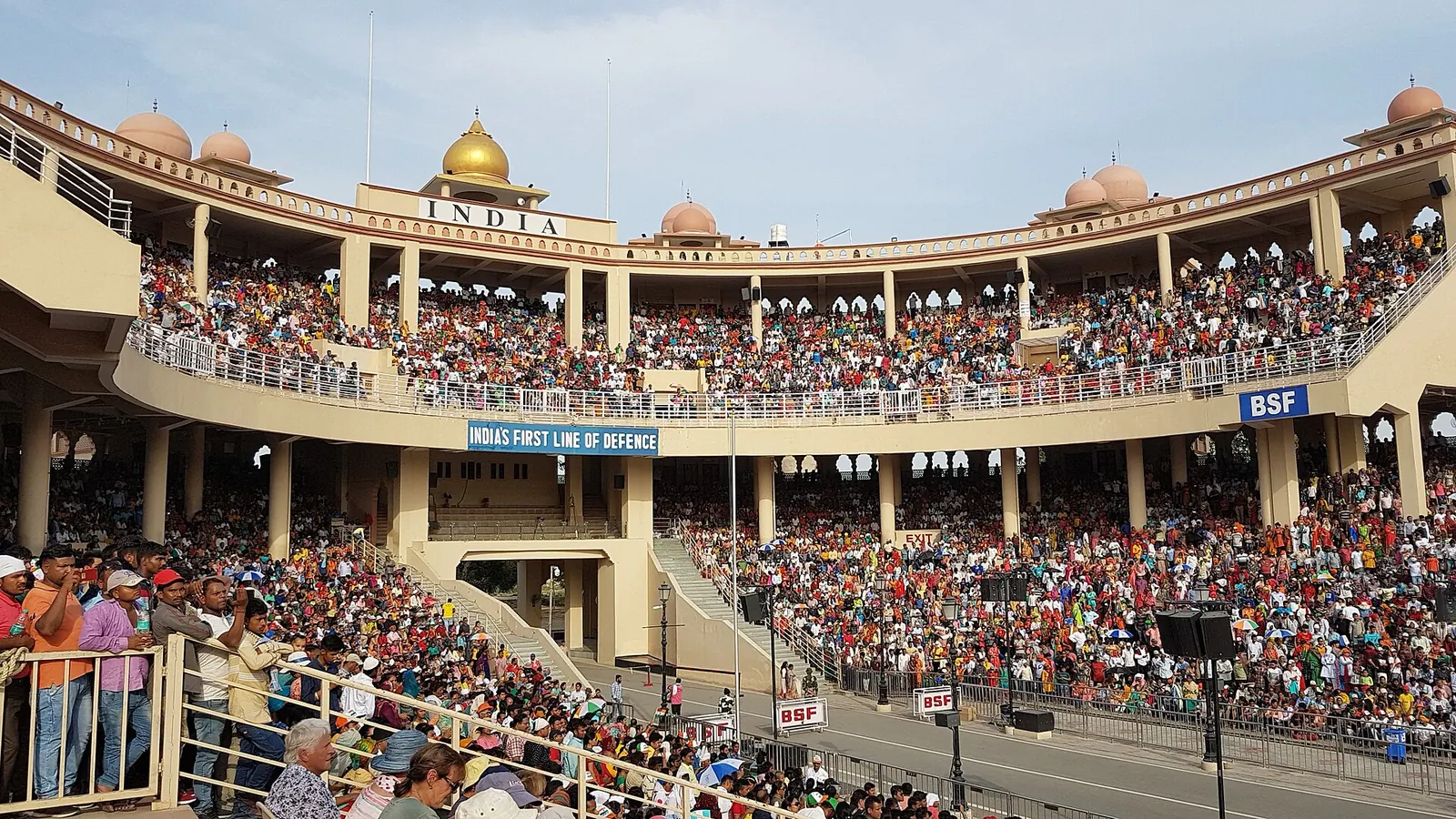
All four governments warn against going within 10 km of the India-Pakistan border, because of the risk of armed conflict and, Canada adds, landmines and unexploded ordnance in Gujarat, Punjab and Rajasthan. The one place most tourists want to see inside that strip is the Attari-Wagah border ceremony near Amritsar.
The UK excepts the Wagah-Attari crossing from its warning. The crossing itself has been closed since April 2025, but the UK page says visitors can still attend the daily retreat ceremony. Canada lists the crossing as closed without an exception for the ceremony.
Why does the US flag central and eastern India?
Because of the Maoist (Naxalite) insurgency, which the US advisory describes as active from eastern Maharashtra and northern Telangana through to western West Bengal, with attacks continuing in rural Chhattisgarh and Jharkhand. Australia's matching warning names Chhattisgarh and border areas of neighbouring states.
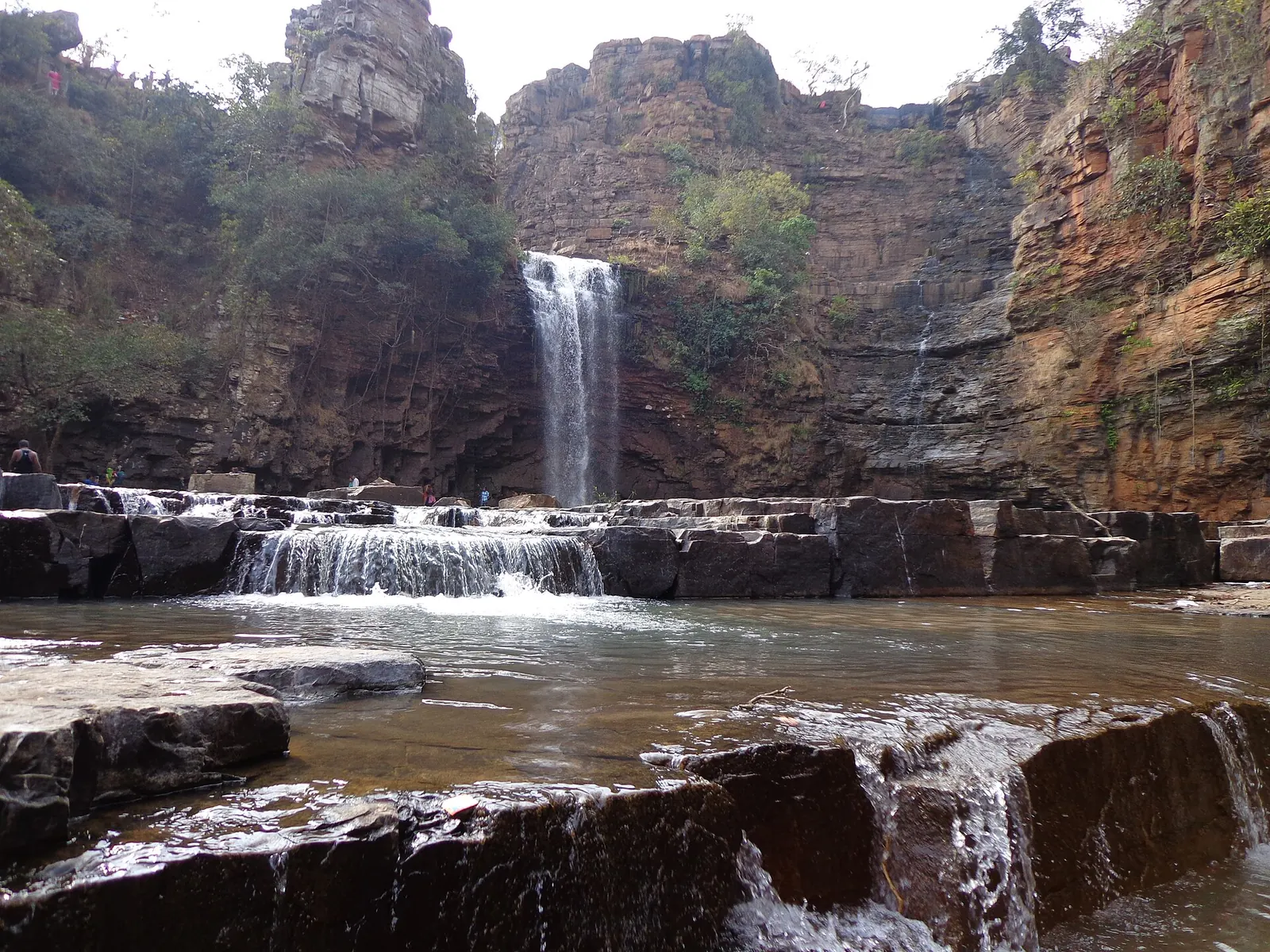
The insurgency has shrunk fast, which is why this zone is the one most likely to change next. In October 2025 the Ministry of Home Affairs said the "most affected" districts had fallen from six to three, all in Chhattisgarh (Bijapur, Sukma and Narayanpur), and total affected districts from 18 to 11, against a government deadline of 31 March 2026 to end the problem. The full story of that shrinking map is in Naxal-affected districts.
Tap the map to see the strictest level any of the four governments puts on some part of each state.
Map: Strictest advisory level on any part of each state (US, UK, Canada, Australia)
- Jammu & Kashmir: 4 level (1-4)
- Manipur: 4 level (1-4)
- Punjab: 4 level (1-4)
- Rajasthan: 4 level (1-4)
- Gujarat: 4 level (1-4)
- Chhattisgarh: 4 level (1-4)
- Jharkhand: 4 level (1-4)
- Maharashtra: 4 level (1-4)
- Telangana: 4 level (1-4)
- West Bengal: 4 level (1-4)
- Assam: 3 level (1-4)
- Nagaland: 3 level (1-4)
- Arunachal Pradesh: 3 level (1-4)
- Mizoram: 3 level (1-4)
- Meghalaya: 3 level (1-4)
- Tripura: 3 level (1-4)
- Sikkim: 3 level (1-4)
- Ladakh: 2 level (1-4)
- Himachal Pradesh: 2 level (1-4)
- Uttarakhand: 2 level (1-4)
- Haryana: 2 level (1-4)
- Delhi: 2 level (1-4)
- Uttar Pradesh: 2 level (1-4)
- Bihar: 2 level (1-4)
- Madhya Pradesh: 2 level (1-4)
- Odisha: 2 level (1-4)
- Andhra Pradesh: 2 level (1-4)
- Karnataka: 2 level (1-4)
- Kerala: 2 level (1-4)
- Tamil Nadu: 2 level (1-4)
- Goa: 2 level (1-4)
- Puducherry: 2 level (1-4)
- Chandigarh: 2 level (1-4)
Does a travel advisory void your travel insurance?
For UK travellers, it can. The FCDO page states plainly that travel insurance could be invalidated if you travel against its advice. Most policies exclude claims arising in an area where the FCDO advised against all travel, and some exclude the whole trip.
- Map your route against the red zones. A Leh trip that drives in via Srinagar passes through the J&K warning area; flying into Leh does not.
- Read your policy's "government advice" clause. Look for the words "FCDO", "State Department" or "Smartraveller".
- Ask the insurer in writing if your route touches a flagged area, and keep the reply.
- Register your trip with your embassy's service (for example Smartraveller or the US STEP scheme) so you get alerts.
Indian citizens are not bound by any of this, but foreign spouses, colleagues and riding partners are. If you are organising a group ride with foreign friends, plan the route around their insurance, not yours.
Is India safe for foreign tourists outside the red zones?
Recorded crime against foreigners is low relative to the number of visitors. NCRB's Crime in India 2024 counted 257 crimes against foreigners nationwide (238 in 2023, 192 in 2022), while India received 9.95 million foreign tourist arrivals in 2024. That is roughly 2.6 registered crimes per lakh arrivals.
| State or UT | Crimes against foreigners, 2024 |
|---|---|
| Delhi | 64 |
| Maharashtra | 41 |
| Karnataka | 32 |
| Himachal Pradesh | 19 |
| Kerala | 17 |
| Haryana | 16 |
| Goa | 13 |
The advisories' everyday warnings are not about red zones at all. Canada's page tells women to take particular care in Goa, Delhi, on public transport and at yoga centres and ashrams; the US June 2025 text says sexual assault has occurred at tourist sites. That is covered in detail in why solo women travellers hear mixed advice and where night risk rises.
Why do these four advisories matter so much to India?
Because their readers are a large share of India's visitors. In 2024 the US was India's biggest source of foreign tourists, and the UK, Australia and Canada were third, fourth and fifth.
See the data as a table
| Arrivals (million) | |
|---|---|
| United States | 1.8 |
| Bangladesh | 1.75 |
| United Kingdom | 1.02 |
| Australia | 0.518 |
| Canada | 0.476 |
Source: Ministry of Tourism, India Tourism Data Compendium 2025, via ThePrint · Top five source countries; total foreign tourist arrivals were 9.95 million.
Together the four advisory countries sent about 3.8 million visitors, close to 38% of the total. When Washington or London edits one paragraph about Kashmir or the Northeast, tour operators in Srinagar, Shillong and Kaziranga feel it. That is why Indian officials lobby hard over wording, and why Australia's February 2025 decision to lower most of Assam from "reconsider" to "high degree of caution", after about 20 years, was news in Guwahati.
How should you read an advisory without panicking?
Read it as a list of situations, not a verdict on a country. Most of the text on each page applies to every country it covers: terrorism risk in crowded places, petty theft, road safety, scams.
- Check the regional warnings first. If your route avoids the red zones, the only advice that applies is the general Level 2 text.
- Look at the update date. A change notice ("latest update") tells you what moved and when.
- Separate safety from paperwork. Many "restricted" areas for foreigners (Sikkim's north, Arunachal, Andaman tribal areas) are about permits, not danger.
- Use local numbers. Save 112 for all emergencies and 1363 (1800-111-363), the Ministry of Tourism helpline.
An advisory is a map of where your government will stop helping you, not a judgement of the country.
For other rules that surprise visitors, see India's visa overstay penalties and why foreigners get arrested in Kasol and Malana. More of the Kyun Bharat series is on the Kyun world page.
What do the official documents say in full?
The FCDO advises against all travel to the Union Territory of Jammu and Kashmir, naming Pahalgam, Gulmarg, Sonamarg, Srinagar and the Jammu-Srinagar national highway, except air travel to and within Jammu city. It advises against all travel within 10 km of the Pakistan border except the Wagah-Attari crossing, and against all but essential travel to Manipur, including Imphal. It warns that travel against this advice could invalidate insurance. Limit: the UK uses area warnings, not numbered levels, so it is not directly comparable with the US scale.
Read the advice (free)Canada rates India "exercise a high degree of caution" because of the threat of terrorist attacks nationwide. It says avoid all travel to the Union Territory of Jammu and Kashmir (Ladakh excluded) and within 10 km of the Pakistan border in Gujarat, Punjab and Rajasthan, citing landmines and unexploded ordnance, and avoid non-essential travel to Manipur. Its women's-safety section names Goa, Delhi, public transport and spiritual retreats, and its health section warns of counterfeit rabies vaccine. Limit: it describes risks but gives no incident counts.
Read the advice (free)What's new
- Canada updates its India advice, keeping Kashmir, the border strip and Manipur flagged Government of Canada, Nov 2026
- UK FCDO updates its India warnings page GOV.UK, Oct 2026
- Manipur: 306 killed and 49 missing since May 2023, state tells assembly ThePrint (PTI), Sep 2026
- NCRB: crimes against foreigners rose to 257 in 2024; Delhi tops list The Patriot, May 2026
Questions people ask
Is it safe to travel to India right now?
For most itineraries, yes, with normal big-country precautions. All four major advisories rate India at their second level of four. Avoid the flagged zones (J&K outside Ladakh, Manipur, the 10 km Pakistan border strip, and remote Maoist-affected forest districts), and check the live pages before you go.
Why does the US say do not travel to parts of India?
Because of terrorism and civil unrest in Jammu and Kashmir, the risk of armed conflict along the Pakistan border, ethnic violence in Manipur and Maoist insurgency in parts of central and eastern India. The US also asks citizens to reconsider travel to the Northeast because of insurgent groups.
Is Ladakh included in the Kashmir warning?
Canada and Australia exclude Ladakh, and the US excludes eastern Ladakh and Leh. The UK warning covers the Union Territory of Jammu and Kashmir, which since 2019 does not include Ladakh. Driving to Leh via Srinagar still crosses the warning area; flying in does not.
Can I visit the Wagah border ceremony?
The UK excepts the Wagah-Attari crossing from its 10 km warning and says the daily ceremony can still be attended, although the crossing itself has been closed since April 2025. Check the current status before you go.
Sources
- GOV.UK: Foreign travel advice India, warnings and insurance (updated 7 Oct 2026)
- Government of Canada: Travel advice and advisories for India (updated 6 Nov 2026)
- US State Department: India travel advisory (page would not load for us; check directly)
- DT Next: US advisory zones and staff travel rules (2024)
- ThePrint: US travel advisory for India, June 2025 reissue (2025)
- Siasat: US advisory on central and eastern India (2025)
- Smartraveller: India (page would not load for us; check directly)
- SBS News: Australia changes its travel advice for parts of India (2023)
- SBS Hindi: Australia eases Assam advisory after 20 years (2025)
- Al Jazeera: The Pahalgam attack (2025)
- ThePrint: Manipur toll since May 2023 (2026)
- The Tribune: Naxalism-affected districts reduced to 3 from 6, MHA (2025)
- The Patriot: NCRB 2024 crimes against foreigners (2026)
- ThePrint: India Tourism Data Compendium 2025 arrivals (2025)

Sapta (Saptarshi Sarkar) is a mechanical engineer turned marketer in Bengaluru and a solo touring rider. He writes the seven Saptaverse blogs. Work with him or read more of Whyblog.