The Inner Line Permit comes from the Bengal Eastern Frontier Regulation of 27 August 1873, a British rule that let the government draw an "Inner Line" in the Assam hills and bar outsiders from crossing it without a pass. Independent India kept it to protect tribal land and culture, so in 2026 an Indian citizen still needs an ILP to enter Arunachal Pradesh, Nagaland, Mizoram and Manipur. Permits you meet in Sikkim, Ladakh and the Himachal and Uttarakhand border belts are a different, later system built for border security.
- 27 August 1873: the Bengal Eastern Frontier Regulation creates the Inner Line.
- Four states need an ILP for Indians in 2026: Arunachal, Nagaland, Mizoram and, since 1 January 2020, Manipur.
- PAP and RAP (1958, 1963) are for foreigners only, under the Foreigners Act, not the 1873 law.
- Ladakh dropped its permit for Indian tourists in August 2021; fees and registration remain.
- Up to 1 year and ₹1,000: the penalty for crossing the line without a pass.
Every rider who has stood at a checkpost in Bhalukpong, Dimapur or Vairengte has asked the same thing: why does a citizen need a pass to enter his own country?
The honest answer is that there are three separate legal ideas stacked on top of each other, born 85 years apart, and the checkpost staff rarely explain which one you are dealing with. This post untangles them in order, with dates, so you know what each piece of paper is for before you plan a route through the Northeast or the high Himalaya.
Why did the British draw an Inner Line in 1873?
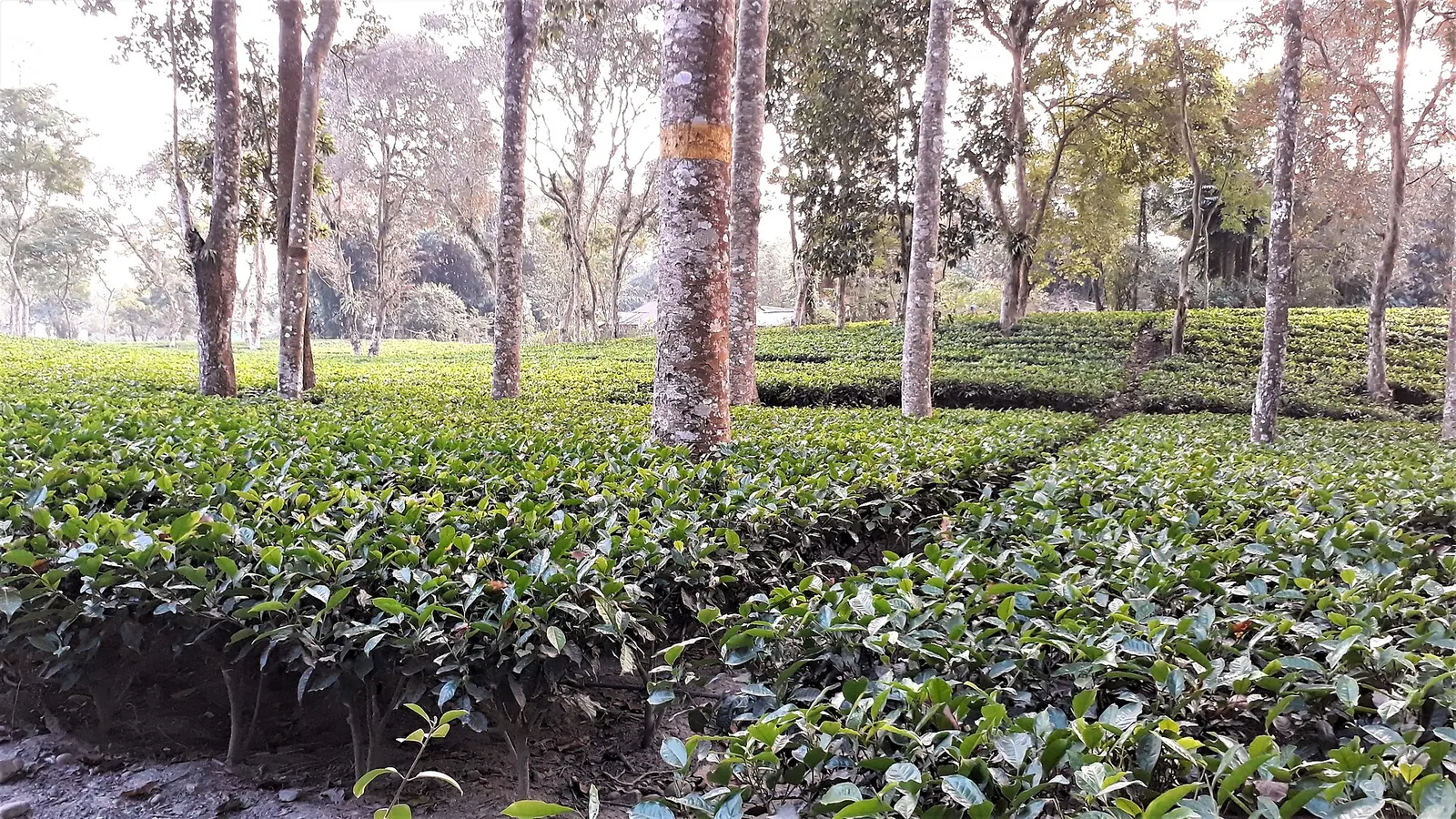
The British drew the Inner Line to protect tea, timber and elephant revenue in the Assam foothills, not to protect tribes. By the 1860s tea gardens were pushing into the foothills of the Naga, Garo and Lushai hills.
The gardens took jhum (shifting-cultivation) land and hunting grounds, hill communities raided the plantations, and the government kept paying for punitive expeditions it did not want.
On 23 January 1871, a raiding party from the Lushai hills struck the Alexandrapur tea estate. The planter James Winchester was speared from behind as he tried to escape, several labourers were killed, and his six-year-old daughter, Mary, was carried off into the hills with other captives.
The government answered with the Lushai Expedition: two columns, from Cachar under General George Bourchier and from Chittagong under General Charles Brownlow, about 2,500 infantry in all, in the field from 15 December 1871 to 20 February 1872. Hundreds of captives were brought back, Mary Winchester among them. About eighteen months after the columns came home, the Inner Line became law, a cheaper answer than sending armies into the hills every few years.
Wikipedia: Lushai ExpeditionIn 1869 Alexander Mackenzie wrote a memorandum for the Bengal government describing the official policy towards the frontier tribes as one of conciliation. Officials on the ground were trying out tribute payments, blocked passes and buffer zones instead of annexation.
From compromise to law
The 1873 Regulation turned that compromise into law. Section 2 let the government notify a line in each frontier district and forbid named classes of people from crossing it without a pass.
In practice it worked both ways. British subjects needed a pass to go beyond the line, which stopped planters and traders from starting fights the state would have to finish, and hill people needed passes to come down and trade.
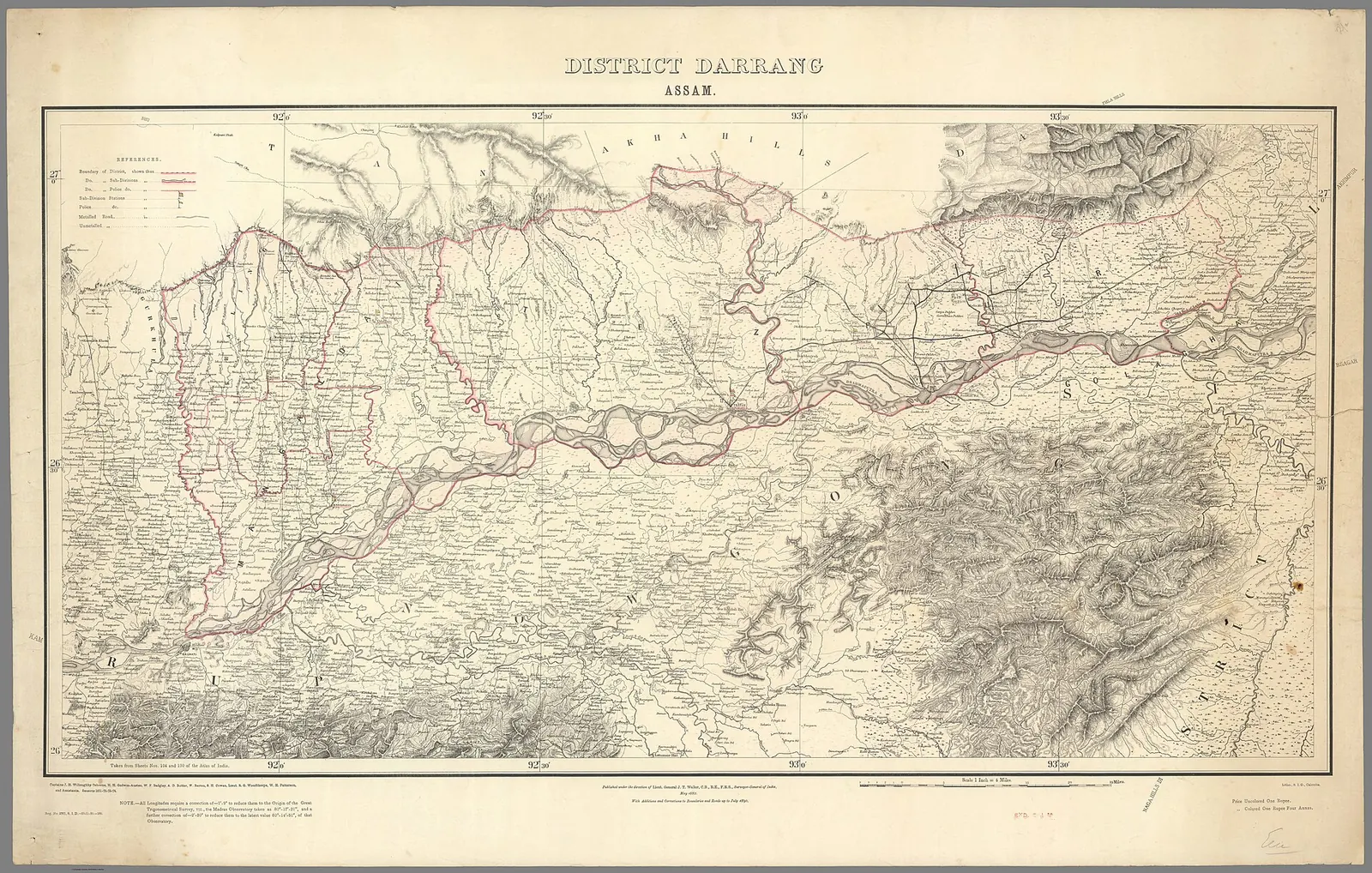
The research summarised below shows that the line was notified district by district:
- Cachar: 20 August 1875;
- Lakhimpur: 30 September 1875;
- Darrang: 8 March 1876;
- Sibsagar: 21 June 1876;
- Chittagong Hill Tracts: 30 June 1879.
What does the 1873 Regulation actually say?
The Regulation is short, and its teeth are in Sections 3, 5 and 7. Reading the current text on Indian Kanoon, this is what it does:
- Section 3: anyone barred from crossing who goes beyond the line without a pass can get up to one year in jail, a fine of up to ₹1,000, or both. These figures come from a 1925 amendment; the original penalty, per the 2025 paper below, was up to six months.
- Section 4: the government can set the form of the pass, attach conditions and charge a fee. Break a condition and the Section 3 penalty applies.
- Section 5: rubber, wax, ivory and other forest produce found on a convicted person can be confiscated. The 1925 amendment widened this to books, maps, photographs, films and curios, which tells you the colonial worry had shifted from trade to information.
- Section 7: a non-native cannot acquire land beyond the line without government sanction. This is the clause that matters most to communities today.
- Sections 8 to 10 dealt with killing and catching elephants and were repealed in 1880.
The elephant sections are the giveaway. The Kheda department was set up in Cachar in 1875 to monopolise elephant capture, and hunting elephants was part of hill life.
The Inner Line was a revenue fence first, and a cultural shield only after 1947.Sapta, summarising Thianghlima and Robin (2025)
An archival history that traces the Regulation from Ahom-era frontier policy through British "forward policy" debates to the present. The authors give the district-by-district notification dates from 1875 to 1879, note that Indian and British subjects alike needed a pass from a Superintendent or Deputy Commissioner, and show how the 1919 "backward tracts" and the 1935 "Excluded Areas" layered on top of it. They argue the line began as an economic and security tool and only became a shield for tribal culture after 1947, via the Bordoloi Committee and the Sixth Schedule. Limit: it is a narrative history built on secondary colonial sources, with no new quantitative data.
Read the paper (free)How did a colonial fence survive independence?
It survived because the hill states asked for it. After 1947 the same land-and-entry clause that once protected tea revenue became the main legal guard against land transfer to outsiders in small tribal populations. The 2025 paper links this shift to the Bordoloi Committee and the Sixth Schedule.
The regime has been edited many times: parts covering the Garo Hills were repealed in 1897 and the Chittagong Hills in 1903, while the line stayed in what became Arunachal Pradesh, Nagaland and Mizoram.
Manipur joins in 2019
The newest addition is Manipur. President Ram Nath Kovind signed the order extending the regime to Manipur on 11 December 2019, two days after the announcement in the Lok Sabha, and it took effect on 1 January 2020.
The timing was not an accident: the Citizenship (Amendment) Act, 2019 exempts areas under the Inner Line from its provisions, so getting the ILP was the quickest way for a state to shelter under that exemption.
| Year | Event | What it means for a rider |
|---|---|---|
| 1873 | Bengal Eastern Frontier Regulation, 27 August | Origin of the ILP |
| 1875 to 1879 | Inner Line notified in Cachar, Lakhimpur, Darrang, Sibsagar, Chittagong Hill Tracts | The line becomes physical |
| 1880 | Elephant sections repealed | Revenue motive fades |
| 1925 | Penalties raised to 1 year and ₹1,000 | Today's penalty |
| 1958 | Foreigners (Protected Areas) Order | PAP for non-Indians |
| 1963 | Foreigners (Restricted Areas) Order | RAP for non-Indians (Sikkim, Andamans) |
| 1974 | Ladakh opens to tourists | About 500 visitors that year |
| 2010 | Manipur, Mizoram, Nagaland relaxed from the foreigner PAP | Easier for foreign riding partners |
| 2019 to 2020 | ILP extended to Manipur; in force 1 January 2020 | Fourth ILP state |
| 2021 | Ladakh drops its permit for Indian tourists | No ILP for Nubra, Pangong (Indians) |
| December 2024 | PAP regime reimposed in Manipur, Mizoram, Nagaland | Foreign companions need a PAP again |
| 2025 to 2026 | Arunachal digitises ILP; Sikkim moves foreigner permits online | Apply online, carry a printout |
What are PAP and RAP, and why do they confuse riders?
Protected Area Permits and Restricted Area Permits are rules for foreigners, made under the Foreigners Act, 1946, not under the 1873 Regulation.
- PAP: the Foreigners (Protected Areas) Order, 1958 notified the belt between the Inner Line and the international border as protected. A standard PAP runs for 10 days and can be extended by 7.
- RAP: the Foreigners (Restricted Areas) Order, 1963 created restricted areas, mainly the Andaman and Nicobar Islands and Sikkim.
Where the confusion comes from
First, state governments use the same checkposts, and often the same offices, for both.
Second, for decades several border districts also asked Indian citizens for a district-level pass to visit areas close to the line of control: Nubra and Pangong in Ladakh, North Sikkim, the Kinnaur and Spiti border belt. Riders called all of these "ILP", but legally they were district magistrate orders, not the 1873 Inner Line.

The primary legal source. Section 2 empowers the government to notify the Inner Line; Sections 3 and 4 set the penalty of up to one year in jail and a ₹1,000 fine for crossing without a pass or breaching its conditions; Section 5 allows confiscation of forest produce and, since 1925, documents and photographs; Section 7 bars non-natives from acquiring land beyond the line without sanction; Section 11 makes offences bailable and triable by a first- or second-class magistrate. Limit: the online text carries a note that the original gazette publication could not be verified, and it shows state amendment notes rather than one consolidated national version.
Read the text (free)Why did Ladakh open, close and open again?
Ladakh opened to tourists in 1974, and visitors to Leh grew from about 500 that year to about 14,000 by 1980, according to Martijn van Beek's 1989 study in Himal. Interior areas near the Line of Actual Control stayed behind a permit line.
- 1 May 2014: a district magistrate circular dropped the requirement for parts of Leh district.
- 2017: it was reimposed.
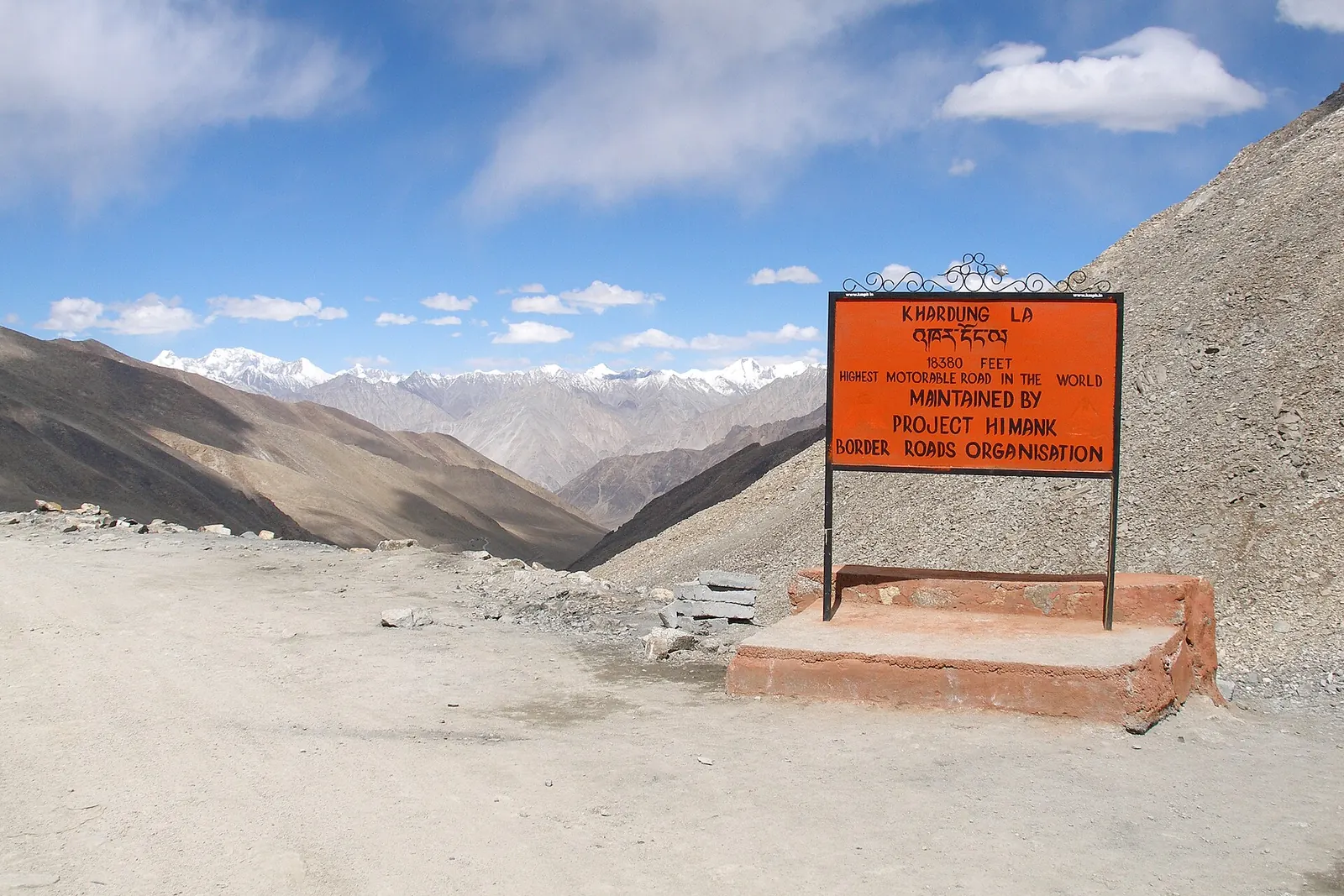
- August 2021: the Union Territory administration removed the permit for Indian tourists visiting the notified protected areas such as Khardung La and Nubra.
Before 2021 that permit cost a ₹300 environment fee plus a ₹100 Red Cross donation and a small daily wildlife fee.
What Indians still need in Ladakh
What remains is a mix of fees and checkpoint registration rather than a true ILP:
- registration at South Pullu and North Pullu on the Khardung La route;
- a Ladakh Environment Fee paid on the UT portal;
- since 2022, at least two days acclimatising in Leh before crossing.
Foreigners still need a PAP, unchanged by the 2021 order.
Which permit does an Indian rider need in 2026, state by state?
An Indian rider needs a true Inner Line Permit only in the four ILP states; everywhere else it is a local protected-area pass or simply registration. The Business Today explainer of October 2026 and the state rules give this picture:
| Region | Paper for Indians | Legal basis | Notes for riders |
|---|---|---|---|
| Arunachal Pradesh | ILP | BEFR 1873 | Online e-ILP or liaison offices in Delhi, Kolkata, Guwahati; tourist ILP 15 days, extendable |
| Nagaland | ILP | BEFR 1873 | Needed for Dimapur and Kohima; fee ₹200 for Indians per Wikipedia's summary |
| Mizoram | ILP | BEFR 1873 | Temporary ILP 15 days, extendable by 15; regular ILP 6 months |
| Manipur | ILP | BEFR 1873 (since 1 Jan 2020) | Online portal or checkposts |
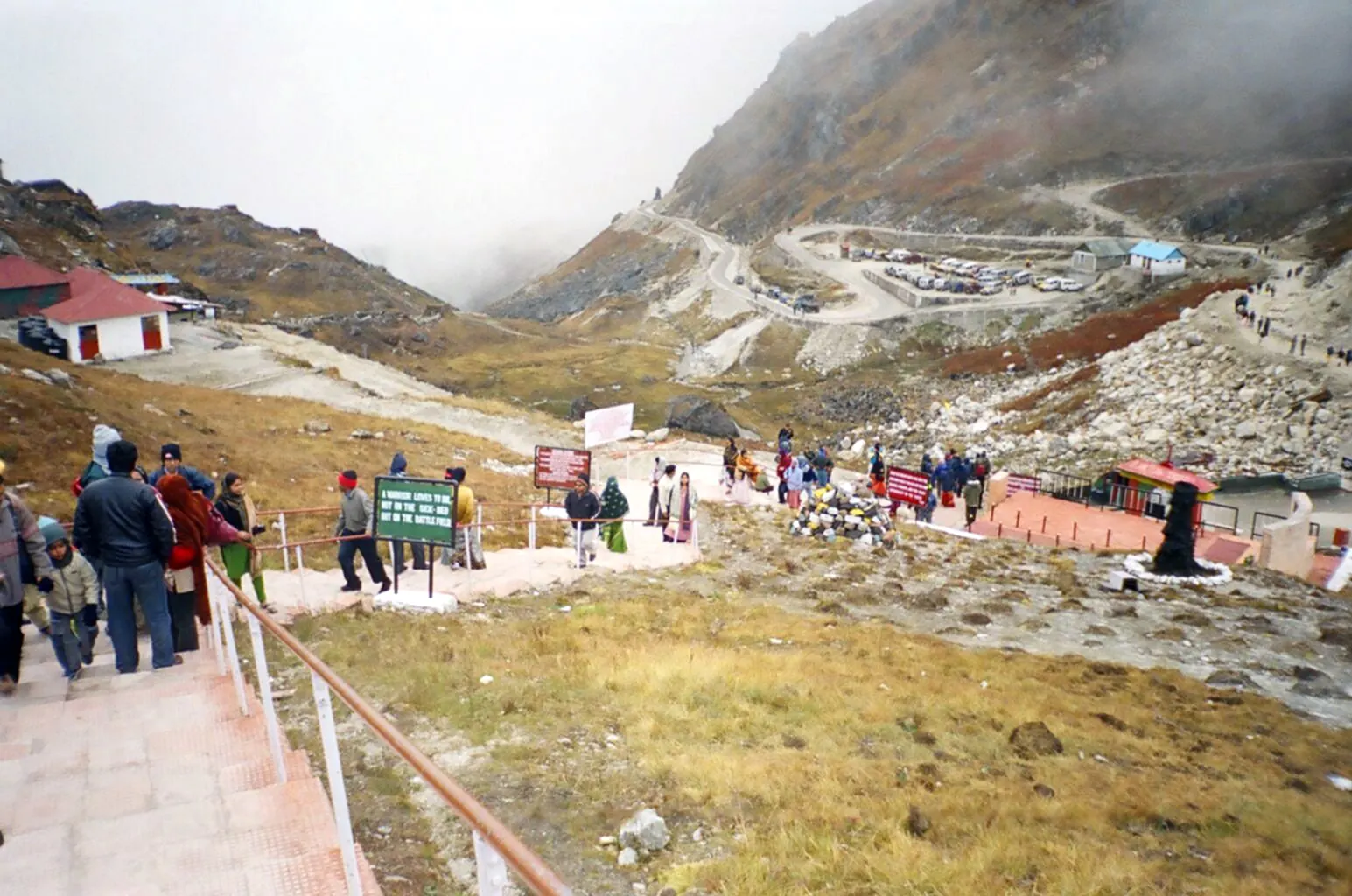
| Sikkim | None for Gangtok; PAP for Nathu La, Gurudongmar, parts of North Sikkim | State and district orders | Usually arranged through registered agents; permits can be pulled during landslides |
| Ladakh | No ILP since 2021 | UT order | Environment fee and checkpoint registration; border roads may need clearance |
| Himachal, Uttarakhand border belts | District inner line pass for some routes | District magistrate orders | Beyond Sumdo in Kinnaur-Spiti; Niti and Nelang valleys |
| Lakshadweep | Entry permit | UT administration | Not a riding destination, but the same idea |
See the data as a table
| Validity (days) | |
|---|---|
| Arunachal employment ILP | 365 |
| Mizoram regular ILP | 180 |
| Arunachal tourist ILP | 15 |
| Mizoram temporary ILP | 15 |
| Foreigner PAP (standard) | 10 |
Source: Wikipedia summaries of state ILP rules and the MHA protected-area regime · Extensions: Mizoram temporary +15 days; PAP +7 days.

Plan the ride around the shortest number on that chart. A 15-day tourist ILP for Arunachal is enough for the Bhalukpong to Tawang run and back via Sela and Dirang, but not for a slow loop that adds Ziro, Mechuka and the Anini road.
Either apply for an extension before it lapses or split the trip. Route-level detail for Tawang is in the Tawang ILP guide, and the Sikkim side is in the Sikkim permits guide.
What changed for permits in 2024, 2025 and 2026?
The trend since 2024 is tighter control, delivered online.
- 17 December 2024: the Home Ministry withdrew the 2010 relaxation and reimposed the Protected Area Regime in Manipur, Mizoram and Nagaland, citing security concerns about foreign influx. Foreign riding partners now need a PAP there again.
- November 2025: Arunachal's Chief Minister said a fully digital ILP system was ready at the backend, built to flag expired or forged permits in real time, after about 5,000 violators were detected between January and November 2025.
- January 2026: Sikkim stopped paper PAPs and RAPs for foreigners and moved them to the online e-FRRO system, with approvals in 24 to 48 hours; foreigners could then visit only Tsomgo, Yumthang and Zero Point.
What's new
- Explainer: why Indian citizens still need permits for parts of India Business Today, Oct 2026
- Sikkim ends paper PAP and RAP, makes online permits compulsory for foreigners News Arena India, Jan 2026
- Arunachal readies a fully digital ILP after about 5,000 violators found in 2025 News Arena India, Nov 2025
- Home Ministry reimposes the Protected Area Regime in Manipur, Nagaland and Mizoram The Assam Tribune, Dec 2024
Is the Inner Line still about protection or about control?
It is both, and the balance depends on which state you ask.
| Protection | Control |
|---|---|
| In Mizoram and Nagaland the ILP is popular because Section 7 keeps land in local hands; the 2019 CAA exemption made it more valuable. | The same permits are a security filter for districts on the China and Myanmar borders. |
| In Arunachal, student bodies and tribal forums have pushed the state to enforce it harder, not softer. | That is why foreigner rules tightened in 2024 even as Indian rules loosened in Ladakh. |
For a rider, the practical reading is simple: the paperwork is the price of entering places that chose to stay a bit closed, and it is usually cheap, quick and online.
If you want the bigger picture of how the Northeast is changing as a riding frontier, read the Northeast frontier essay, and for what happens when a region opens too fast, the Ladakh overtourism piece. The wider Yatri world is on the Ride Atlas page.
Questions people ask
Do Indians need an Inner Line Permit for Sikkim?
No. Gangtok and the main tourist towns need no permit for Indians. Nathu La, Gurudongmar Lake and parts of North Sikkim need a protected area permit, usually arranged through a registered agent, and Nathu La is open to Indians only from Thursday to Sunday.
Do Indians still need an ILP for Ladakh in 2026?
No. The Ladakh administration removed the permit for Indian tourists in August 2021. You still pay the Ladakh Environment Fee, register at checkpoints such as South and North Pullu on the Khardung La road, and follow the two-day acclimatisation rule in Leh.
What happens if I enter Arunachal without an ILP?
The 1873 Regulation allows up to one year in jail, a fine of up to ₹1,000, or both. In practice, Arunachal says it sent back the roughly 5,000 violators it found in 2025, and the digital system is meant to catch expired permits automatically.
Is the Inner Line Permit unconstitutional for Indians?
It has been challenged, including a 2022 Supreme Court notice on Manipur's extension, but it stands. The 2019 Citizenship Amendment Act itself recognises areas under the Inner Line by exempting them from its provisions.
Sources
- Indian Kanoon: The Bengal Eastern Frontier Regulation, 1873 (text as amended)
- Thianghlima and Robin: The Inner Line Regulation, Journal of People's History and Culture (2025)
- Business Today: From colonial lines to protected zones (2026)
- Wikipedia: Inner Line Permit (accessed 2026)
- Wikipedia: Protected and restricted areas of India (accessed 2026)
- Martijn van Beek: Ladakh and Tourists, Himal (1989)
- Free Press Journal: Indian tourists visiting Ladakh no longer require Inner Line Permit (2021)
- Wikipedia: Khardung La (permits, fees, acclimatisation rule) (accessed 2026)
- Wikipedia: Nathu La (tourist access) (accessed 2026)
- The Assam Tribune: MHA reimposes protected area regime (2024)
- News Arena India: Arunachal to tighten entry rules with digital ILP rollout (2025)
- News Arena India: Online permits now compulsory for foreign tourists in Sikkim (2026)
- Wikipedia: Lushai Expedition (source for the 1871 Alexandrapur story; accessed 2026)

Sapta (Saptarshi Sarkar) is a mechanical engineer turned marketer in Bengaluru and a solo touring rider. He writes the seven Saptaverse blogs. Work with him or read more of RoadHook Rides.