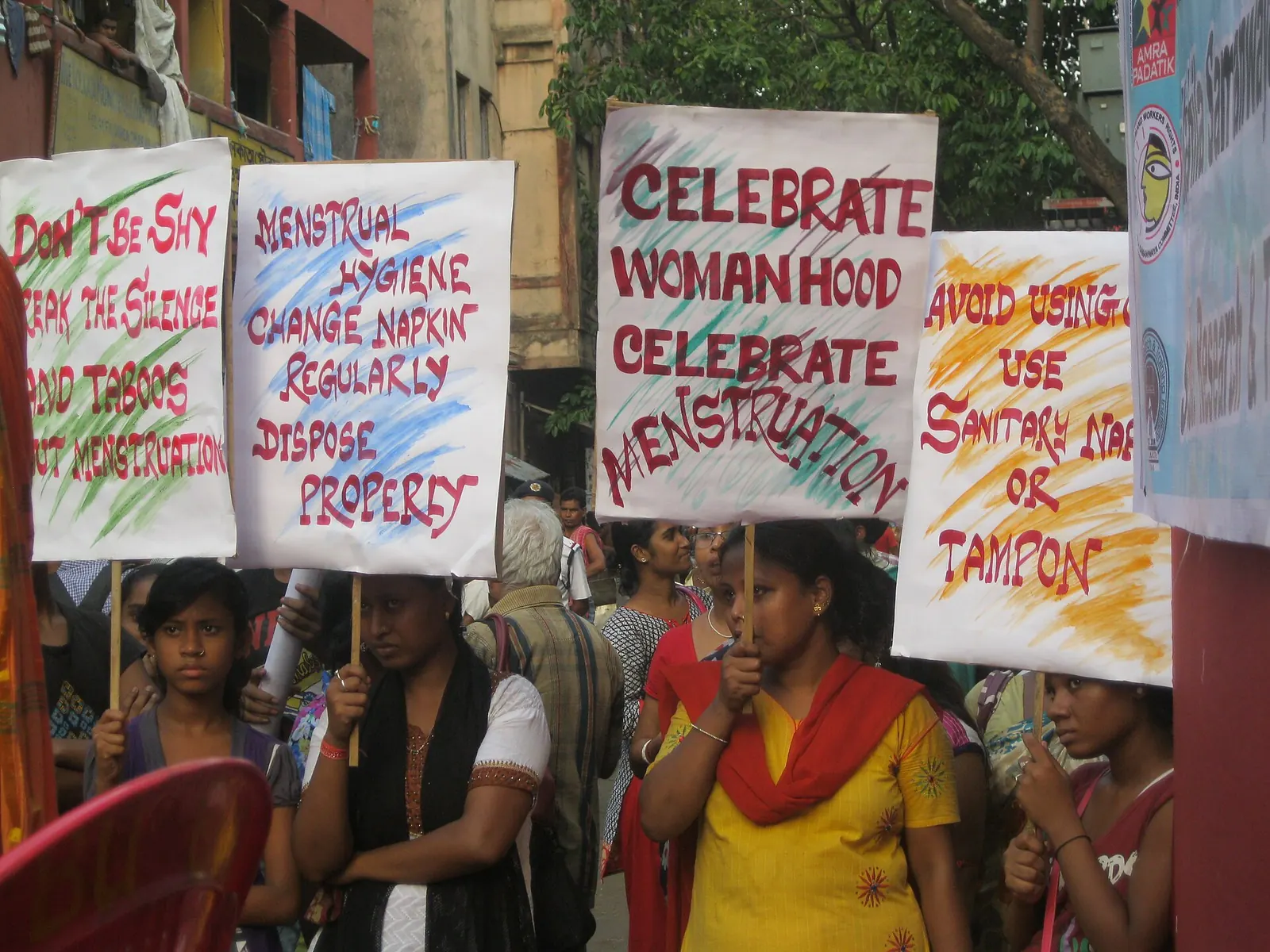
Many Indian women still hide their periods because a long-standing belief treats menstruation as ritually impure, which brings rules about kitchens, temples, touching and silence, and because shame keeps the subject out of homes and schools. The practical side is changing fast: NFHS-5 (2019-21) found 77.6% of women aged 15-24 use a hygienic method, up from 57.6% in 2015-16, but about half still use cloth at some point and Bihar is lowest at about 59%. In January 2026 the Supreme Court declared menstrual health part of the right to life.
- 77.6% of women 15-24 used a hygienic method in NFHS-5, up 20 points in five years.
- About 50% still used cloth at some point; schooling is the sharpest divide (44% hygienic with no schooling vs 90% with 12+ years).
- 77% of adolescent girls faced restrictions on religious activities during periods, across 138 Indian studies.
- Only 48% of girls knew about menstruation before their first period.
- The Supreme Court (30 January 2026) made menstrual hygiene part of Article 21 and ordered free pads and working toilets in schools.
Walk into a pharmacy in most Indian towns and ask for sanitary pads. The packet will usually come wrapped in newspaper or slipped into an opaque black bag, without a word. Nobody told the chemist to do it; nobody had to.
That small ritual is a fair summary of menstruation in India: a normal monthly event handled as something to conceal. This post separates the belief from the data. It explains what the taboos are and where they come from, how much has changed, where the gaps remain, and what courts have now ordered.
Why are women not allowed in the kitchen during periods in India?
Because in many Hindu households, and in some other communities, menstruation is traditionally seen as a state of ritual impurity, so a menstruating woman is kept away from food preparation, worship and sometimes from touching others for the first days. Believers describe it as a rule about purity and rest, not about hygiene.
The restrictions vary a great deal by family, caste, region and generation:
- Kitchen and food: not cooking, not touching pickles or water pots, eating separately.
- Worship: not entering the prayer room or temple, not touching idols or holy books.
- Household: sleeping on a separate mat or bed, not touching male relatives, washing everything used on the last day.
- Silence: not naming the period at all, using code words instead.
How common is it? A systematic review of 138 Indian studies covering 97,070 girls found a pooled 77% faced restrictions on religious activities during menstruation. Not every family follows these rules, and many urban families have dropped them, but for most adolescent girls in that research they were the norm.
In February 2020, at the Shree Sahajanand Girls Institute in Bhuj, Gujarat, a college run by followers of the Swaminarayan sect, the hostel had a rule: menstruating students must not enter the temple or the kitchen. After the hostel warden complained that some students were breaking it, students were pulled out of class and lined up. Two said they were menstruating. All were then taken to a washroom, where women staff reportedly made 68 young women remove their underwear to check whether they were on their periods. The National Commission for Women set up an inquiry, the State Women Commission ordered a police investigation, and police registered a case against college officials and the hostel supervisor.
Scroll.in: Gujarat, 68 girls allegedly forced to remove undergarments to prove they were not menstruating (Feb 2020)The Bhuj case was extreme, but the rule behind it was ordinary. The same belief that keeps a teenager out of her grandmother's kitchen was, in that hostel, enforced by an institution with power over its students. Where temple custom excludes women of menstruating age, the fight has reached the Supreme Court; see Sabarimala women's entry explained.
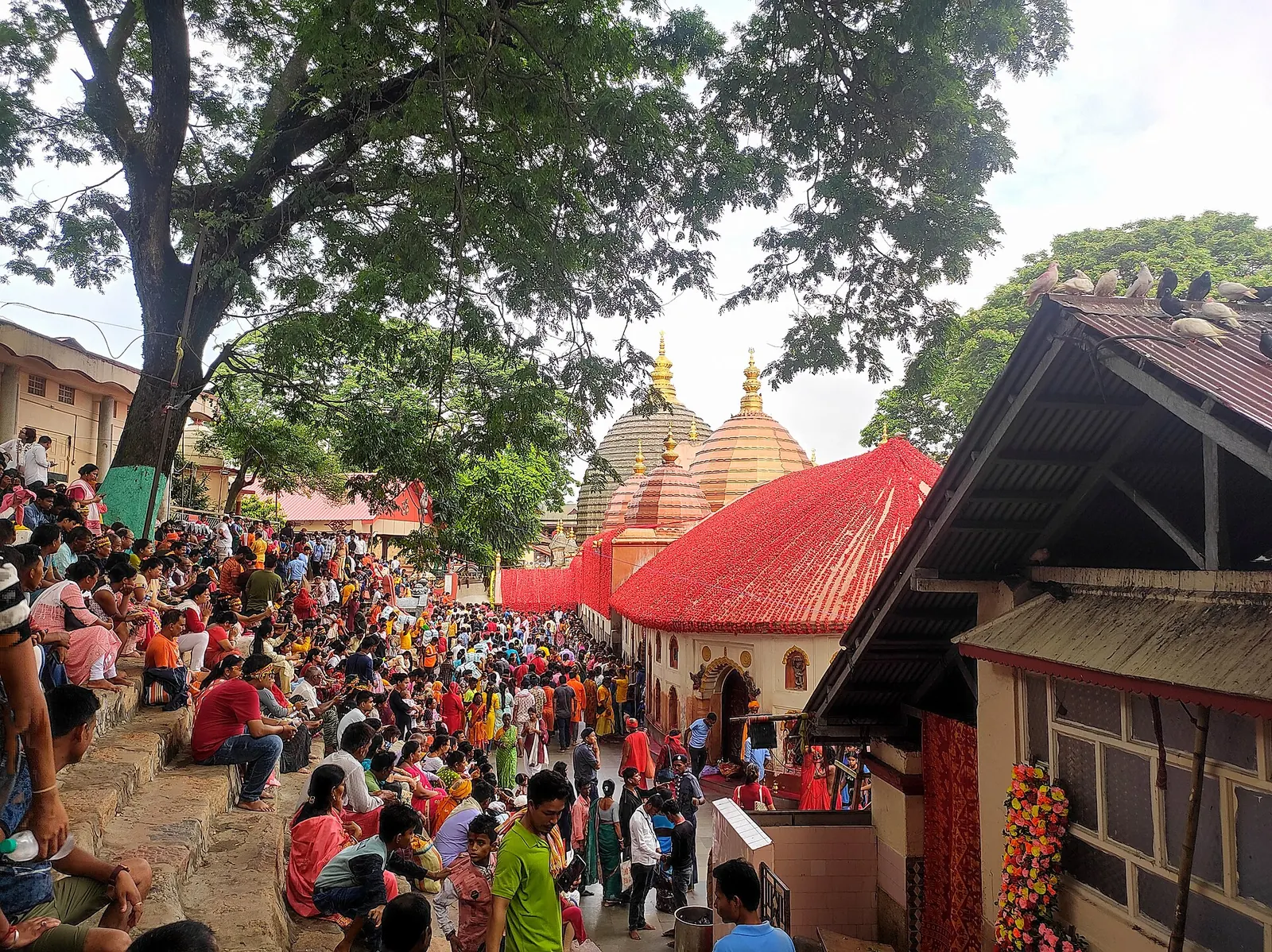
Why are sanitary pads wrapped in newspaper or black bags?
Because buying pads is treated as a private, slightly shameful act, and shopkeepers wrap them by habit so that nobody, especially men, sees the packet. The same stigma shapes disposal: used pads are wrapped, hidden and often thrown out or burnt in secret.
The silence has costs that research can measure:
- Only 48% of girls were told about menstruation before their first period (pooled across 88 studies).
- 24% of girls reported missing school during their periods (pooled across 64 studies).
- Only about half of girls' homes in the studies had a toilet; 92% of women in the NFHS-5 analysis by CEDA bathed in a bathroom shared with family.
How many Indian women use pads now?
NFHS-5 found 77.6% of women aged 15-24 used a hygienic method of protection, up from 57.6% in NFHS-4 (2015-16). NFHS counts locally made napkins, sanitary pads, tampons and menstrual cups as hygienic; cloth is not counted, because cloth that is not washed and dried properly can carry infection.
The headline hides an overlap: about 64% used sanitary napkins, 50% used cloth and 15% used locally prepared napkins, because many women combine methods. The bigger story is who is left behind.
See the data as a table
| Share using a hygienic method (%) | |
|---|---|
| No schooling | 44 |
| Lowest wealth quintile | 54 |
| Rural | 73 |
| India | 77.6 |
| Urban | 90 |
| 12+ years of schooling | 90 |
| Highest wealth quintile | 95 |
Source: NFHS-5 via PTI/ThePrint (May 2022) and CEDA Ashoka University · Hygienic: locally prepared napkins, sanitary napkins, tampons, menstrual cups.
Education and money matter more than geography. A young woman with no schooling is about half as likely to use a hygienic method as one with 12 years of school. The poorest quintile improved fastest, from 21.1% in 2015-16 to 53.6%, according to CEDA's analysis.
Which states lag, and which lead?
The lowest NFHS-5 shares were in Bihar (about 59%), Madhya Pradesh (61%) and Meghalaya (65%). The highest were in Puducherry (99.1%), Andaman and Nicobar (98.9%), Tamil Nadu (98.4%) and Lakshadweep (98.3%). Fifteen states and UTs were above 90%; eleven were below 80%.
Tap the states to see their shares.
Map: Women 15-24 using a hygienic menstrual method, NFHS-5 (2019-21)
- Puducherry: 99.1 %
- Andaman & Nicobar: 98.9 %
- Tamil Nadu: 98.4 %
- Lakshadweep: 98.3 %
- Delhi: 97.1 %
- Goa: 96.8 %
- Arunachal Pradesh: 92 %
- Mizoram: 91 %
- Sikkim: 86.3 %
- Nagaland: 80.6 %
- Meghalaya: 65.3 %
- Madhya Pradesh: 60.9 %
- Bihar: 59.2 %
Source: NFHS-5 via FactChecker, Morung Express, Down To Earth and PTI
| State or UT | Hygienic use, women 15-24 (NFHS-5) | Note |
|---|---|---|
| Puducherry | 99.1% | Highest |
| Tamil Nadu | 98.4% | Second highest state |
| Delhi | 97.1% | |
| Nagaland | 80.6% | Up from 73% in NFHS-4 |
| Meghalaya | 65.3% | Lowest in the Northeast |
| Madhya Pradesh | 60.9% | |
| Bihar | about 59% | Lowest, but up nearly 30 points in five years |
Odisha showed the largest gain between the two rounds, about 34 percentage points, followed by Rajasthan and West Bengal. The newer NFHS-6 round (2023-24) has been released, but we could not open its state fact sheets for this indicator, so this post uses NFHS-5; check the NFHS-6 tables for updates.
The urban picture is more uneven than the state averages suggest. A 2023 analysis of 54,561 urban women found two-thirds used hygienic methods exclusively, above 90% in Mizoram and Tamil Nadu but under 50% in urban Uttar Pradesh, Bihar, Chhattisgarh and Manipur.
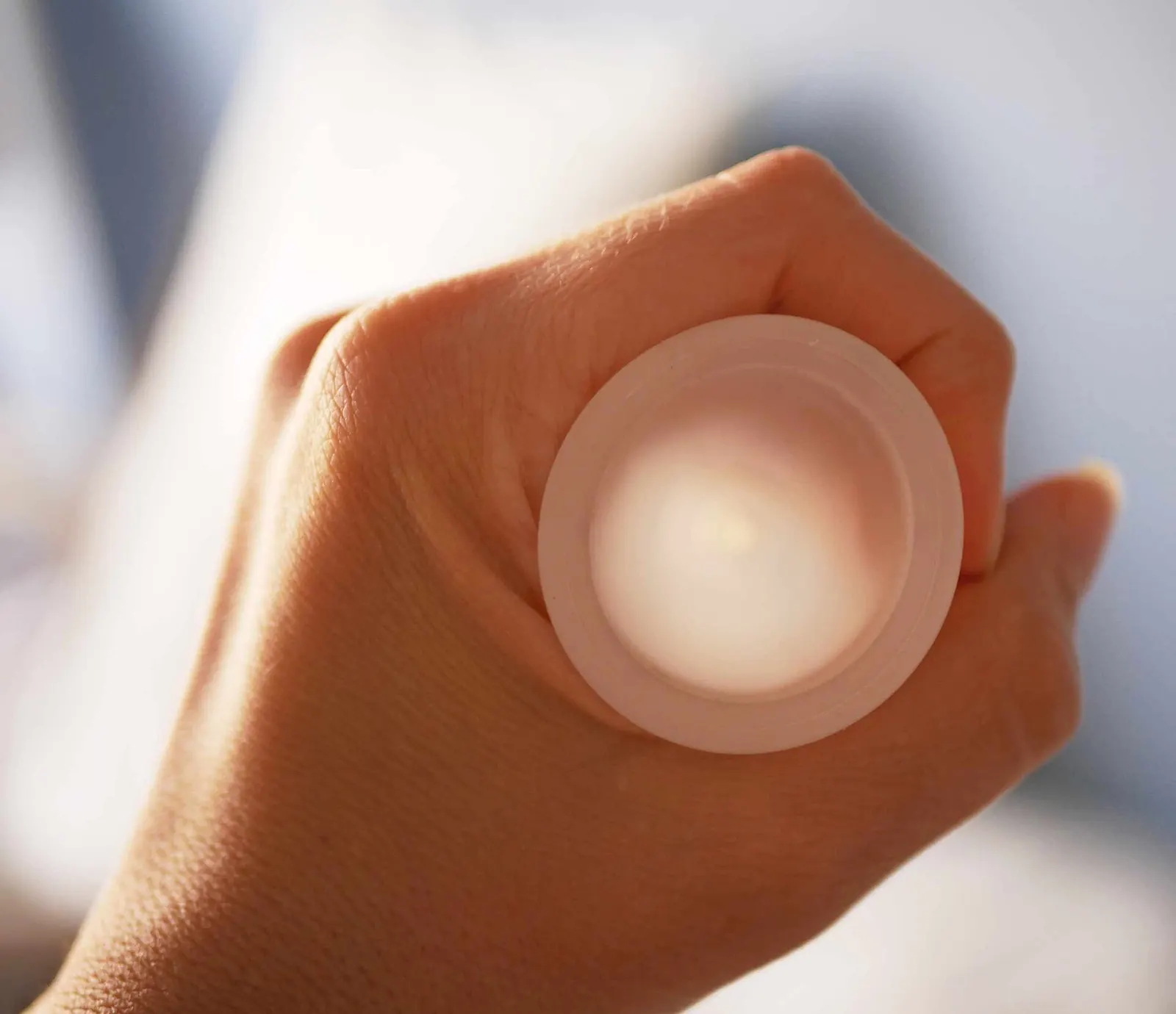
Is the taboo or the price the bigger barrier?
Both, and they reinforce each other. The data shows education is the strongest predictor of hygienic use, which suggests knowledge and confidence matter as much as money. But the poorest women are still the least likely to use pads, and cloth use rises sharply with poverty.
The government has attacked the price side:
- Menstrual Hygiene Scheme (from 2011) for adolescent girls in rural areas.
- Suvidha oxo-biodegradable pads at Jan Aushadhi stores, cut to ₹1 a pad in 2019; sales rose from about 22 lakh packs in 2018-19 to 2.19 crore packs between April 2019 and January 2021, per CEDA's reading of government data.
- Schools: the January 2026 Supreme Court ruling requires free pads, toilets and disposal in schools.
Taboos hit the parts that money does not fix: girls who cannot ask a father for pads, cloth dried indoors where nobody can see it instead of in the sun, and used pads hidden rather than disposed of. For how the fear of what people will say shapes many Indian choices, see log kya kahenge.
What did the Supreme Court rule in 2026?
On 30 January 2026, in Dr. Jaya Thakur v. Government of India, a bench of Justices J.B. Pardiwala and R. Mahadevan held that menstrual hygiene management is part of the right to life (Article 21) and the right to education (Article 21A). The 127-page judgment found that making girls choose between school and dignity violates the quality of education.
- Toilets: every school must have functional, gender-separated toilets with water and hand-washing.
- Free pads: schools must give girls free oxo-biodegradable sanitary napkins, by vending machine or a designated person.
- MHM corners: spare uniforms, innerwear and disposal bags in every school.
- Disposal and curriculum: safe disposal and gender-responsive teaching.
- Inspections: District Education Officers must inspect and collect anonymous feedback from students.
"A period should end a sentence, not a girl's education." Supreme Court of India, Jaya Thakur judgment, January 2026
The court kept the case open with a continuing mandamus and asked states for compliance reports. Whether the orders change a 13-year-old's month in a village school in Bihar is the test.
More in this series
Other NFHS-based posts in this series: the vegetarian India myth and alcohol use by state. On how custom and family pressure shape women's lives elsewhere, see dowry in 95% of marriages. More of the series is on the Kyun world page.
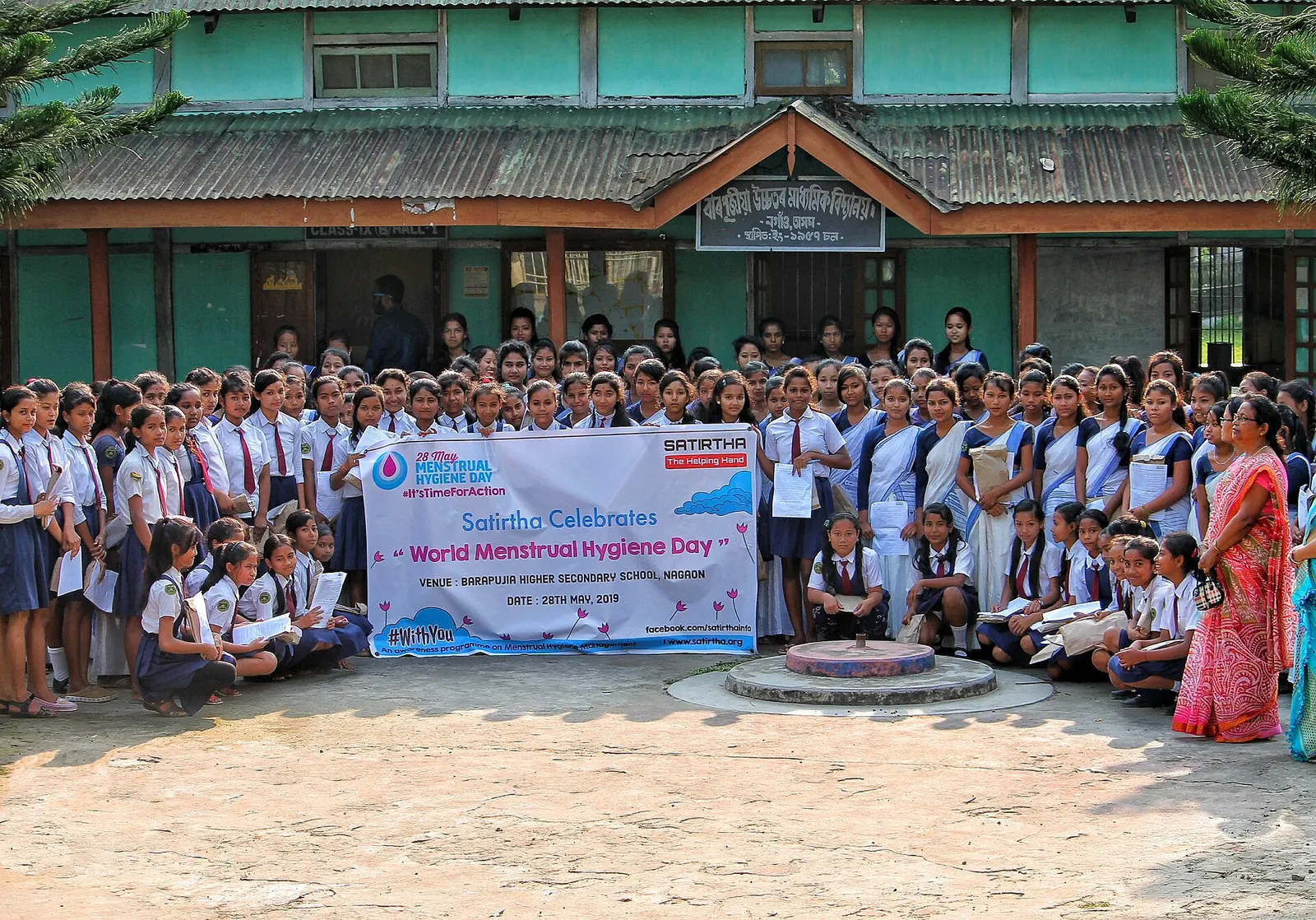
What do the research papers say?
The authors pooled 138 studies (2000 to 2015) covering 97,070 girls. Only 48% had been told about menstruation before menarche. Commercial pad use was 67% among urban girls and 32% among rural girls, and rising. Restrictions on religious activities affected 77%, and 24% missed school during periods. Limit: study quality was low on average (3 on a 0 to 7 scale), and the data predate NFHS-5.
Read the paper (free)Using NFHS-5 data on 54,561 urban women aged 15-24, the authors found two-thirds used hygienic methods exclusively. Use was above 90% in Mizoram and Tamil Nadu and below 50% in urban Uttar Pradesh, Bihar, Chhattisgarh and Manipur, with low-use districts next to high-use ones. Poverty, no schooling, no media exposure, no mobile phone and marriage before 18 predicted lower use. Limit: cross-sectional, urban only.
Read the paper (free)What's new
- Supreme Court rules menstrual hygiene part of the right to life, orders free pads in schools ThePrint, Jan 2026
- Decoding menstrual hygiene in India: the gains and the gaps CEDA, Ashoka University
Questions people ask
Why are women not allowed in the kitchen during periods in India?
Because many traditional households regard menstruation as a state of ritual impurity and keep menstruating women away from cooking and worship. Practice varies widely by family and region, and many urban families no longer follow it.
Why are sanitary pads wrapped in newspaper in India?
Shopkeepers wrap them out of habit, because buying pads is treated as private and embarrassing. It reflects the same stigma that keeps periods out of family conversation.
Can women enter temples during periods in India?
Many temples and families still discourage it, and some temple customs have been fought in court, most famously at Sabarimala. There is no general law banning menstruating women from temples.
What percentage of Indian women use sanitary pads?
NFHS-5 found 77.6% of women aged 15-24 used a hygienic method and about 64% used sanitary napkins, often alongside cloth.
Sources
- ThePrint (PTI): About 50% of women 15-24 still use cloth, NFHS-5 (2022)
- CEDA, Ashoka University: Decoding menstrual hygiene in India (2022)
- FactChecker: Not all women adopting safe practices quit unhygienic methods (2022)
- Down To Earth: More women opting for safe menstrual practices (2022)
- Morung Express: Hygienic menstrual protection in Nagaland, NFHS-5 (2022)
- van Eijk et al.: Menstrual hygiene management among adolescent girls in India, BMJ Open (2016)
- Singh et al.: Intra-urban differentials in hygienic methods, PLOS Global Public Health (2023)
- Scroll.in: Bhuj hostel case (2020)
- ThePrint: Supreme Court, Jaya Thakur v. Government of India (2026)

Sapta (Saptarshi Sarkar) is a mechanical engineer turned marketer in Bengaluru and a solo touring rider. He writes the seven Saptaverse blogs. Work with him or read more of Whyblog.


