
Six countries keep a whole-country time zone that is not a whole number of hours from UTC: India (UTC+5:30), Iran (UTC+3:30), Myanmar (UTC+6:30), Afghanistan (UTC+4:30), Nepal (UTC+5:45) and Sri Lanka (UTC+5:30). Ranked by World Bank 2024 population, India's 145 crore people come first, followed by Iran's 9.2 crore. Parts of Australia (South Australia and the Northern Territory, UTC+9:30), Canada (Newfoundland, UTC−3:30) and a few islands also use fractional offsets, bringing the total to about 1.69 billion people, roughly 21% of the world.
- Six countries keep a whole-country fractional offset: India, Iran, Myanmar, Afghanistan, Nepal, Sri Lanka.
- 1.69 billion people, about 21% of humanity, live on :30 or :45 clocks.
- 86% of them are Indian, on UTC+5:30.
- Nepal's +5:45 is the most populous 45-minute zone, set to 86.25°E in 1986.
- The rule behind all of them: longitude ÷ 15° = hours from UTC.
The criterion here is population living under the offset, using World Bank 2024 estimates for countries and the latest official state or provincial estimates for regions. Offsets come from the IANA Time Zone Database (tzdb), the reference every phone and computer uses.
Each country chose its fraction for the same basic reason: it wanted clock noon close to solar noon at its capital or centre, and that meridian did not fall on a multiple of 15°.
Which countries have 30-minute time zones?
India, Iran, Myanmar, Afghanistan and Sri Lanka use :30 offsets for the whole country, and Nepal uses :45. Below them come regions inside larger countries:
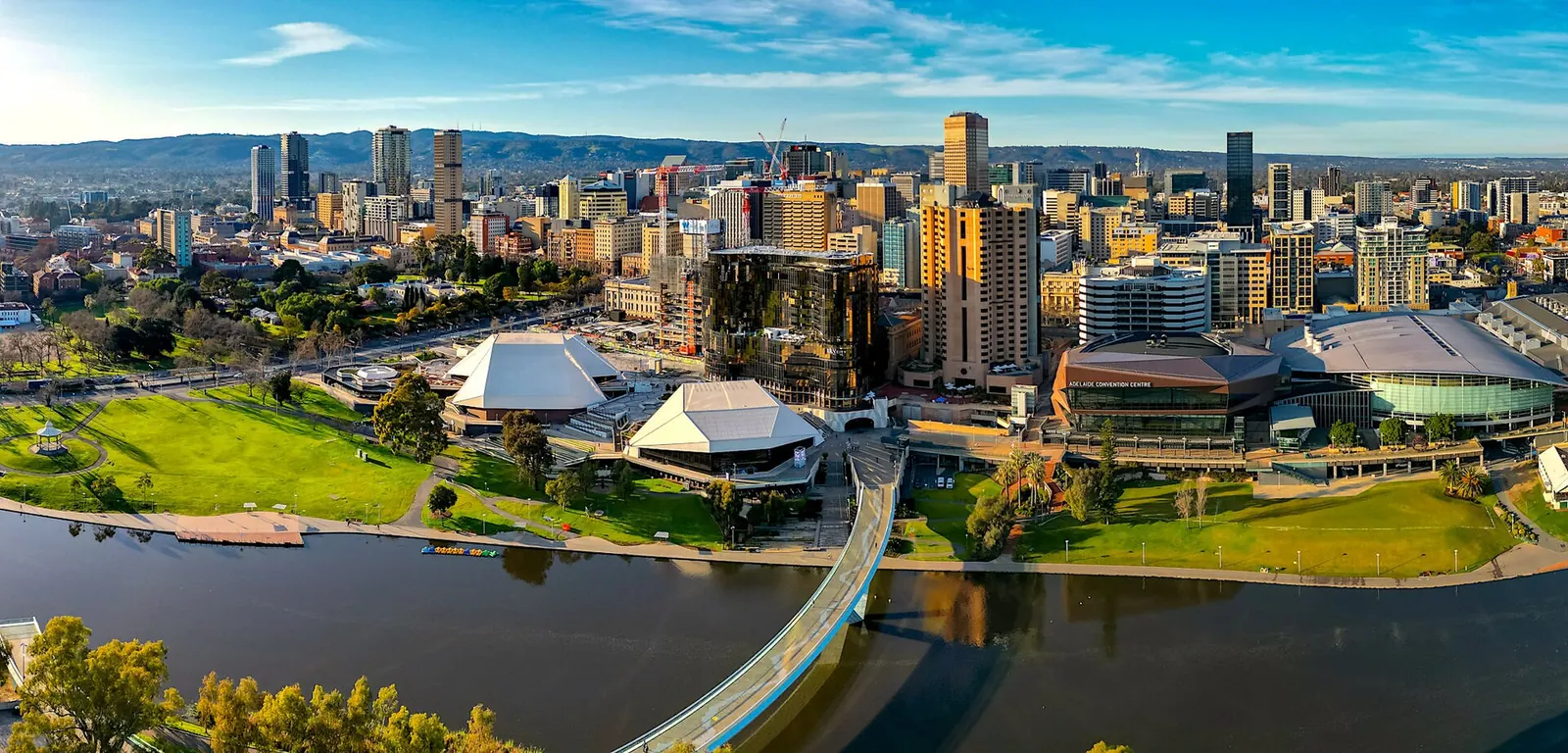
- South Australia and the Northern Territory in Australia (UTC+9:30);
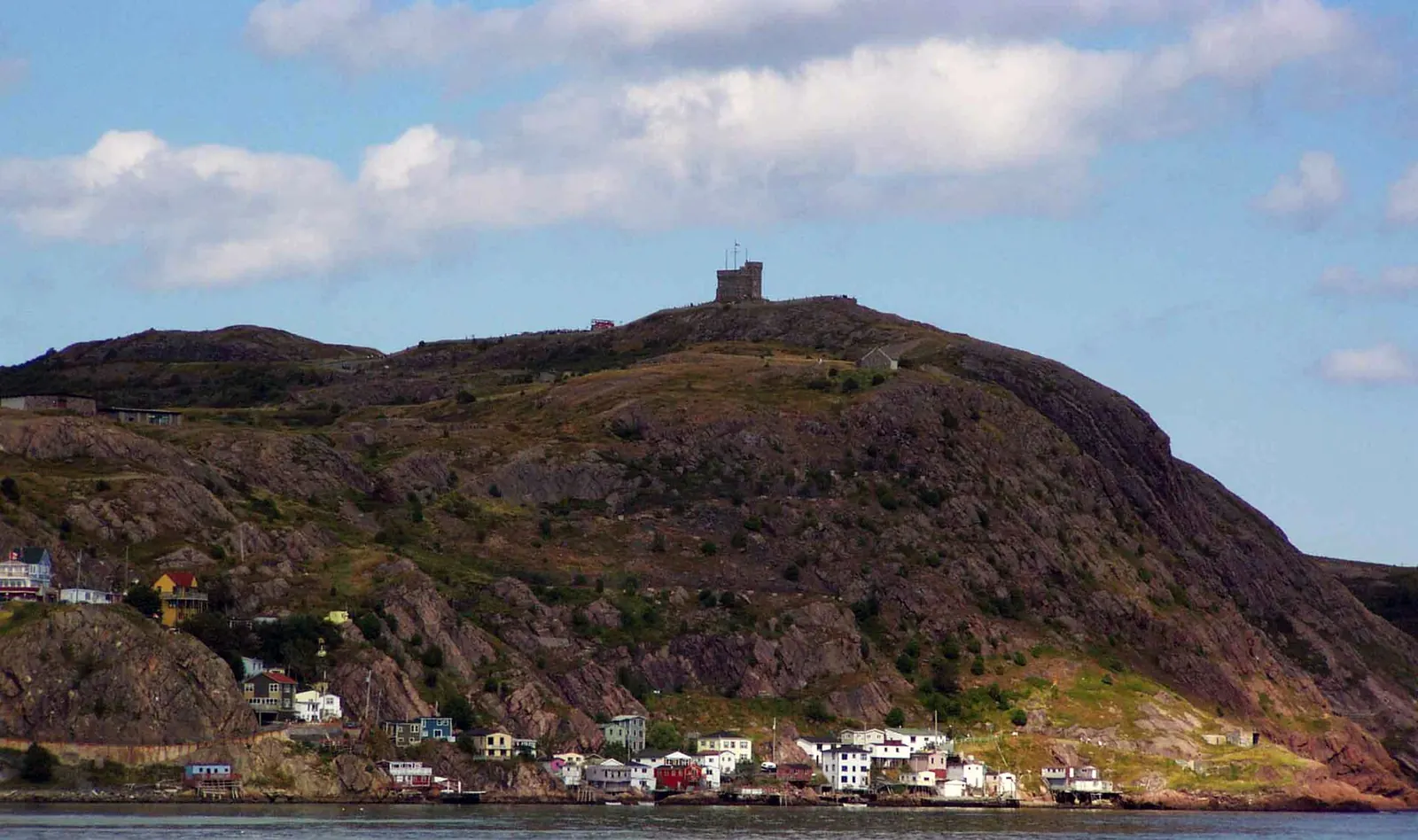
- Newfoundland in Canada (UTC−3:30);
- the Marquesas Islands in French Polynesia (UTC−9:30);
- the Cocos (Keeling) Islands (UTC+6:30);
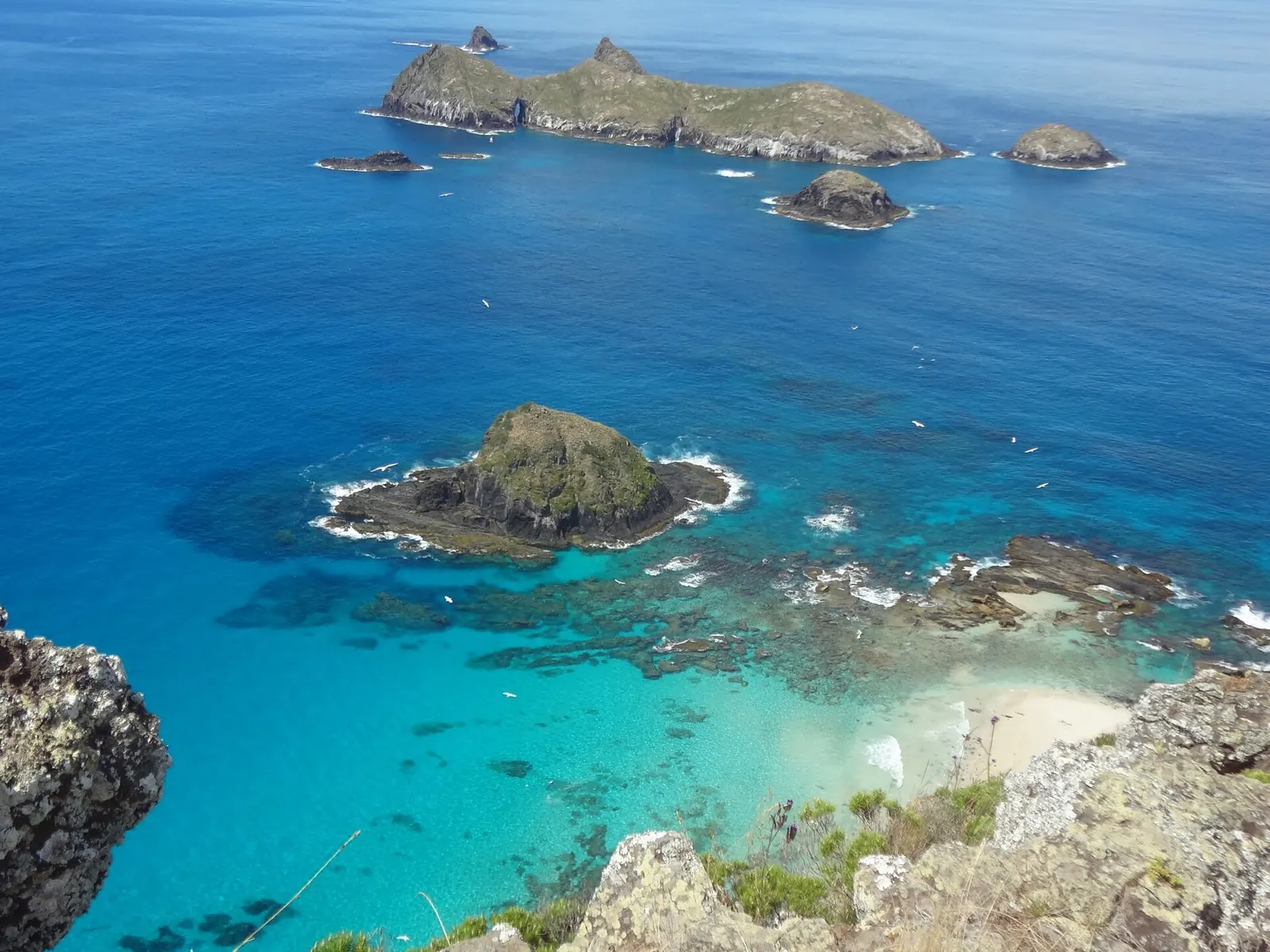
- Lord Howe Island (UTC+10:30);
- New Zealand's Chatham Islands (UTC+12:45).
See the data as a table
| Population (million) | |
|---|---|
| India (+5:30) | 1450.9 |
| Iran (+3:30) | 91.6 |
| Myanmar (+6:30) | 54.5 |
| Afghanistan (+4:30) | 42.6 |
| Nepal (+5:45) | 29.7 |
| Sri Lanka (+5:30) | 21.9 |
| South Australia (+9:30) | 1.92 |
| Newfoundland and Labrador (−3:30) | 0.55 |
| Northern Territory (+9:30) | 0.27 |
Source: World Bank Open Data (SP.POP.TOTL, 2024); ABS (March 2026); Newfoundland and Labrador Statistics Agency (April 2026) · Newfoundland and Labrador figure is for the whole province; most of Labrador uses Atlantic time, so the population on UTC−3:30 is somewhat lower.
The ranking
| Rank | Country or region | Standard offset | Population |
|---|---|---|---|
| 1 | India | UTC+5:30 | 145.1 crore |
| 2 | Iran | UTC+3:30 | 9.16 crore |
| 3 | Myanmar | UTC+6:30 | 5.45 crore |
| 4 | Afghanistan | UTC+4:30 | 4.26 crore |
| 5 | Nepal | UTC+5:45 | 2.97 crore |
| 6 | Sri Lanka | UTC+5:30 | 2.19 crore |
| 7 | South Australia | UTC+9:30 (+10:30 in summer) | 19.2 lakh |
| 8 | Newfoundland (Canada) | UTC−3:30 (−2:30 in summer) | under 5.5 lakh |
| 9 | Northern Territory | UTC+9:30 | 2.7 lakh |
Clock meridian against the capital's sun
| Country or region | Clock meridian | Capital's local mean time (tzdb) | Offset in use since |
|---|---|---|---|
| India | 82.5°E | Kolkata 5:53:28 | 1906 (as IST) |
| Iran | 52.5°E | Tehran 3:25:44 | 1935, again since 1978 |
| Myanmar | 97.5°E | Yangon 6:24:47 | 1920 (except 1942–45) |
| Afghanistan | 67.5°E | Kabul 4:36:48 | 1945 |
| Nepal | 86.25°E | Kathmandu 5:41:16 | 1986 |
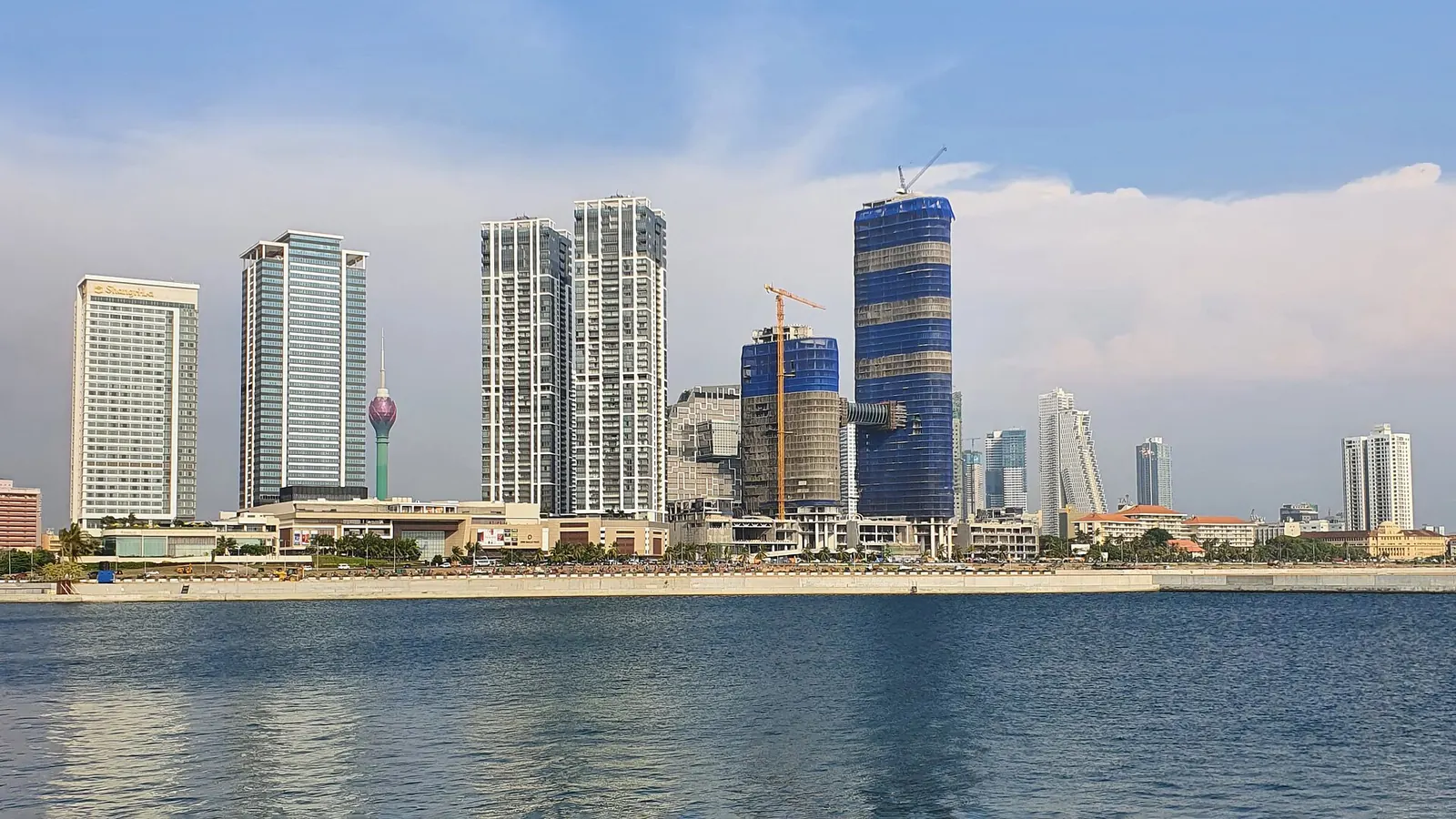
| Sri Lanka | 82.5°E | Colombo 5:19:24 | 2006 (also 1906 to 1996) |
| South Australia | 142.5°E | Adelaide 9:14:20 | 1899 |
| Newfoundland (Canada) | 52.5°W | St John's −3:30:52 | 1935 (rounded from local time) |
| Northern Territory | 142.5°E | Darwin 8:43:20 | 1899 |
The clock meridian is simply the offset times 15°, since the Earth turns 15° an hour. The local mean time column is the tzdb's record of the capital's own solar time before standard time arrived, and the gap between the two columns shows how far each country's clock is from its capital's sun.
Smaller :30 and :45 zones (Marquesas, Cocos, Lord Howe, Chatham, and the unofficial UTC+8:45 used around Eucla in Western Australia) have small populations and barely move the total.
Why would a country pick a 30-minute offset?
Because the hourly grid is arbitrary for anyone not living near a multiple of 15° longitude. Mean solar time at any place is its longitude divided by 15, in hours.
A country whose population centre sits near 82.5°E, like India, would put solar noon at about 12:30 on a UTC+5 clock and about 11:30 on UTC+6. Choosing UTC+5:30 splits the difference.
Most countries rounded to their capital's sun
The tzdb history shows how close most countries kept to their capital's sun:
- Tehran: local mean time UTC+3:25:44; Iran picked +3:30.
- Kabul: +4:36:48; Afghanistan picked +4:30.
- Yangon: +6:24:47; Myanmar picked +6:30.
- St John's: −3:30:52; Newfoundland simply rounded it to −3:30 in 1935.
India is the exception that proves the rule: its clock was set for the middle of the country, not the capital. The 82.5°E line runs near Mirzapur, and the full story of that choice is in why IST is UTC+5:30.
On 9 December 2007, Venezuela became the only whole country in the Western Hemisphere on a half-hour clock. President Hugo Chávez moved the nation back 30 minutes, to UTC−4:30, arguing that schoolchildren had to rise at five in the morning and reached class exhausted. Critics called it a whim; one Caracas analyst told Al Jazeera the computer and telecom changes would be costly but affordable. Chávez dismissed them: "I don't care if they call me crazy, the new time will go ahead." It went ahead, and stayed for eight and a half years, until Venezuela returned to UTC−4:00 in May 2016. The episode shows the logic of every fraction on this list: a government deciding that the sun, not the hourly grid, should set the clock.
Al Jazeera: Venezuela turns back time (Dec 2007)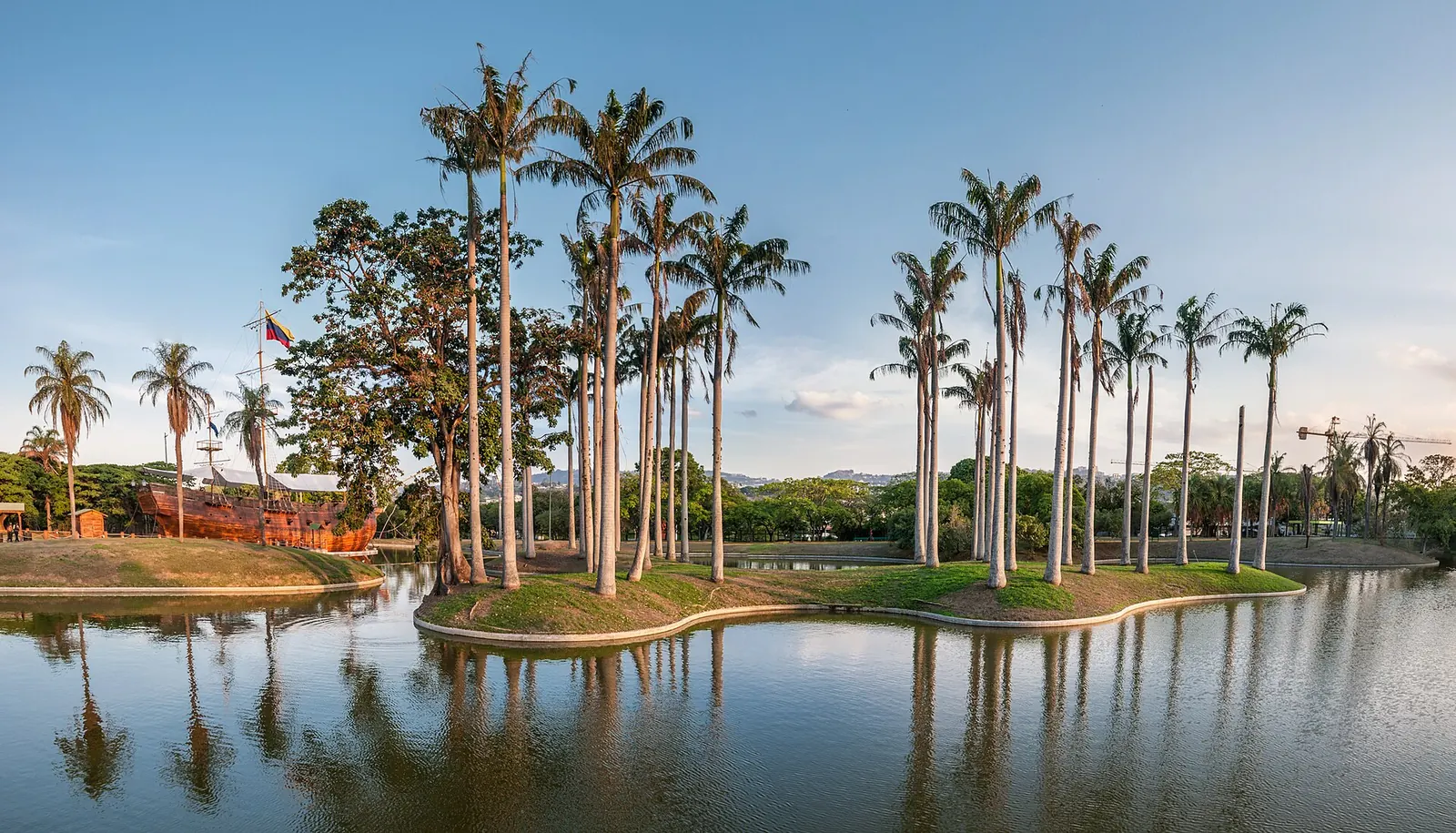
How far is your clock from the sun?
1. India (UTC+5:30)
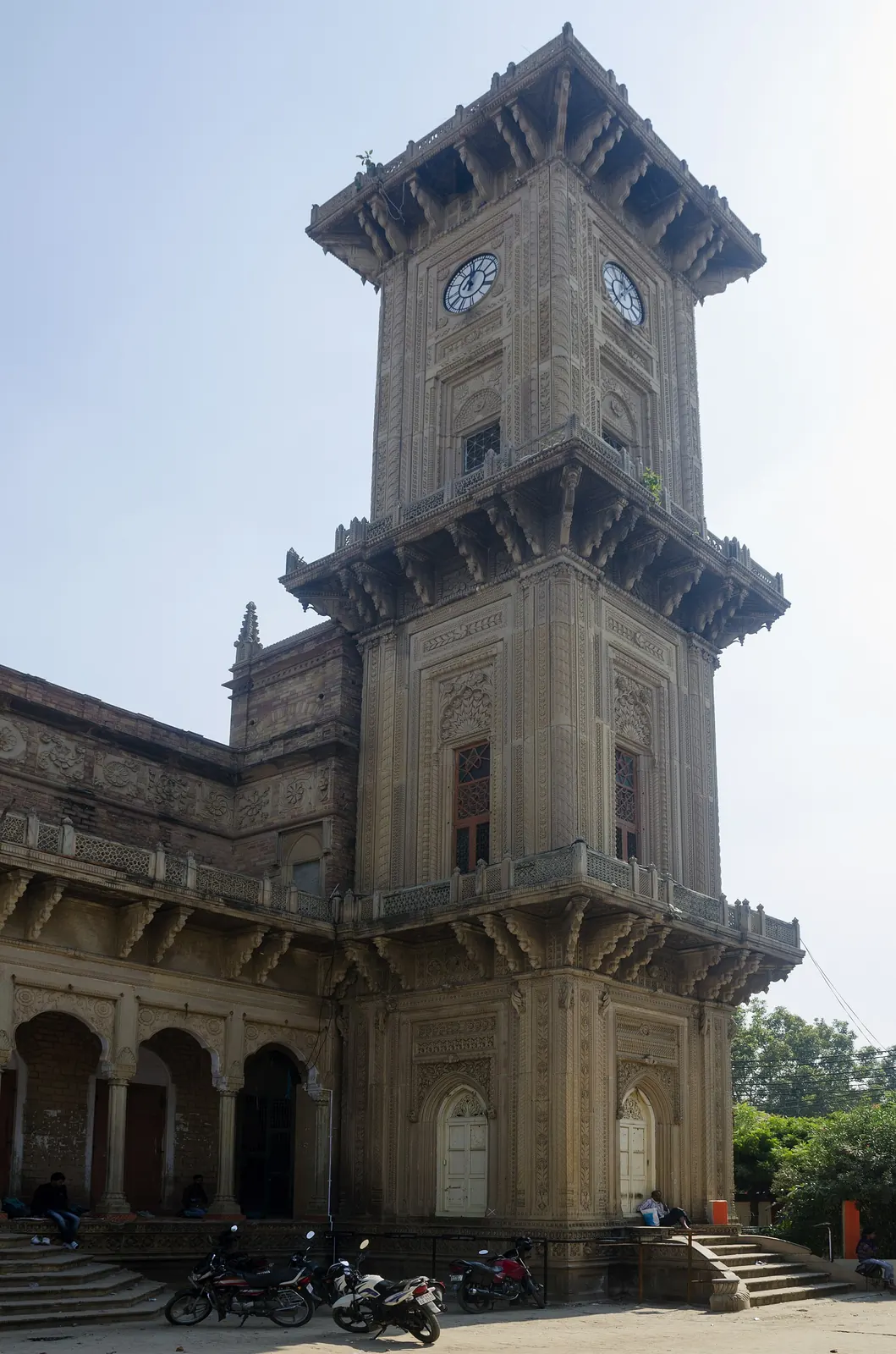
India is by far the largest :30 zone: 145.1 crore people in 2024, 86% of everyone on a fractional offset and nearly 18% of humanity. A single offset spans a country about 29° of longitude wide, so the sun rises close to two hours earlier in Arunachal Pradesh than in western Gujarat by the clock.
Calculated in this post from India's 1,450,935,791 people (World Bank, 2024), the 1.69 billion on fractional offsets summed above (86%) and the world total of 8,140,897,523 (World Bank, 2024; 17.8%).
That is the root of the long debate over a second zone, covered in why India has one time zone and what if India had two time zones. Before IST, cities kept their own times, as told in from Bombay Time to IST.
2. Iran (UTC+3:30)

Iran has used UTC+3:30 since 1935, apart from about a year on UTC+4:00 in 1977–78, according to the tzdb. It is now also one of the rare countries that dropped daylight saving: the IANA tz release 2022b recorded Iran's plan to stop observing DST permanently after clocks fell back on 21 September 2022.
That leaves Iran at a fixed +3:30 all year, one hour behind Kabul and two hours behind India.
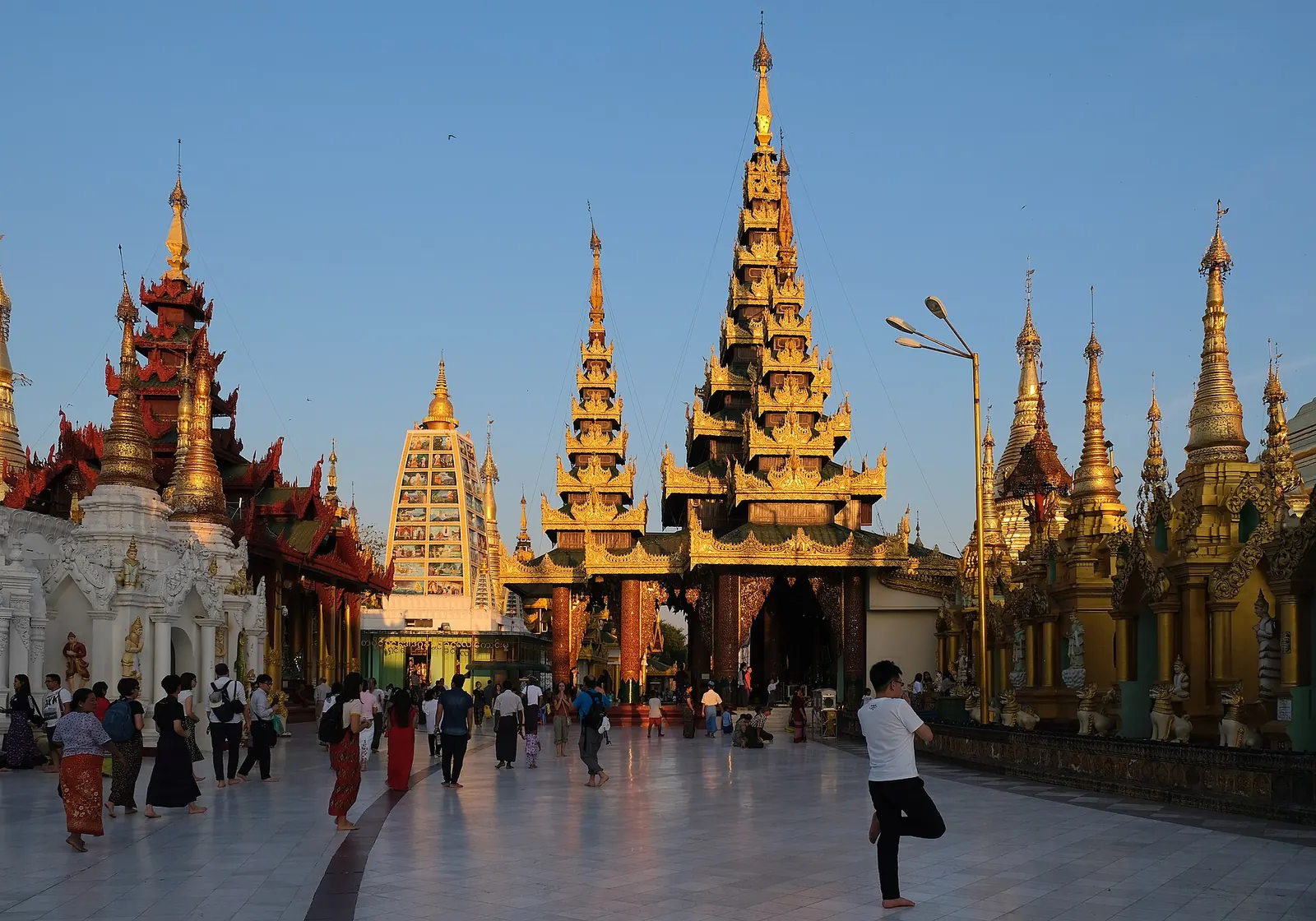
3. Myanmar (UTC+6:30)
Myanmar's offset dates to 1920, when Rangoon's local mean time of UTC+6:24:47 was rounded to +6:30. Apart from Japanese occupation time (UTC+9) in 1942 to 1945, it has not changed. The Cocos (Keeling) Islands, an Australian territory in the Indian Ocean, keep the same UTC+6:30.
4. Afghanistan (UTC+4:30)
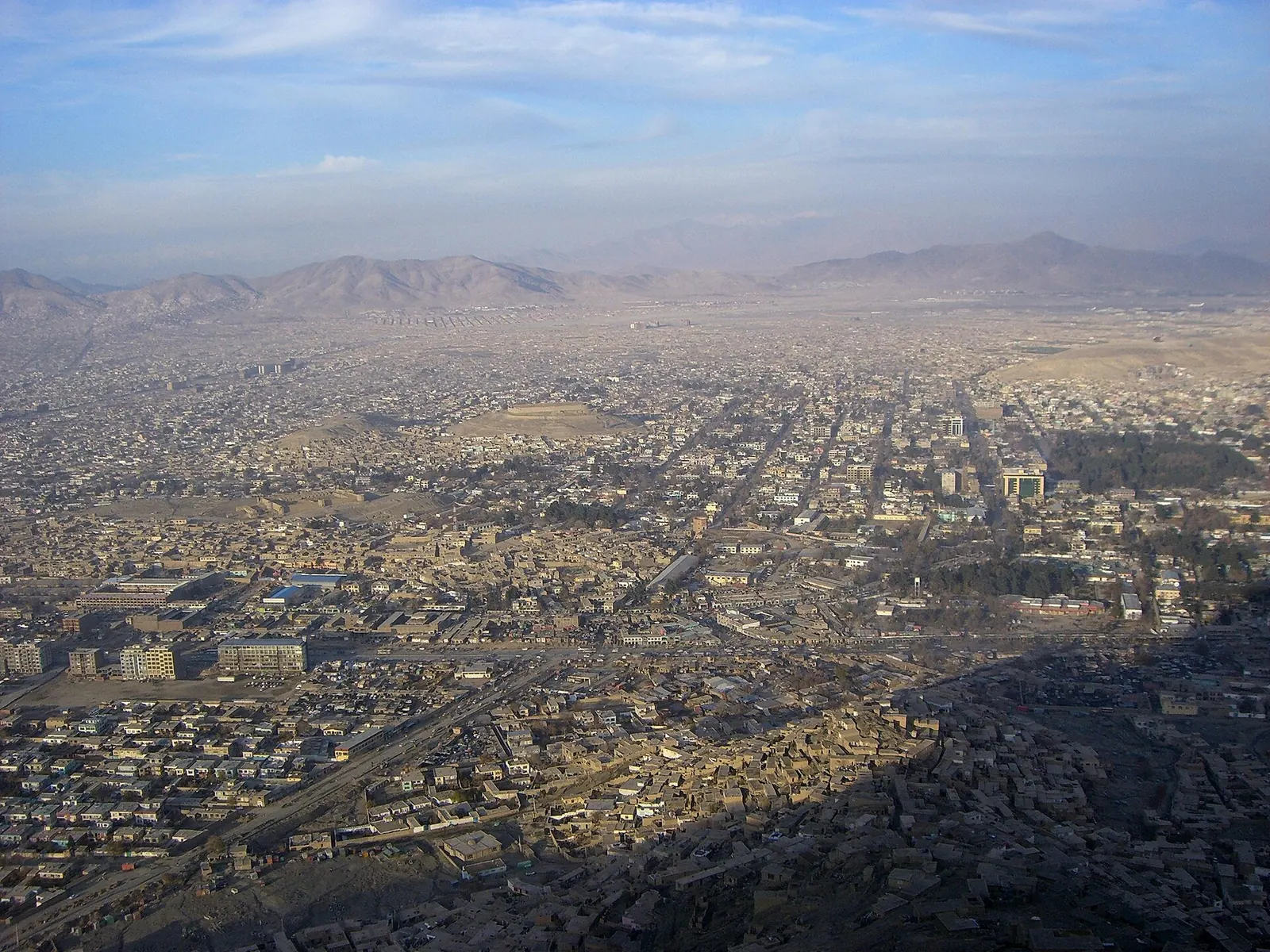
Afghanistan moved from UTC+4:00 to UTC+4:30 in 1945, closer to Kabul's mean solar time of +4:36:48, and has not observed daylight saving since. It sits an hour behind India.
5. Nepal (UTC+5:45): why 45 minutes?

Nepal moved from UTC+5:30 to UTC+5:45 in 1986, putting its clocks 15 minutes ahead of India's. The +5:45 offset corresponds to a clock meridian of 86.25°E, near the Gauri Shankar massif about 100 km east of Kathmandu, which Nepal adopted as its reference.
Calculated in this post from Nepal's +5:45 offset (IANA tz database): 5.75 hours × 15° per hour = 86.25°E.
Kathmandu's own mean solar time is UTC+5:41:16, so the new clock sits four minutes from the capital's sun, against eleven minutes on IST. It is the most populous 45-minute zone in the world; the only other official one is the Chatham Islands at UTC+12:45.
6. Sri Lanka (UTC+5:30)
Sri Lanka shares IST's offset, but not without detours. The tzdb records three moves:
- to UTC+6:30 in May 1996;
- to +6:00 that October;
- back to +5:30 in April 2006.
Colombo's local mean time is UTC+5:19:24, so +5:30 is the closest half-hour.
Which regions inside other countries use half-hour offsets?
South Australia and the Northern Territory (with Broken Hill in New South Wales) have used UTC+9:30 since 1899, so Adelaide and Darwin sit half an hour behind Sydney in winter. South Australia observes daylight saving (+10:30) and the Northern Territory does not, so in summer they are an hour apart.
Newfoundland uses UTC−3:30 with daylight saving (−2:30). Lord Howe Island is unique: UTC+10:30 with a half-hour daylight saving shift, to +11:00, under the tzdb's "LH" rule.
See the data as a table
| Clock minus local mean time (min) | |
|---|---|
| Kolkata (IST) | -23.5 |
| Tehran | 4.3 |
| Yangon | 5.2 |
| Kabul | -6.8 |
| Kathmandu | 3.7 |
| Colombo | 10.6 |
| Adelaide | 15.7 |
| St John's | 0.9 |
Source: IANA Time Zone Database (asia, australasia, northamerica files): local mean time entries; differences calculated by the author · Positive: clock ahead of the city's mean sun. Kolkata was India's historical reference; IST is set for 82.5°E, west of Kolkata.
Have any countries given up a half-hour zone?
Yes, two recently.
| Country | Moved to | Moved back |
|---|---|---|
| Venezuela | UTC−4:30, December 2007 | −4:00, May 2016 |
| North Korea | UTC+8:30, August 2015 | +9:00, May 2018 |
Both changes are logged in the tzdb, which is why old timestamps from those countries still convert correctly on your phone.
The newer trend: permanent time, not fractions
The 2025 and 2026 tzdb releases show the opposite trend elsewhere. Several jurisdictions have stopped changing clocks twice a year:
- Paraguay: permanent −03 from 2025;
- British Columbia: permanent UTC−7 from 2026;
- Morocco: permanent +00 from September 2026.
None of them adopted a fractional offset.
Does a clock that is off the sun do any harm?
The evidence says the bigger the mismatch, the more sleep people lose, because work and school start by the clock while the body follows the sun. Two studies give a sense of scale.
Using a spatial regression discontinuity at US time zone borders, where neighbouring counties have the same sun but clocks an hour apart, the authors compare people living just either side. An extra hour of natural light in the evening cuts sleep by an average of 19 minutes and raises reports of insufficient sleep, with higher rates of obesity, diabetes, cardiovascular disease and breast cancer, and lower per-capita income on the late-sunset side. Limit: US data, and the border design measures one-hour differences, so the effect of a 15- or 30-minute shift is an extrapolation.
Read the paper (free)The authors mapped the world's population, Human Development Index and disease burden (DALYs) by UTC offset, condensing fractional offsets into whole-hour bands. The largest population band, about 1,724 million people, fell in UTC+5, driven by South Asia, while UTC+1 had the most countries (about 40). They show that meetings scheduled for European or American office hours can put participants up to 11 hours away. Limit: condensing India's +5:30 into a whole-hour band hides exactly the fractional offsets this post ranks.
Read the paper (free)For India the practical cost falls mostly on the Northeast, where the sun runs about an hour ahead of the IST meridian, so winter evenings get dark long before the working day ends.
For Nepal, Iran and Myanmar, whose clocks sit within a few minutes of their capitals' sun, the fractional offset is the low-harm choice, not the odd one.
What's new
- IANA tz database releases 2025a to 2026f: Paraguay, Chile's Aysén, Alberta, Manitoba and Morocco move to permanent time; Cuba keeps summer time IANA, Oct 2026
- British Columbia adopts permanent UTC−7 after a final clock change on 8 March 2026 Government of British Columbia, Mar 2026
- Latest Time Zone Database release and download IANA, 2026
Questions people ask
Which countries have 30-minute time zones?
India, Sri Lanka (both UTC+5:30), Iran (+3:30), Afghanistan (+4:30) and Myanmar (+6:30) for the whole country, plus parts of Australia (+9:30, +10:30), Canada's Newfoundland (−3:30), the Marquesas (−9:30) and the Cocos Islands (+6:30).
Why does Nepal have a 45-minute time zone?
In 1986 Nepal set its clock to the meridian at 86.25°E, near Gauri Shankar, giving UTC+5:45. That is within four minutes of Kathmandu's mean solar time and kept Nepal's time distinct from India's.
Which country has the most people on a half-hour time zone?
India, with about 145 crore people in 2024, around 86% of everyone living on a fractional offset.
Are there time zones offset by 15 minutes?
Not today. The smallest fractions in use are :30 and :45 (Nepal, Chatham Islands and the unofficial Eucla zone). Historically, many places used local mean times with odd minutes and seconds until they adopted standard time.
Does Iran still change its clocks?
No. Iran stopped daylight saving after 21 September 2022 and stays on UTC+3:30 all year.
More data-backed answers to everyday Indian questions are on Kyun.
Sources
- IANA: Time Zone Database (2026) (offsets, local mean times and change dates from the asia, australasia, northamerica and southamerica files)
- IANA tzdb NEWS file (2026) (Iran DST end in release 2022b; 2025–26 changes)
- World Bank Open Data: Population, total (SP.POP.TOTL), 2024 (country populations and world total of 8.14 billion)
- Australian Bureau of Statistics: National, state and territory population, March 2026
- Government of Newfoundland and Labrador: Population at 1 April 2026
- Wikipedia: Nepal Standard Time (accessed Nov 2026) (86.25°E reference near Gauri Shankar)
- Giuntella, O. and Mazzonna, F.: Sunset time and the economic effects of social jetlag, Journal of Health Economics (2019)
- Crump, J.A. and Davies, T.M.: The world's population and health by time zone, BMJ Open (2022)
- Al Jazeera: Venezuela turns back time (2007) (Chávez's half-hour change and his stated reason)
- Government of British Columbia: B.C. adopts permanent daylight time (2026)
- Quora: Why is Nepal's time zone a fraction of an hour different from India's?

Sapta (Saptarshi Sarkar) is a mechanical engineer turned marketer in Bengaluru and a solo touring rider. He writes the seven Saptaverse blogs. Work with him or read more of Whyblog.


