The Agra gem scam is a confidence trick in which a friendly local, after days of building trust, offers you easy money to send gems abroad in your name "to avoid tax". The parcel is then "seized by customs", fake officials threaten you with jail or loss of your passport, and you are pushed to pay thousands of dollars to make the problem go away. There is no legal or real version of this deal: if anyone in India asks you to carry, post or guarantee gems for profit, walk away.
- The con runs on trust built over days: meals, tips and new friends come first, the "business" last.
- The demand is usually thousands of dollars or euros, for a "customs problem" that does not exist.
- In 2024 Jaipur police said a US visitor paid about ₹6 crore for jewellery worth about ₹300; the "diamonds" were moonstones.
- Telling a treated or fake stone from a real one takes lab spectroscopy, not a loupe and a certificate from the seller.
- Cheating is BNS 318 (old IPC 420); posing as customs or police is BNS 204 (old IPC 170).
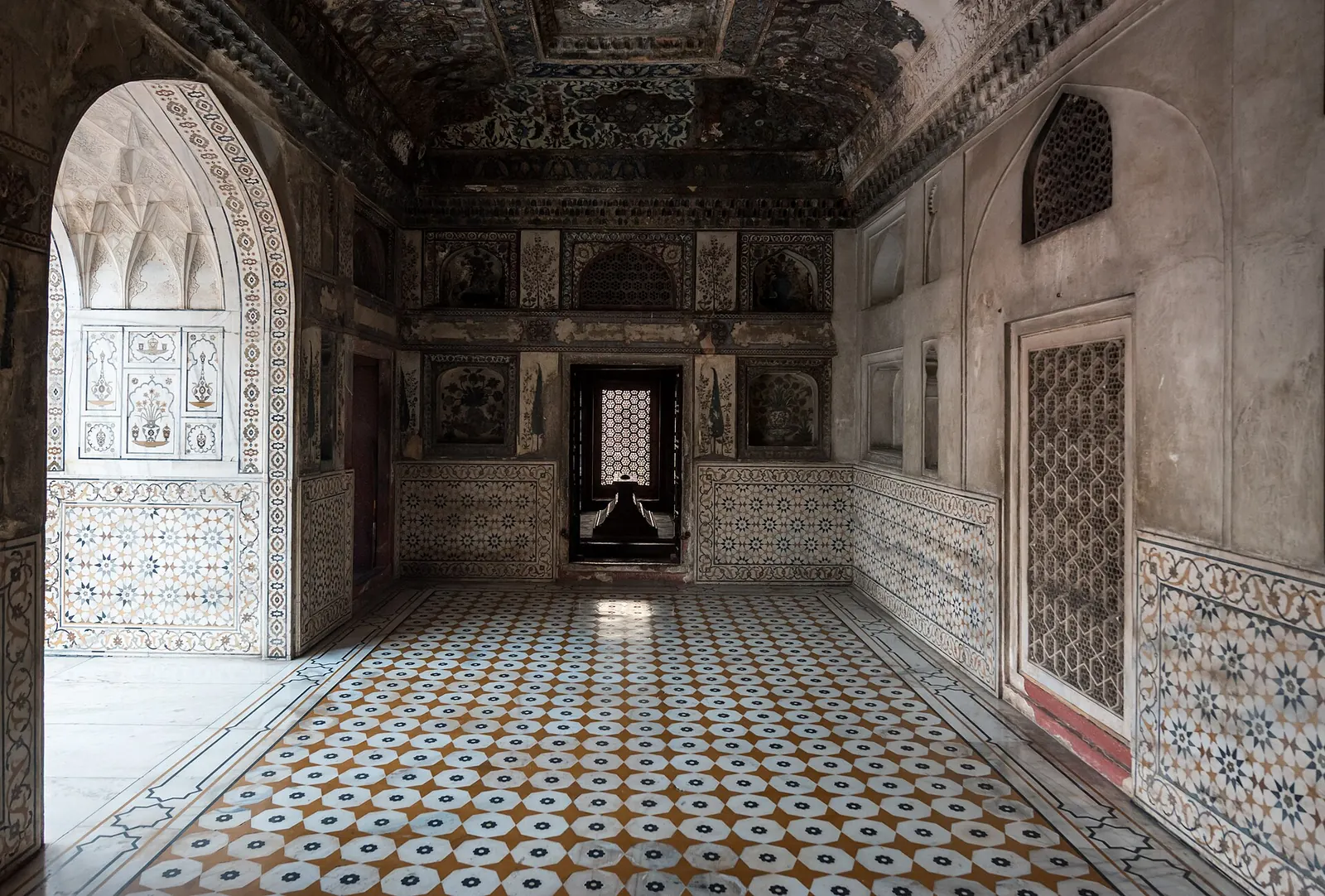
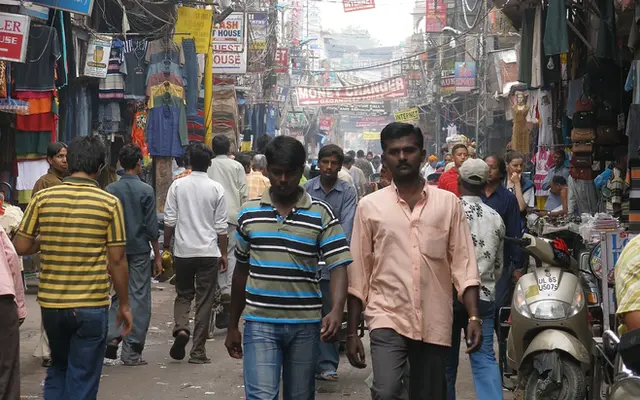
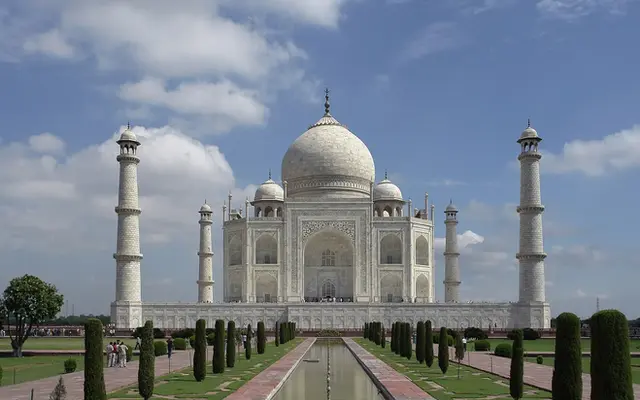
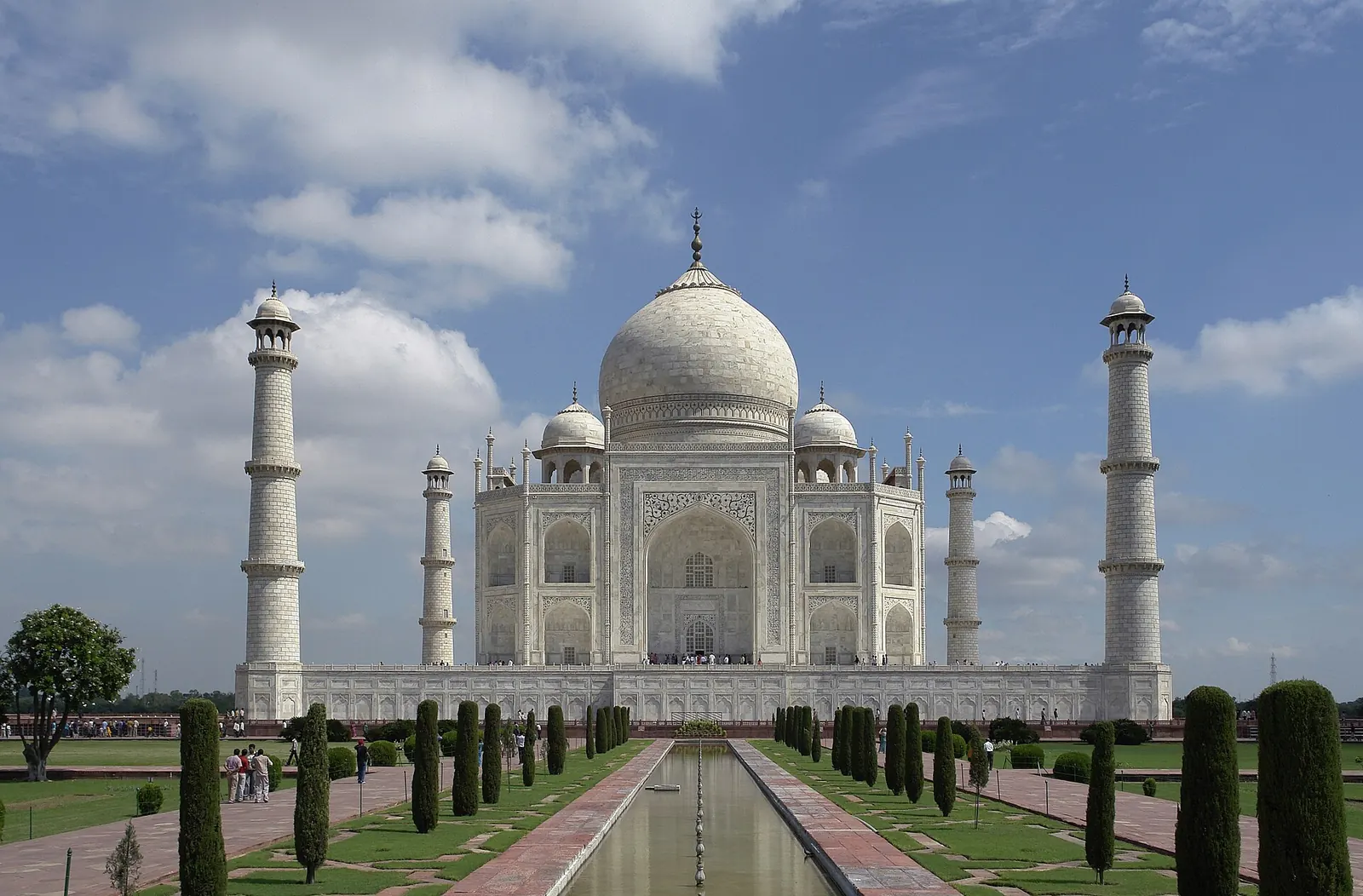
The Taj Mahal alone drew about five million visitors in 2022-23, and the monument earned ₹297 crore in ticket revenue over five years, more than any other site under the Archaeological Survey of India, according to a 2025 government report. Where there are that many first-time visitors with cash and cards, there is a tout economy.
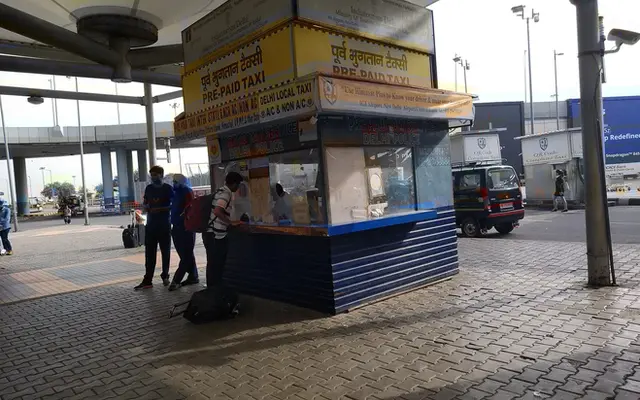
Most of that economy is petty: inflated guide fees and commissions on marble inlay. The gem scam is the big-ticket end of it. A Vienna gem dealer whose staff have travelled the subcontinent since 1984 names New Delhi, Agra, Jaipur and Mumbai as the main hunting grounds, and northern India as the worst.
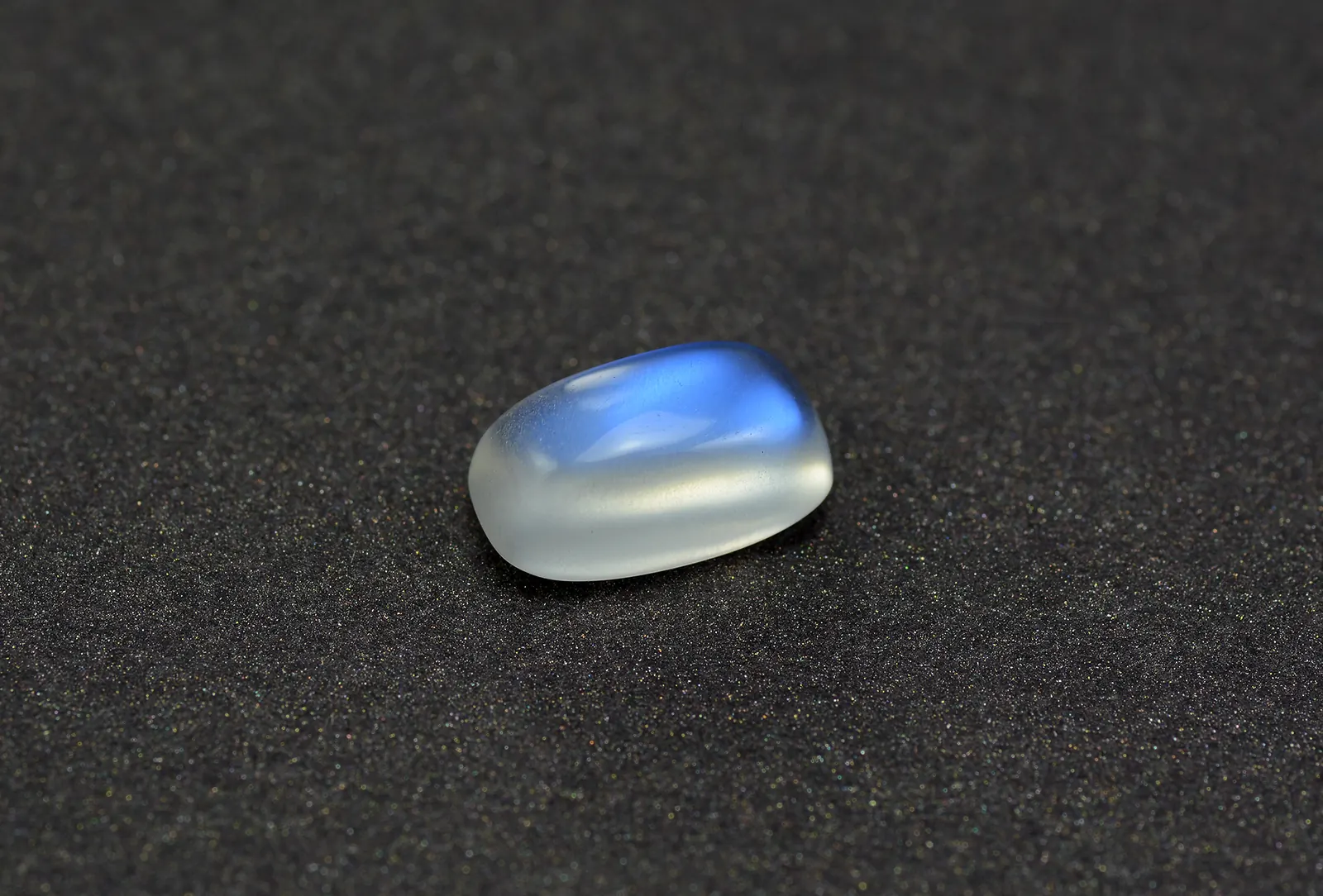
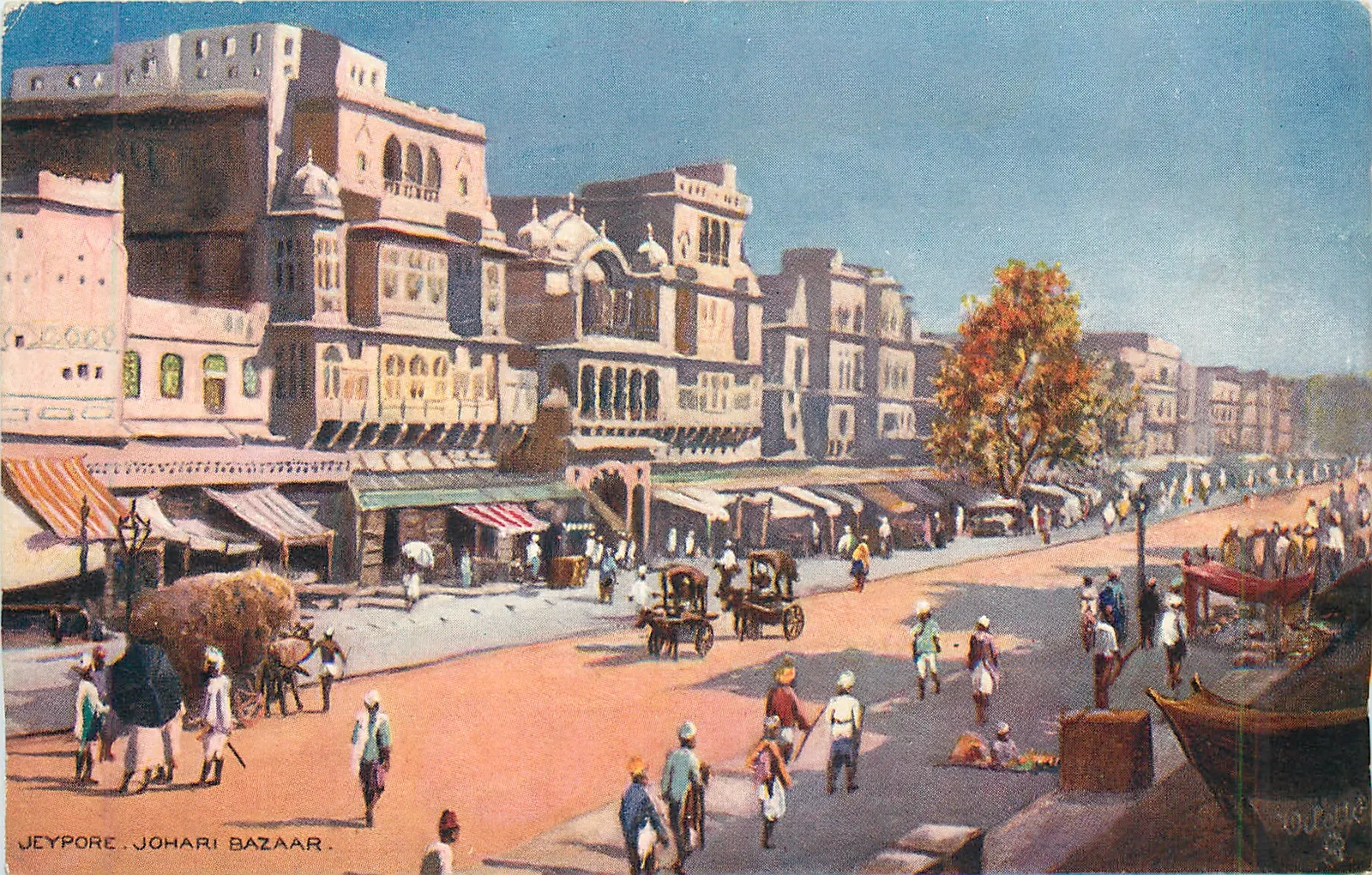
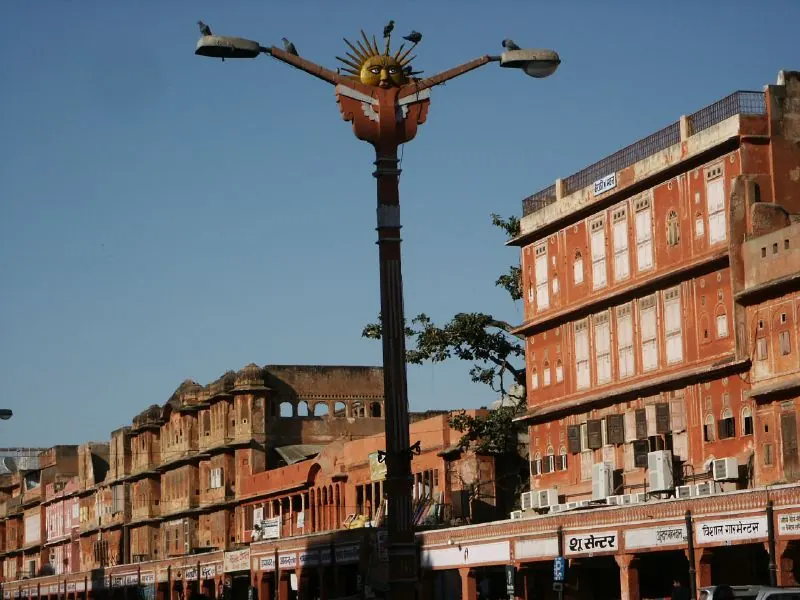
In 2022 an American woman began buying jewellery over Instagram from a shop in Johri Bazar, Jaipur's old jewellery market, and over about two years paid roughly ₹6 crore. Each piece came with a hallmark certificate. Back in the US she displayed one at an exhibition and was told it was counterfeit. She flew back to Jaipur to confront the shopkeeper. Police testing found that the "diamonds" were moonstones and the gold was far below the 14 carats promised; they put the real value at about ₹300. Police arrested the man accused of issuing the fake hallmark certificate and searched for the shop owners, who denied the allegations and filed a counter-complaint that police said CCTV footage contradicted.
The Independent via Yahoo News: US woman tricked into spending ₹6 crore on fake jewellery (June 2024)That case is a sales fraud rather than the classic courier con, but it shows the two things every gem scam relies on: a stone you cannot test yourself, and a piece of paper that seems to settle the question.
How does the Agra gem scam work, step by step?
The gem scam is a slow advance-fee fraud: you are promised a reward, then made to pay to protect it. The Vienna Gem Center's account of the Indian version, built from victims who came to them, runs in this order.
- The friendly approach. A local starts a conversation on a harmless pretext and seems to want nothing.
- Days of friendship. Tips, meals, an introduction to his friends. Trust is the investment.
- The offer. A friend who deals in gems needs stones sent to a customer in Europe. Shipping them in a tourist's name, he says, avoids tax. It is "legal, risk-free" and takes an hour.
- The reward. A few hundred or thousand rupees, or a share of the profit.
- The parcel. The stones are packed in front of you and you post and declare them yourself.
- The reversal. Next day: customs has seized the parcel, the declared value was far below the real value, and this is tax fraud.
- The threat. Lawsuit, passport confiscation, jail. Fake customs officers phone or visit; fake plain-clothes police may appear.
- The fix. A "settlement" or baksheesh of thousands of dollars, which the friends say they cannot afford, so you must pay, often at a bank.
The variants
- The guarantee: instead of posting the parcel, you are asked to pay by card as a "deposit" or "guarantee" to the partner abroad, who never pays you back.
- The overpriced purchase: as in Jaipur, you buy stones or jewellery at a "wholesale" price with a certificate from the seller; the stones are glass, synthetic, treated or simply worth far less.
- The pressure squad: fake customs officers or police, by phone or in person, which turns a cheating case into extortion.
Why can't a tourist tell a real gem from a fake?
Because gem identification is a laboratory job. Colour, sparkle and weight are easy to fake or enhance, and the treatments that change a stone's value are often invisible to the eye.
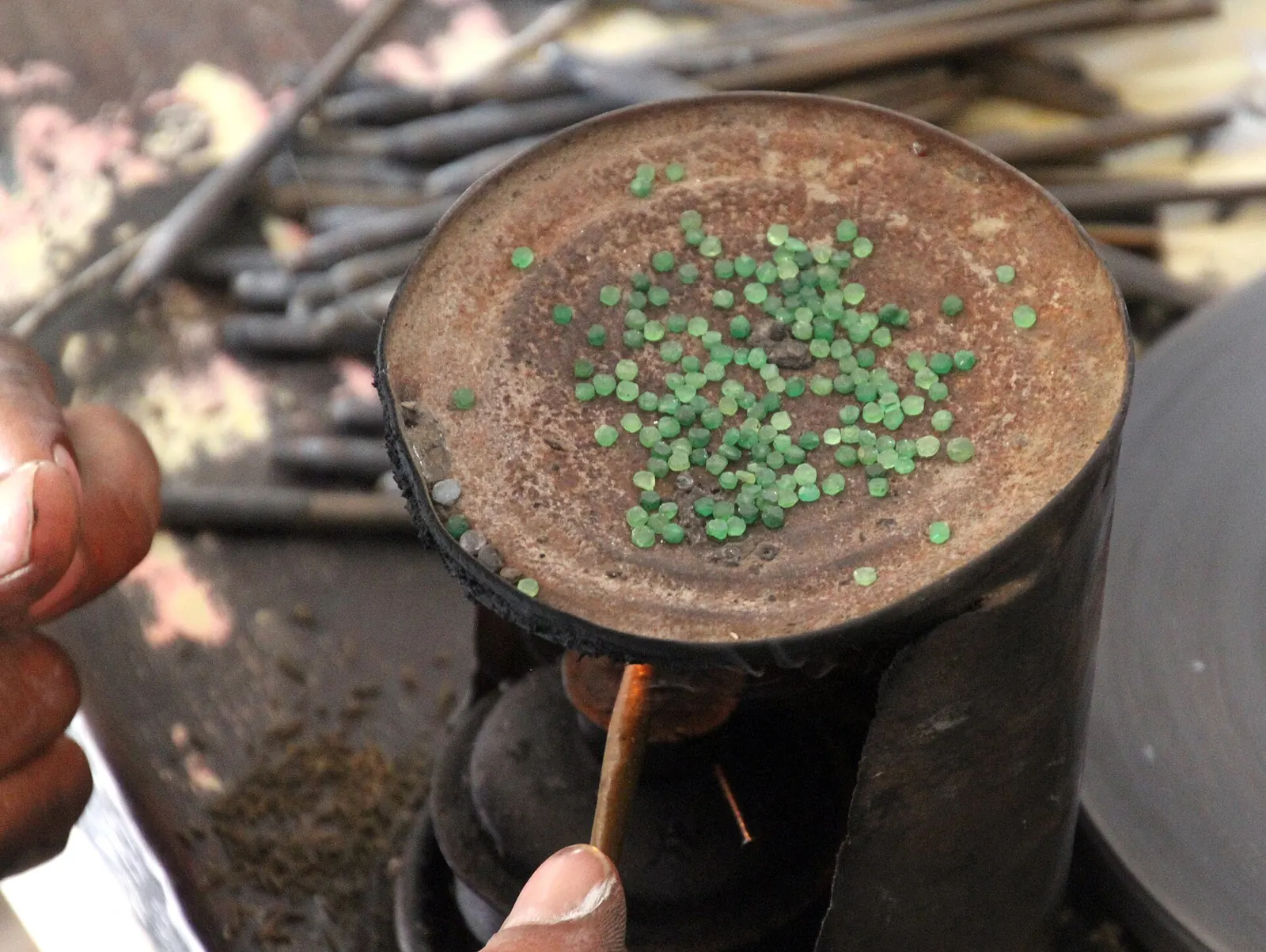
The authors heated 18 topaz samples from two Brazilian sources and tracked them with electron microanalysis, laser-ablation mass spectrometry, Raman and optical absorption spectroscopy. Blue Caraí topaz lost its colour at 300 °C; orange Ouro Preto topaz turned pink at 700 °C. Raman spectra barely changed, so detecting treatment needed trace-element chemistry (chromium up to 204 ppm, iron up to 125 ppm) and absorption bands. Limit: one mineral and two localities. The lesson for buyers: if it takes this much equipment to prove a stone was heated, a shop's certificate proves nothing.
Read the paper (free)A gem dealer's account of the Indian courier con, compiled from tourists who brought "seized" stones and stories to the firm. It names Delhi, Agra, Jaipur and Mumbai, describes the sequence above, and says demands usually run to several thousand euros or dollars. Its rule of thumb: the longer the friendship before the offer, the more expensive the scam. Limit: anecdotal and commercial, not a survey, so use it for the pattern rather than for frequency.
Read the report (free)Compared victims of romance scams, a form of advance-fee fraud, with people never scammed by mass-marketing fraud. Victims scored higher on urgency (acting rashly under emotion), sensation seeking and trust. Limit: Western online victims, not tourists in India, and the abstract does not give the sample size. It still describes the gem scam's design: a relationship first, then a crisis that demands an urgent decision.
Read the paper (free)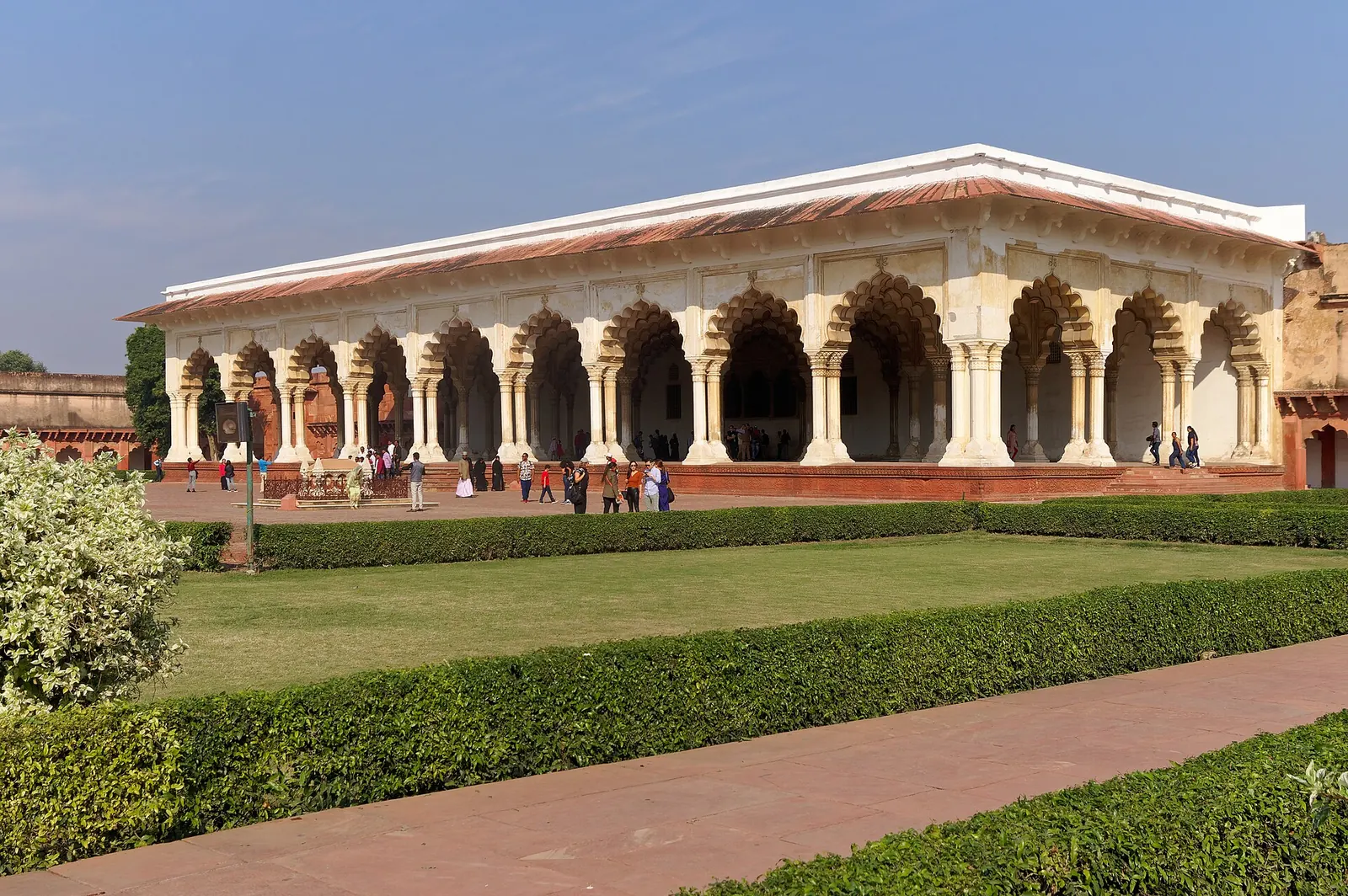
What does Agra's wider tout economy look like?
The gem con sits at the top of a pyramid of smaller, more common tricks around the Taj Mahal, Agra Fort and Fatehpur Sikri. The base of it is simple: prices visitors cannot check.
See the data as a table
| Entry fee (₹) | |
|---|---|
| Indian citizens | 50 |
| SAARC and BIMSTEC citizens | 540 |
| Other foreign visitors | 1100 |
Source: Archaeological Survey of India fees, as listed on Wikipedia (Taj Mahal) · Official dual pricing; touts exploit the fact that visitors do not know the correct figure.
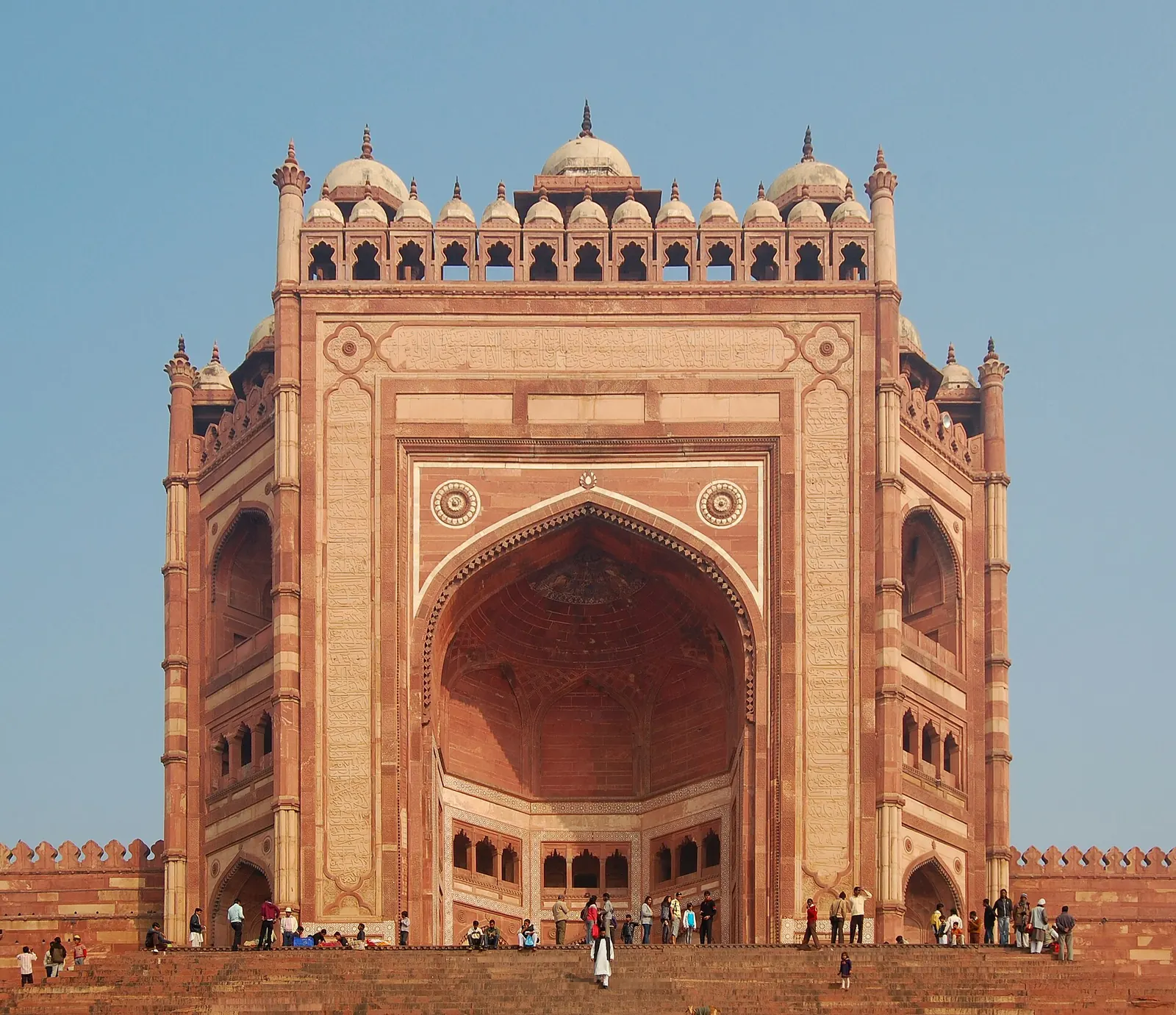
Official prices already differ by a factor of 22, which is explained in why monuments charge foreigners more. Touts work in the space that leaves. In December 2025 a family from Mumbai at Fatehpur Sikri said two guides charged them ₹300 each for a ticket that costs ₹50, and pressed them into a ₹5,100 offering at the dargah. Police arrested both and the money was refunded. That family was Indian; this is not only a foreigners' problem.
| Trick | What you are told | What is true |
|---|---|---|
| Ticket mark-up | The entry fee is several times the real price | Fees are fixed and printed; buy at the counter or online |
| Ritual pressure | An offering is "compulsory" or "customary" | Offerings are voluntary |
| Emporium commission | A "government-approved" shop with "wholesale" prices | The guide's cut is in your price |
| Gem courier deal | Ship stones and earn money, tax-free | No such legal deal; the customs "seizure" is staged |
| Fake officials | Customs or police need a settlement now | Officials issue written notices and never take you to a bank |
How do you buy gems or inlay in Agra or Jaipur without being cheated?
Buy only what you can afford to be wrong about, and never on someone else's recommendation. If a stranger brought you to the shop, assume his cut is in the price.
- Decide the budget first, and treat anything bought from a street contact as decorative, not an investment.
- Ask for an independent lab report for any expensive stone, not one issued by the seller or "his" lab. The Jaipur case turned on a fake hallmark certificate.
- Take the item with you. Promises to post, insure or deliver later are where switches happen.
- Pay by card, not cash or UPI to a personal account, so you have a dispute route.
- Never sign, post or pay anything "for a friend's business", however long you have known him.
If you have been caught
- Stop paying. Every further payment is a new loss, not a rescue of the old one.
- Call 112 if threatened, and the tourist helpline 1363.
- Call your card issuer to dispute charges, and 1930 or cybercrime.gov.in for online payments.
- File an FIR: a Zero FIR can be filed at any police station under BNSS section 173. Take the shop's name, receipts, chats and photos of the men involved if you can do so safely.
- Tell your embassy. They can help with a lawyer and with local police.
The laws: cheating is BNS section 318 (old IPC 420), extortion by threat is BNS 308 (old IPC 383 and 384), and pretending to be a customs officer or police is BNS 204 (old IPC 170). This is general information, not legal advice.
The same arrival-day scripts are explained in why touts swarm Delhi airport and the "hotel closed" scam. Jaipur's jewellery trade gets its own post in the Jaipur fake jewellery scam, and fake guides in why monuments attract touts. For the art behind the inlay, see the history of Mughal painting, and more of everyday India on the Kyun page.
What's new
- Two fake guides arrested at Fatehpur Sikri after overcharging a Mumbai family Free Press Journal, Dec 2025
- NCRB: crimes against foreigners in India rose 24% in 2023 Millennium Post, Oct 2025
- New spectroscopy study on detecting heat-treated topaz Scientific Reports, 2025
Questions people ask
What is the Agra gem scam?
A con in which a friendly local persuades a tourist to send or guarantee gems for a "business partner" abroad, with a promise of easy profit. A fake customs seizure follows, and the tourist is threatened into paying a large "settlement". The stones and the partner are props.
Can I make money exporting gems from India as a tourist?
No. Legitimate gem exports go through registered exporters with proper customs declarations. A scheme that relies on your name to avoid tax is either a scam or a customs offence, and in practice it is used to take your money.
Are the gems sold to tourists in Agra and Jaipur real?
Some are real, many are low-value, treated, synthetic or glass, and you cannot tell which by eye. Pay only what you would pay for a decorative piece unless you have an independent lab report.
Is it safe to accept chai or a meal from a friendly stranger?
Usually it is just hospitality. The warning sign is not friendliness but a business offer after it. The moment money, gems or your card come into the conversation, leave.
Sources
- Vienna Gem Center: Gem scams part 4, India (the step-by-step pattern and typical demands)
- The Independent via Yahoo News: US woman tricked into spending ₹6 crore on fake jewellery (June 2024)
- Free Press Journal: Fake guides at Fatehpur Sikri (December 2025)
- Wikipedia: Taj Mahal, visitor numbers, entry fees and ticket revenue
- Fridrichová J et al.: Forensic gemmological investigation of heat-treated topaz, Scientific Reports (2025)
- Whitty MT: Psychological characteristics of romance scam victims, Cyberpsychology, Behavior, and Social Networking (2018)
- Millennium Post: NCRB 2023 data on crimes against foreigners (October 2025)
- Wikipedia: Bharatiya Nyaya Sanhita, in force from 1 July 2024
- Wikipedia: Bharatiya Nagarik Suraksha Sanhita, Zero FIR under section 173
- Incredible India: Emergency numbers, tourist helpline 1363
- GOV.UK: India travel advice, safety and security

Sapta (Saptarshi Sarkar) is a mechanical engineer turned marketer in Bengaluru and a solo touring rider. He writes the seven Saptaverse blogs. Work with him or read more of Whyblog.