
Udupi restaurants began when cooks and temple staff trained around the Sri Krishna Matha in Udupi, mostly Shivalli and other coastal Brahmins, opened vegetarian eating houses in the growing cities: Bengaluru's Udupi Sri Krishna Bhavan traces itself to 1902, K. Krishna Rao opened his first Madras restaurants in 1926-27 and Old Woodlands in 1939, and Bombay's Matunga filled with Udupi hotels from the 1930s and 1940s. They standardised the idli, dosa, vada and filter coffee menu that the rest of India now calls "South Indian".
- 1902 is the founding year Bengaluru's Udupi Sri Krishna Bhavan claims; an academic account says the early 1920s.
- ₹700 in instalments bought K. Krishna Rao his first Madras restaurant in 1925; Woodlands followed in 1939.
- A 1923 flood in Udupi pushed more cooks and workers into the colonial cities.
- Separate Brahmin dining sections survived in big Madras hotels until the late 1960s.
- Matunga became Bombay's Udupi quarter, from Cafe Mysore (1936) to Udupi Sri Krishna Boarding (1942).
- No dated document proves who made the first masala dosa.
"Udupi" on a signboard in Delhi or Kolkata today usually means nothing more than a vegetarian South Indian menu. The original was a specific migration from one coastal district of Karnataka, driven by temple kitchens, a 1923 flood and the demand for cheap meals from clerks and migrants in colonial cities.
This history uses the research of Stig Toft Madsen and Geoffrey Gardella, published histories and restaurant records, and flags where the dates disagree.
What is an Udupi restaurant?
An Udupi restaurant is a vegetarian eatery in the style first run by cooks from Udupi, a temple town in coastal Karnataka, serving tiffin such as idli, dosa, vada, upma and kesari bath with sambar, chutney and filter coffee. The cuisine traces to the Sri Krishna Matha founded by the 13th-century philosopher Madhvacharya, whose kitchens prepared offerings for the deity and fed pilgrims.
The temple still feeds about 5,000 pilgrims on a quiet day and up to a lakh on festival days.
Who were the cooks?
The cooks came largely from the Shivalli Madhva Brahmins, a community that for generations served the Udupi temple as priests and cooks, so the cuisine is also called Shivalli Madhva cuisine. Other coastal Brahmin groups, notably Kota Brahmins, built some of the most famous Bengaluru restaurants.
The food is strictly vegetarian, and cooking for thousands of pilgrims a day is a large-scale catering operation in all but name. That is the skill the cooks carried to the cities:
- Volume: batching idli, rice and sambar for thousands, not dozens;
- Discipline: a fixed vegetarian menu with no onion-and-garlic shortcuts in the temple tradition;
- Speed: serving a crowd on time, which is exactly what a city tiffin room needs at 8 am.

Why did Udupi cooks leave for the cities?
Udupi's cooks left because colonial cities were filling with male migrants who needed cheap meals, and because hard times at home pushed them out. A major flood in 1923 devastated Udupi and pushed more workers out, according to the economic historian Chinmay Tumbe's history of Indian migration, India Moving.
It also raised the demand for low-cost public eating places in the cities where they landed.
K. Krishna Rao was born in 1898 in Kadandale, a village in South Kanara, to a small landholder who was also a priest and ayurvedic practitioner. His parents took him out of school to help at home. An uncle found him work at the Puthige mutt in Udupi; he then served as an attendant to a swamiji at another mutt and worked in a small restaurant nearby.
In Madras he began as a domestic servant, then became a kitchen boy at the Sharada Vilas Brahmins Hotel in George Town. In 1925 his employer offered him one of its restaurants for ₹700, payable monthly. By 1926-27 he had opened two restaurants on Mount Road, where, Madsen and Gardella write, no decent vegetarian restaurant had existed. In 1939 he opened what is now Old Woodlands. He died in 1990, and his sons still run the business.
Scroll.in: excerpt from Madsen and Gardella, Udupi Hotels: Entrepreneurship, Reform and RevivalThe founder's path, step by step
The founders' biographies in Madsen and Gardella's study follow a similar path. Most Udupi restaurants are still family-run, with ownership passing among relatives of the founder.
- Village boy. A young man from a village near Udupi, with little schooling.
- Temple or mutt. He starts as an attendant or kitchen hand.
- City hotel. He learns the trade as a kitchen boy or server in a city hotel.
- Owner on instalments. He takes over a restaurant and pays for it month by month.
- Family firm. Relatives join, and ownership passes down the family.
A historical study of entrepreneurs from the Udupi region who built restaurants and chains from the 1920s onward, first presented at the Asian Dynamics conference in Copenhagen in 2009. It traces founders such as K. Krishna Rao (Woodlands, born 1898) and K. Seetharama Rao (Dasaprakash, born 1899), and documents how Udupi hotels kept separate Brahmin dining sections until the late 1960s, how some barred Muslims until 1947, and how Dravidian movement campaigns from the late 1930s to 1957 pressured them to drop caste labels. The limit: it focuses on the big successful founders, so the thousands of small Udupi hotels that failed are barely visible.
Read the excerpt (free)When did the first Udupi restaurants open in Bengaluru?
Bengaluru has the oldest surviving Udupi-run eateries. Udupi Sri Krishna Bhavan in Balepet says it was founded in 1902 as "Udupi Hotel" by Rama Holla, and it has been on its present Balepet Main Road site since about 1926, which The Federal describes as the only Bengaluru restaurant to have stayed in one place for a century.
The Kota trio
All three of Bengaluru's centenarian restaurants trace to families from Kota village in Udupi district:
| Restaurant | Founded | Founder | Area |
|---|---|---|---|
| Udupi Sri Krishna Bhavan | 1902 (per the restaurant) | Rama Holla | Balepet |
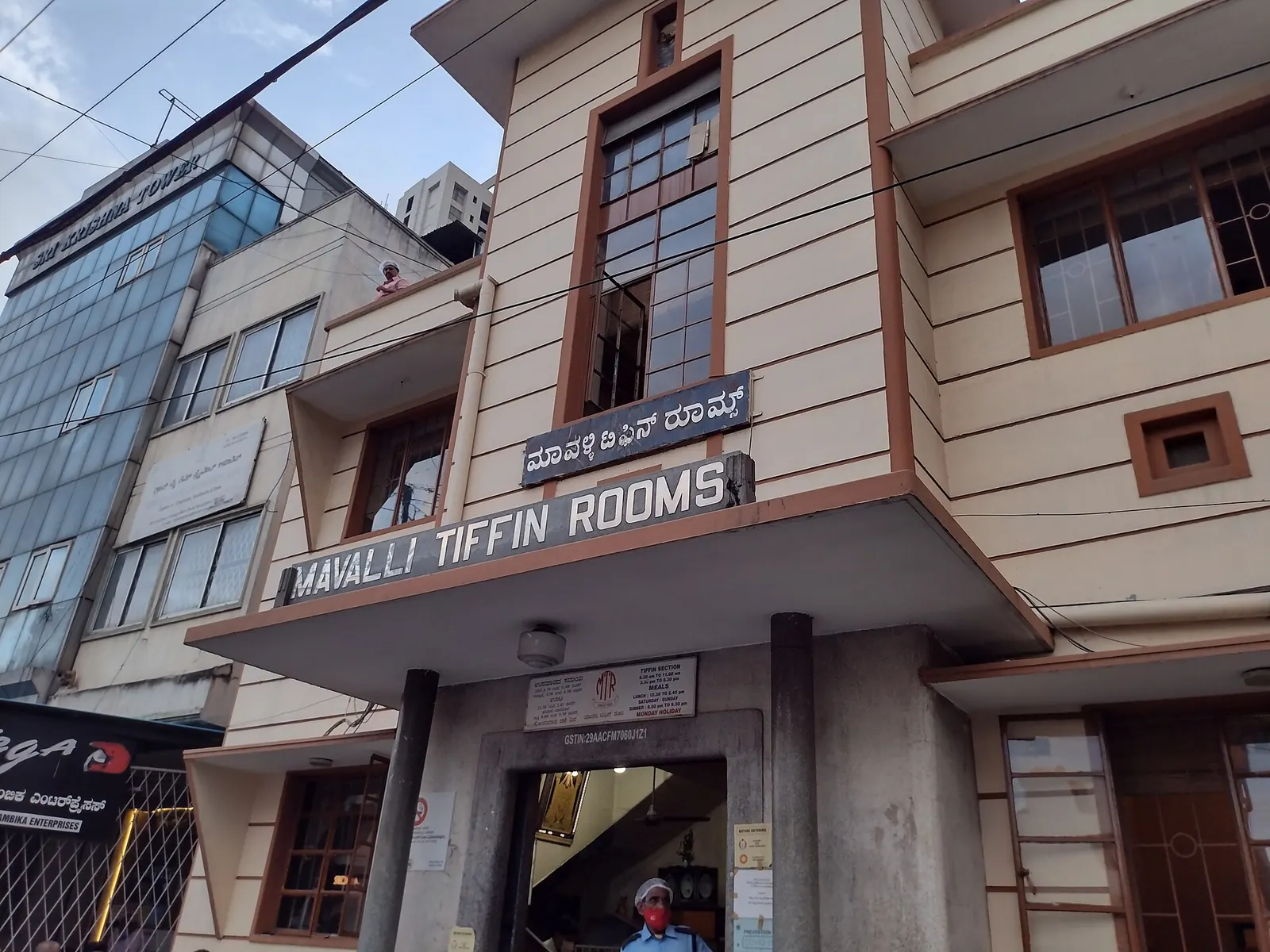
| Mavalli Tiffin Rooms (MTR) | 1924 | Two Kota Brahmin brothers | Lalbagh Road |
| Mahalakshmi Tiffin Room (MLTR) | 1926 | Ramakrishna Karanth | Basavanagudi |
MTR's own story, including its rava idli and its packaged foods business, is told in the MTR story, and the later stand-up "darshini" format that grew out of these tiffin rooms is in the Bengaluru darshini model.
How did Udupi hotels take over Madras?
In Madras the key figure is K. Krishna Rao, born in 1898 in Kadandale village, who had worked as an attendant at the Puthige matha in Udupi. He reached Madras in 1922 as a kitchen servant at the Sharada Vilas Brahmins Hotel in George Town.
In 1925 his employer offered him one of its restaurants for ₹700, payable in monthly instalments; in 1926-27 he opened two restaurants on Mount Road; and in 1939 he opened Udupi Sri Krishna Vilas, the present Old Woodlands. New Woodlands on Cathedral Road followed in 1952, and his business later expanded to Bombay. He died in 1990.
Dasaprakash
The second big Madras name, Dasaprakash, came from K. Seetharama Rao, born in 1899 in Kuthethoor village. In 1921 he left a salaried job in Mangalore to join his brothers' tiffin business in Mysore; the Dasaprakash Hotel in Madras opened in 1954.
What role did caste play in Udupi hotels?
Early Udupi hotels were openly caste-marked. The record shows three layers:
- Names: many used "Brahmin" in their signboards;
- Seating: major establishments such as Udupi Sri Krishna Vilas and New Woodlands kept separate Brahmin dining sections until the late 1960s;
- Entry: some barred Muslims until 1947.
In 1938, during anti-Hindi agitations, crowds attacked coffee stalls run by Brahmins in Madras; Madsen and Gardella write that E.V. Ramaswami Naicker (Periyar) allegedly incited the riots. In 1957 a campaign was launched to erase "Brahmin" from hotel name-boards, and Naicker himself painted over the word on one signboard.
The same restaurants that made eating out acceptable to caste-conscious vegetarians were pushed, by law and protest, to open their halls to everyone.
Madsen and Gardella read this as a story of reform under pressure. In Bombay, the Legislative Council had passed a resolution in 1923 on the right of Dalits to use public places, a legal backdrop they note for that city's restaurants.
How did Udupi restaurants spread in Bombay?
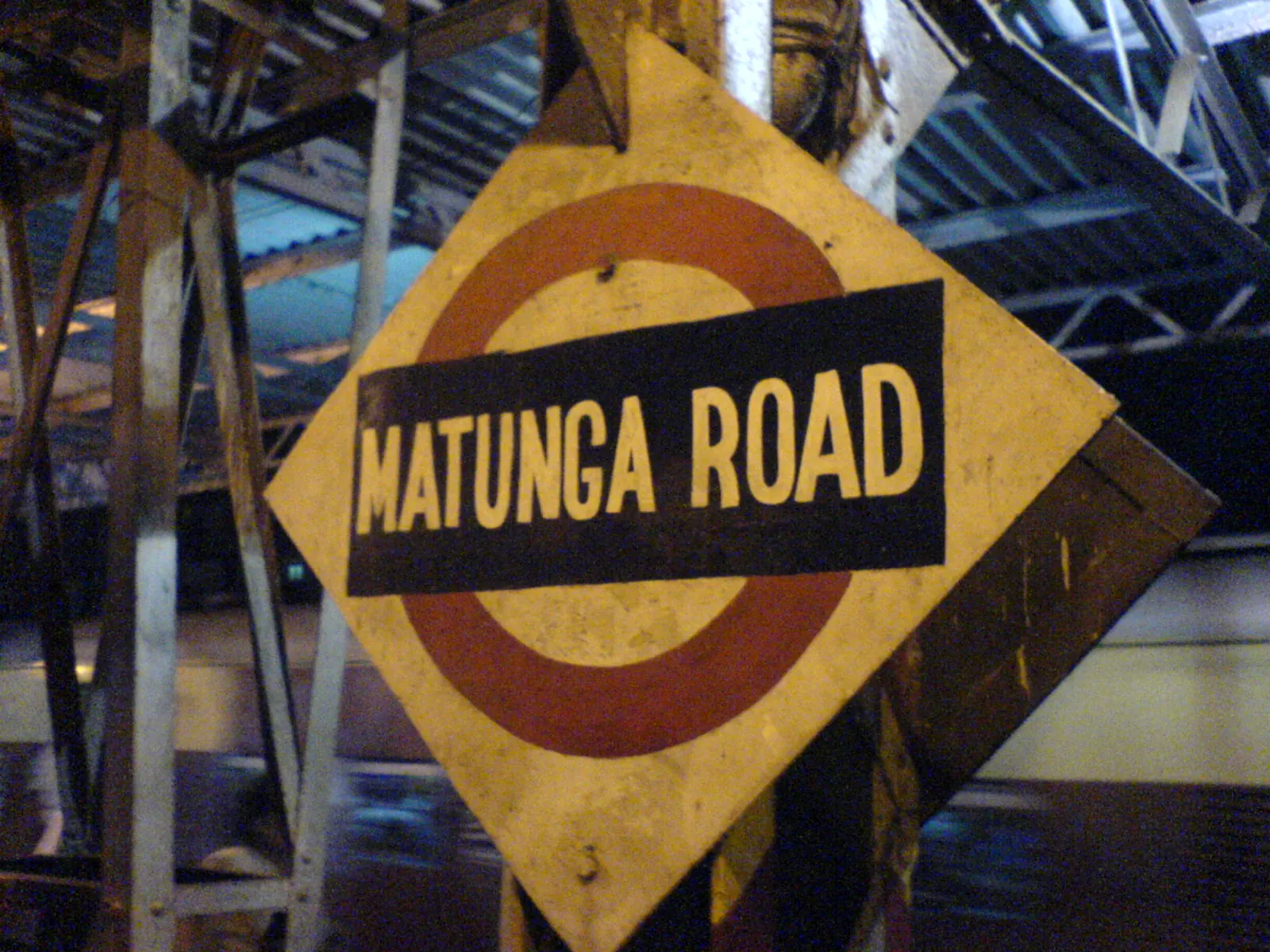
In Bombay, Udupi hotels clustered in Matunga, a neighbourhood with a largely South Indian population. Cafe Mysore in Matunga, founded in 1936 by a Rama Nayak who had come to the city from near Mangalore, still runs today.
A. Rama Nayak, who came to Bombay from Udupi as an 11-year-old in the 1930s, opened Udupi Sri Krishna Boarding in Matunga in 1942 and styled himself as the man who introduced Udupi hotels to the city. Cafe Madras also dates from this period. By the 1970s, Roads & Kingdoms reports, the city was "flooded" with Udupi hotels.
From place name to cuisine label
The name later spread far beyond the community. In the following decades Udupi restaurants spread to every state, and then followed the Indian diaspora abroad, by which time "Udupi" had become a cuisine label rather than a guarantee of where the owner came from.
Timeline: Udupi restaurants, 1902 to 2026
| Year | Event | City |
|---|---|---|
| 1902 | Udupi Hotel (later Udupi Sri Krishna Bhavan) founded by Rama Holla, per the restaurant | Bengaluru |
| 1921 | K. Seetharama Rao joins his brothers' tiffin business | Mysore |
| 1922 | K. Krishna Rao starts as a kitchen servant at Sharada Vilas Brahmins Hotel | Madras |
| 1923 | Flood in Udupi pushes more migrants to the cities | Udupi |
| 1924 | Mavalli Tiffin Rooms (MTR) founded | Bengaluru |
| 1926 | Mahalakshmi Tiffin Room (MLTR) founded | Bengaluru |
| 1926-27 | Krishna Rao opens two restaurants on Mount Road | Madras |
| 1936 | Cafe Mysore opens in Matunga | Bombay |
| 1938 | Brahmin-run coffee stalls attacked during anti-Hindi agitation | Madras |
| 1939 | Udupi Sri Krishna Vilas (Old Woodlands) opens | Madras |
| 1942 | Udupi Sri Krishna Boarding opens in Matunga | Bombay |
| 1952 | New Woodlands opens on Cathedral Road | Madras |
| 1954 | Dasaprakash Hotel inaugurated | Madras |
| 1957 | Campaign to erase "Brahmin" from hotel name-boards | Madras |
| 2024 | MTR completes 100 years | Bengaluru |
| Feb 2026 | Bengaluru's Rameshwaram Cafe opens in Churchgate; Matunga's Udupi hoteliers welcome it | Mumbai |
Did Udupi restaurants invent the masala dosa?
Nobody can prove who made the first one. The dosa itself predates restaurants. Claims about the masala dosa vary:
- P. Thankappan Nair traces the dosa to Udupi;
- other writers credit "Udupi hotels" in general;
- one account names K. Krishna Rao of Woodlands as its inventor.
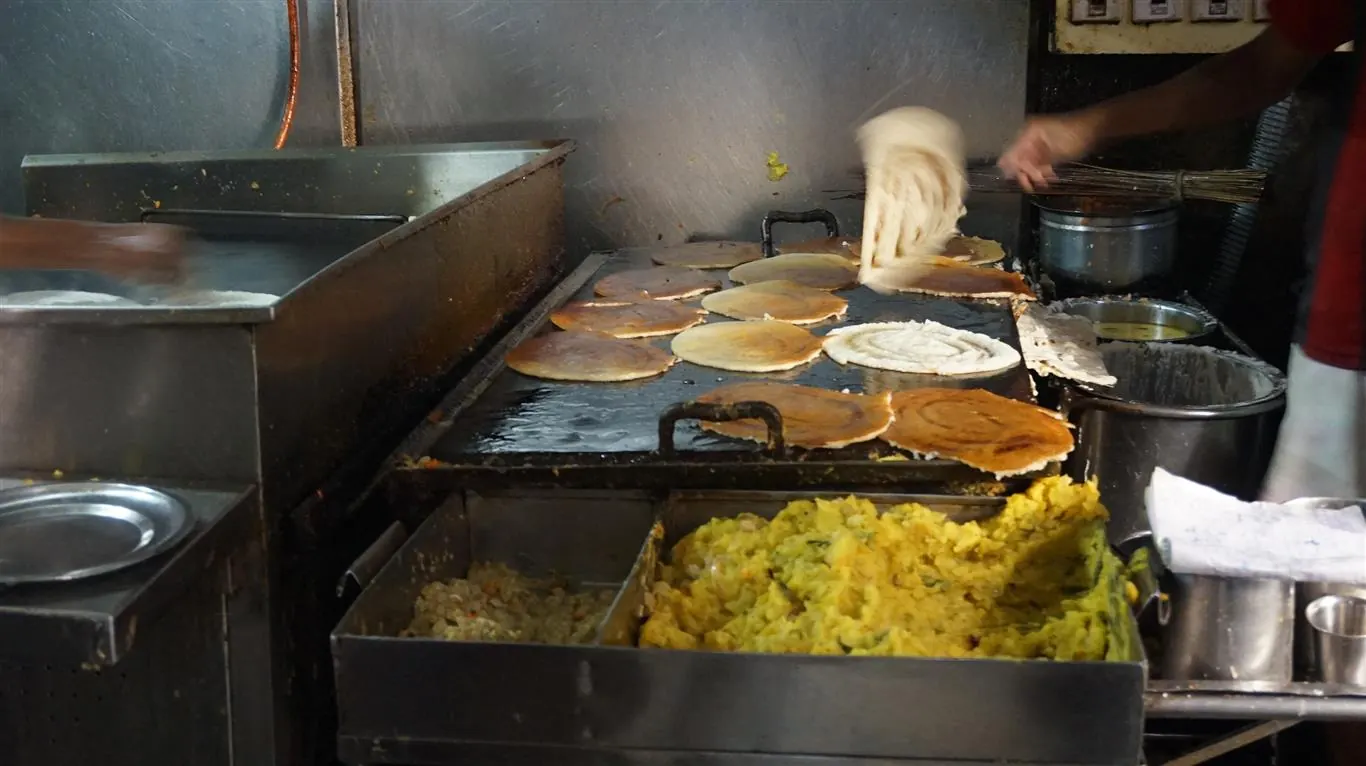
None of these rests on a dated menu or document. What is clear is that Udupi hotels made the potato-filled dosa a standard, affordable restaurant dish across India. The batter science is in idli and dosa batter fermentation.
What is actually in an Udupi breakfast?
An Udupi breakfast is mostly fermented rice and black gram, with lentils in the sambar and coconut in the chutney. Using the national food composition tables (IFCT 2017), black gram dal carries about three times the protein of milled rice per 100 g, which is why a dosa batter is more nutritious than plain rice.
See the data as a table
| Protein (g) | |
|---|---|
| Black gram dal (urad) | 23.06 |
| Red gram dal (toor, sambar) | 21.7 |
| Bengal gram dal (chana, chutney) | 21.55 |
| Rice, raw, milled | 7.94 |
| Rice, parboiled | 7.81 |
| Coconut, fresh | 3.84 |
Use this to check what you just read: plug in your own batter recipe.
What is in your dosa batter
India's reference table of nutrients in key Indian foods, analysed from samples collected across several regions of the country with standardised laboratory methods. For an Udupi kitchen's staples it gives 7.94 g protein and 1,491 kJ per 100 g for raw milled rice, 23.06 g and 1,356 kJ for black gram dal, 21.70 g for red gram dal and 3.84 g for fresh coconut, along with amino acids such as lysine (1.43 g per 100 g in black gram dal against 0.29 g in rice). The limit: it covers raw ingredients, not cooked restaurant dishes, so a hotel dosa's ghee and oil are not captured.
Visit ICMR-NIN (IFCT 2017)How to grind and ferment the batter at home is in the idli and dosa batter guide. For a broader picture of food and place, the Rasa world page collects the rest of this blog.
What's new
- Udupi Sri Krishna Bhavan and MLTR, two Bengaluru Udupi institutions, mark a century The Federal, Dec 2025
- Rameshwaram Cafe opens its first Mumbai outlet; Matunga's Udupi hoteliers say they welcome it Free Press Journal, Jan 2026
- Matunga's Cafe Mysore, serving South Indian food since 1936 ThePrint, Jul 2024
Questions people ask
Why are South Indian restaurants called Udupi?
Because the first wave of vegetarian South Indian eateries in Bengaluru, Madras and Bombay was opened by cooks and entrepreneurs from Udupi and the surrounding South Canara coast, many trained in the Krishna temple's kitchens. The name later became a general label for the cuisine.
Which is the oldest Udupi restaurant?
Among those still running, Bengaluru's Udupi Sri Krishna Bhavan dates itself to 1902, though one academic account places its founding in the early 1920s. MTR (1924) and MLTR (1926) are the other Bengaluru centenarians.
Who started Woodlands restaurant?
K. Krishna Rao, born in 1898 near Udupi. He opened Udupi Sri Krishna Vilas, now Old Woodlands, in Madras in 1939 and New Woodlands on Cathedral Road in 1952.
Are Udupi restaurants still run by people from Udupi?
The historic ones are: most remain family-run, with ownership passing among the founder's relatives, as at Udupi Sri Krishna Bhavan and MLTR in Bengaluru. Elsewhere "Udupi" is now a generic label for vegetarian South Indian food.
Sources
- Madsen S.T. and Gardella G.: excerpt from Udupi Hotels: Entrepreneurship, Reform and Revival, in Curried Cultures (eds Ray and Srinivas), on Scroll.in (2017; founders, dates, caste history, K. Krishna Rao's life story)
- Roads & Kingdoms: The famed Udupi hotels of Mumbai (2017; Udupi temple meals, A. Rama Nayak, 1942)
- The Federal: USKB and MLTR, two legendary Bengaluru restaurants, turn 100 (2025)
- ThePrint: Matunga's Cafe Mysore has been serving South Indian food since 1936 (2024)
- Wikipedia: Udupi cuisine (citing Tumbe, India Moving, 2018, on the 1923 flood; Nair on dosa origins) (accessed 2026)
- Free Press Journal: Rameshwaram Cafe to open first Mumbai outlet (2026)
- ICMR-National Institute of Nutrition: Indian Food Composition Tables 2017 (2017)

Sapta (Saptarshi Sarkar) is a mechanical engineer turned marketer in Bengaluru and a solo touring rider. He writes the seven Saptaverse blogs. Work with him or read more of Foodblog.


