Bhang is legal in much of India because the NDPS Act, 1985 defines "cannabis" in Section 2(iii) as only charas (resin), ganja (flowering or fruiting tops) and mixtures of them, and expressly leaves out the seeds and leaves when they are not accompanied by the tops. Bhang is made from the leaves, so it falls outside the Act and is regulated by state excise law instead, which is why licensed bhang shops can trade in Uttar Pradesh and Rajasthan. Ganja and charas are "cannabis", and possessing them is punishable under Section 20 with anything from a fine to 20 years in prison, depending on the quantity.
- Section 2(iii) of the NDPS Act defines cannabis as charas, ganja and their mixtures; leaves and seeds without tops are excluded.
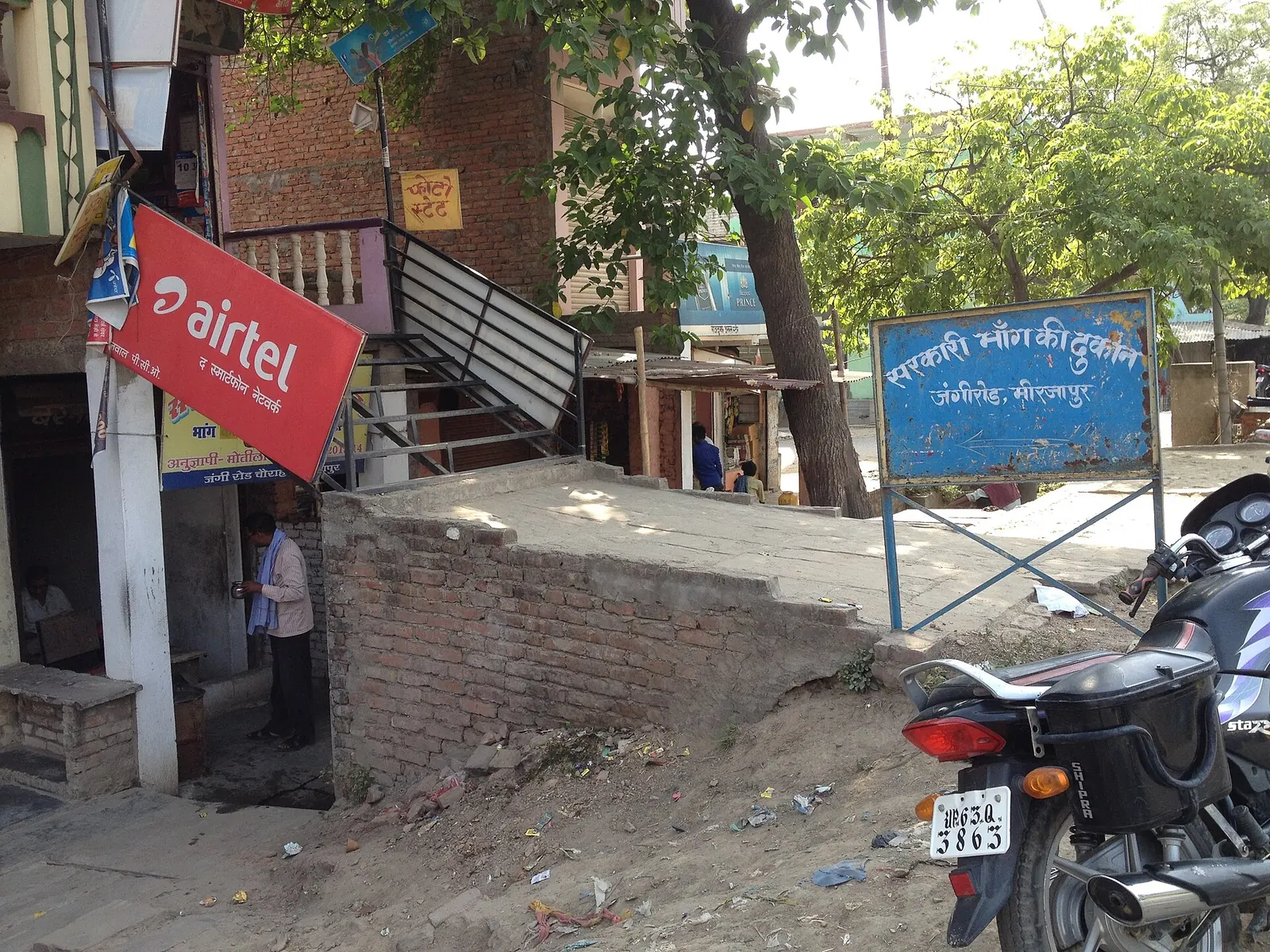
- States decide on bhang: Uttar Pradesh licenses bhang shops, while Assam banned ganja and bhang under a 1958 Act.
- 1 kg ganja / 100 g charas is the "small quantity" line; 20 kg / 1 kg is "commercial" (S.O. 1055(E), 2001).
- 10 to 20 years of rigorous imprisonment is the range for commercial quantity under Section 20(b)(ii)(C).
- Growing the plant is still a crime: up to 10 years under Section 20(a), even if you only want the leaves.
- About 2% of Indians use bhang versus 1.2% for other cannabis products, per the 2019 national survey.
Visitors are often confused by the same scene: a government-licensed bhang shop selling cannabis-leaf paste openly near a temple, and a police checkpost an hour away booking a backpacker for a few grams of hashish. Both are lawful outcomes of one statute.
The split is not a loophole someone found later. It was written in on purpose, and it follows a line India drew at the United Nations in 1961.
This is general information, not legal advice. The NDPS Act is a special law, so its offences were not renumbered by the Bharatiya Nyaya Sanhita, 2023; the section numbers below apply both before and after 1 July 2024.
How can bhang be legal if it comes from the cannabis plant?
Because the law defines cannabis by plant part, not by plant species. The NDPS Act's Section 2(iii) has three limbs:
- (a) Charas: the separated resin, crude or purified, including hashish oil.
- (b) Ganja: the flowering or fruiting tops of the plant, excluding the seeds and leaves when not accompanied by the tops.
- (c) Mixtures: any mixture of the above, with or without neutral material, and any drink prepared from them.
Bhang is a paste or drink of ground leaves. Leaves are not in any limb, so bhang is not "cannabis" under the Act. Note limb (c): a drink made from ganja tops is cannabis, whatever the shop calls it.
Why did the law leave bhang out?
Because India negotiated it out at the UN, and the 1985 Act copied the treaty's definition. Wikipedia's account of the history, which cites the UN's own commentary, runs like this:
- 1893 to 1894: the colonial Indian Hemp Drugs Commission concluded that moderate use of hemp drugs was the norm and excessive use relatively uncommon.
- 1961: the UN Single Convention on Narcotic Drugs grouped cannabis with hard drugs. India won a compromise: the treaty defined cannabis as the tops and resin, which left the leaves, and so bhang, outside, and gave India 25 years to end recreational use of the rest.
- 1985: near the end of that window, Parliament passed the NDPS Act with the same definition.
- 9 December 2020: India voted with the majority (27 to 25) to remove cannabis and resin from Schedule IV, the treaty's most restrictive list.
The religious and social weight of bhang is part of why the compromise mattered. It is drunk at Holi and Mahashivratri, and Varanasi is known for preparing it on the ghats.
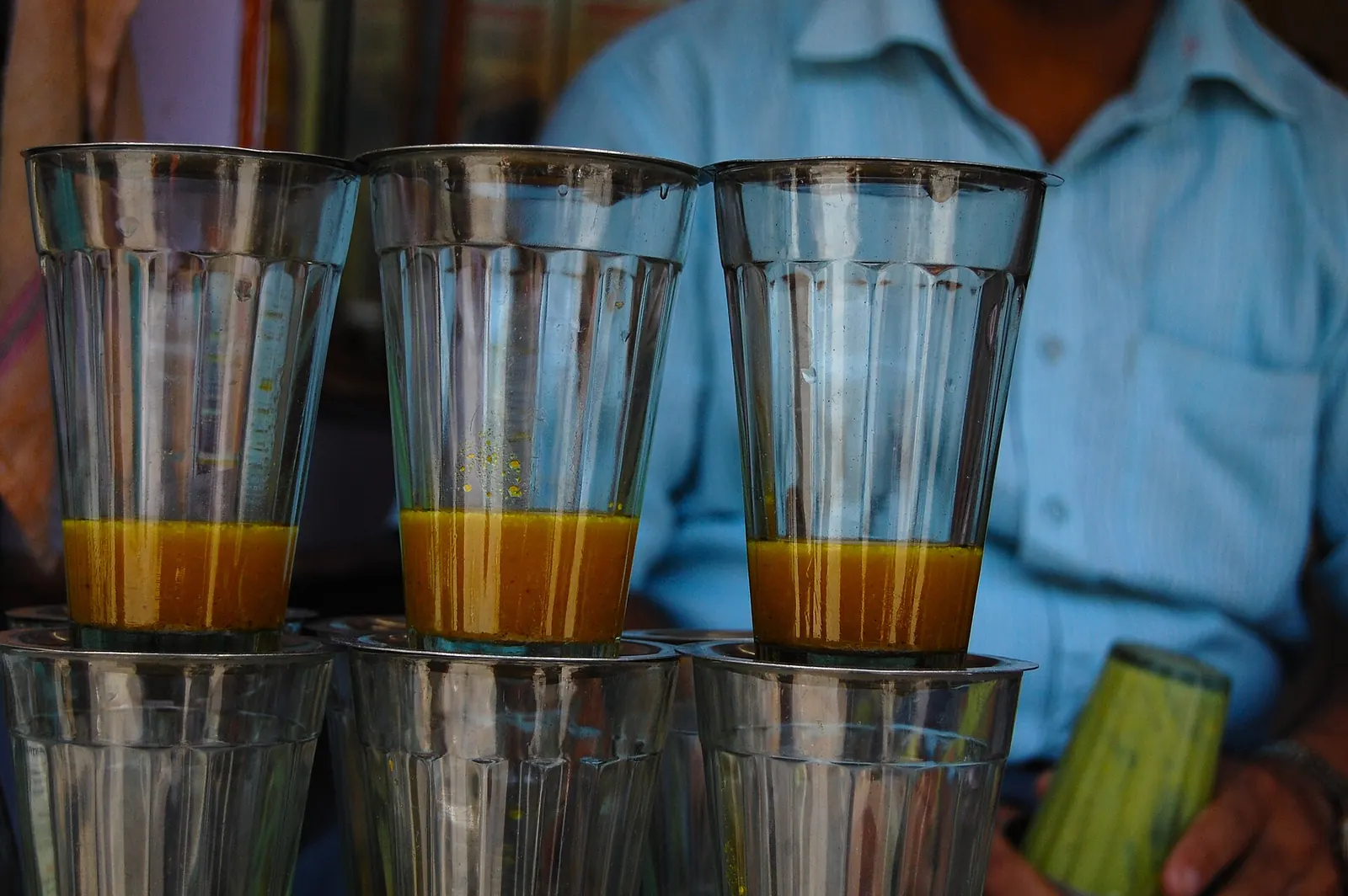
So who regulates bhang, if not the NDPS Act?
State governments, through excise laws. Section 10 of the NDPS Act also lets a state permit and regulate the cultivation, possession, sale and use of cannabis other than charas. The result is a patchwork:
| State | Bhang position | Source |
|---|---|---|
| Uttar Pradesh | Licensed bhang shops | Wikipedia: Bhang |
| Bihar, West Bengal | Production allowed | Wikipedia: Bhang |
| Rajasthan | No production; licensed sale of bhang bought from producing states | Wikipedia: Bhang |
| Assam | Sale, possession and use banned (Assam Ganja and Bhang Prohibition Act, 1958) | Wikipedia: Cannabis in India |
| Gujarat | Removed bhang from its Prohibition Act's drug list, February 2017 | Wikipedia: Cannabis in India |
| Karnataka | High Court said in August 2022 that bhang is not prohibited under NDPS | Wikipedia: Cannabis in India |
What happens when police can't tell bhang from ganja?
The case drags until a lab and a court decide. The most striking recent example ended in 2026.
On 17 October 2000, police intercepted a man near the Chaibasa bus stand in what is now Jharkhand and opened his briefcase in front of witnesses and a gazetted officer. They recorded 12 polythene packets, about 11 kg, of "ganja". A forensic report dated 29 November 2002 said the substance was bhang. He was convicted anyway under Sections 20(b), 22(b) and 11(b) of the NDPS Act and sentenced to seven years' rigorous imprisonment and a ₹50,000 fine. His appeal, filed in 2009, was decided by Justice Pradeep Kumar Srivastava of the Jharkhand High Court in 2026: bhang is excluded from the definition of cannabis, there was no cultivation charge, and the conviction was "absolutely illegal". It was set aside, about 26 years after the seizure.
Verdictum: Sunil Kumar Singh v State of Jharkhand, 2026:JHHC:19082 (Jul 2026)LiveLaw's report of the same judgment says the court relied on earlier rulings of the Karnataka, Punjab and Haryana, Bombay and Rajasthan High Courts reaching the same conclusion. The legal point is settled; the practical risk is the decades between arrest and acquittal.
How much ganja or charas is a "small quantity" in India?
Under 1 kg of ganja or 100 g of charas is a small quantity; 20 kg of ganja or 1 kg of charas and above is commercial. The thresholds come from the central government notification S.O. 1055(E) of 19 October 2001, as reproduced by the Kerala High Court in 2011 and cited in High Court judgments ever since.
| Band | Ganja | Charas / hashish | Punishment, Section 20(b)(ii) |
|---|---|---|---|
| Small | Below 1 kg | Below 100 g | Up to 1 year RI, or fine up to ₹10,000, or both |
| Intermediate | 1 kg to under 20 kg | 100 g to under 1 kg | Up to 10 years RI and fine up to ₹1 lakh |
| Commercial | 20 kg and above | 1 kg and above | 10 to 20 years RI and fine of ₹1 lakh to ₹2 lakh (more with reasons) |
Three details change real outcomes:
- The whole mixture is weighed. In Hira Singh v Union of India (22 April 2020), a three-judge Supreme Court bench held that neutral material mixed with a drug counts towards the quantity. Ganja baked into cookies is weighed as cookies.
- Bail is hard for commercial quantity. Section 37 requires the court to find reasonable grounds that the accused is not guilty and will not offend on bail.
- Repeat offences cost more. Section 31 raises the maximum term and fine by half for a second conviction.
See the data as a table
| Years (years) | |
|---|---|
| Consumption (s.27) | 0.5 |
| Small quantity | 1 |
| Intermediate | 10 |
| Commercial (minimum) | 10 |
| Commercial (maximum) | 20 |
| Cultivation (s.20(a)) | 10 |
Source: NDPS Act 1985, sections 20 and 27 (Indian Kanoon) · Commercial quantity carries a 10-year minimum. Small quantity and consumption can end in a fine alone.
Is smoking a joint treated the same as carrying ganja?
No. Consumption has its own, lighter section, and first-time users have an exit route.
- Section 27(b): consuming cannabis is punishable with up to 6 months, a fine up to ₹10,000, or both.
- Section 64A: an addict charged with consumption or a small-quantity offence is immune from prosecution if they volunteer for de-addiction treatment at a government or government-recognised centre and complete it.
- Possession is still charged separately. If you are caught holding the rest of the stash, Section 20 applies to that quantity.
Few people know these rules, including people already in treatment.
A cross-sectional study of 96 adults with substance use disorder at the psychiatry outpatient clinic of AIIMS Bathinda (May to June 2022), using a 10-item, expert-validated questionnaire on NDPS provisions. 79.2% had poor legal awareness. Only 26% knew possession is illegal, 29.2% knew punishment depends on quantity, and 29.2% knew about the treatment-linked protection for small quantities. Graduates were far more likely to be aware (adjusted odds ratio 22.8). The paper also cites national figures of about 2% for bhang use and 1.2% for other cannabis products. Limits: one clinic, two months, 98% men.
Read the paper (free)See the data as a table
| Users (%) | |
|---|---|
| Bhang | 2 |
| Ganja and charas | 1.2 |
Source: Magnitude of Substance Use in India 2019, as cited by Barwa et al., Indian Journal of Psychiatry 2026 · Rounded figures as cited in the paper.
Can I grow a cannabis plant at home for the leaves?
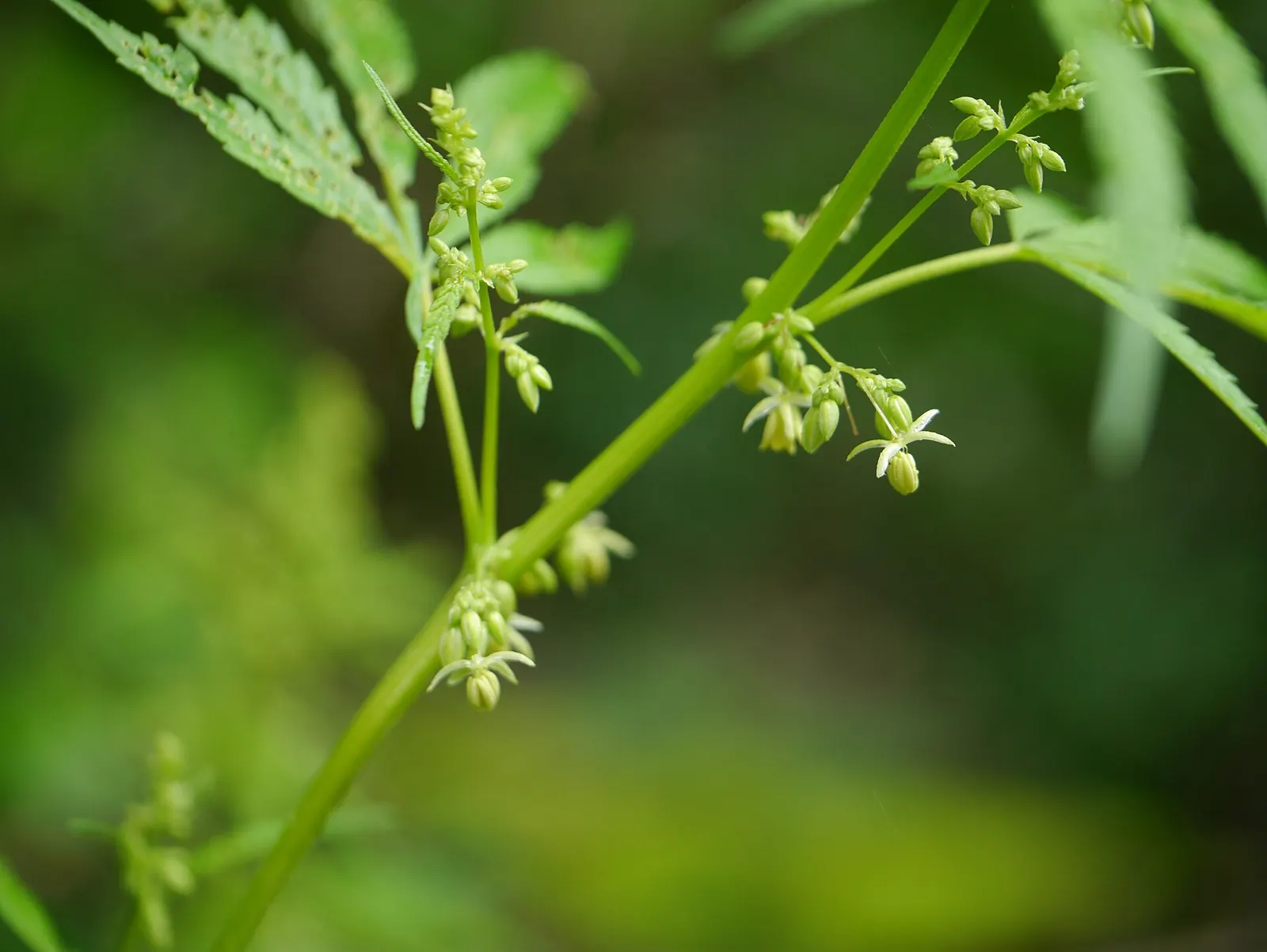
No. Section 20(a) punishes cultivating any cannabis plant without a licence with up to 10 years' rigorous imprisonment and a fine up to ₹1 lakh, whatever part you intend to use. The Jharkhand court stressed exactly this: bhang is outside the Act, but cultivation is not.
Legal cultivation exists only under licence. Section 14 lets the government allow cannabis cultivation for fibre, seed or horticulture, and Uttarakhand legalised cultivation for industrial purposes in November 2015.
Is bhang safe just because it is legal?
No. Legality is a drafting choice; the THC in leaves still acts on the body, and edible doses are hard to judge.
Doctors at AIIMS Rishikesh describe a 28-year-old man who drank large amounts of bhang and alcohol during Holi, ignored chest pain for about 24 hours, and arrived with an anterior heart attack, an ejection fraction of 30 to 35%, and blocked coronary arteries that needed three stents. He later needed electrical cardioversion for ventricular tachycardia. The authors suggest THC can promote clotting and vessel spasm, with alcohol adding to it. Limits: one case, no measured dose or toxicology, and smoking and alcohol were confounders.
Read the paper (free)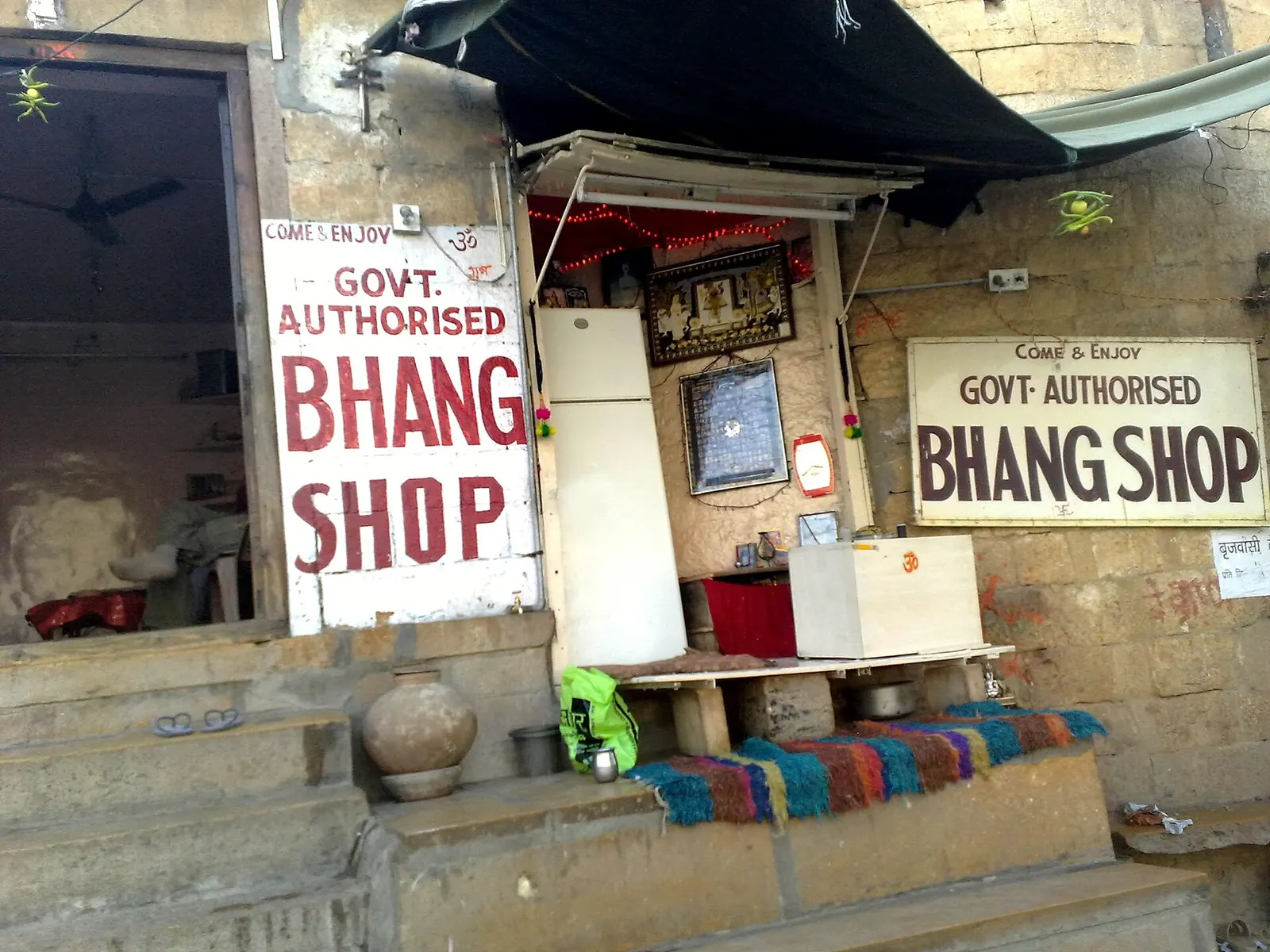
Bhang, ganja, CBD: what is legal?
If you are travelling in the Parvati valley, read why tourists in Kasol and Malana keep getting NDPS cases. Related rules: the 2019 vape ban, drinking in public and your rights on arrest. For the brain science of why intoxicants pull us back, see dopamine and reward prediction error.
What's new
- Jharkhand High Court rules bhang is not cannabis under NDPS, sets aside 7-year sentence LiveLaw, Jul 2026
- Full report of the 2026 bhang judgment with neutral citation Verdictum, Jul 2026
- AIIMS Bathinda study: four in five patients have poor NDPS legal awareness Indian Journal of Psychiatry, 2026
- UK travel advice warns that drug cases in India can keep visitors detained for years GOV.UK, Oct 2026
Questions people ask
Is bhang legal in India?
Bhang is outside the NDPS Act because Section 2(iii) excludes cannabis leaves from the definition of cannabis. It is legal where a state permits it, such as at licensed shops in Uttar Pradesh, and banned where a state forbids it, such as Assam under its 1958 Act.
How much weed is a small quantity in India?
Less than 1 kg of ganja or 100 g of charas, under notification S.O. 1055(E) of 2001. Small-quantity possession is punishable with up to 1 year's rigorous imprisonment, a fine up to ₹10,000, or both, under Section 20(b)(ii)(A).
Is CBD oil legal in India?
The NDPS Act covers products made from the resin and tops. Products made from leaves or seeds fall outside it, but drug and food rules also apply, so check how a product is made and licensed. We found no single official ruling covering all CBD products, so treat claims of blanket legality with caution.
Can tourists buy bhang legally?
From a licensed shop in a state that permits sale, yes. Carrying it into a state that bans it, or buying "bhang" that is really ganja, can put you on the wrong side of state excise law or the NDPS Act.
What is the punishment for smoking ganja in India?
Up to 6 months in prison, a fine up to ₹10,000, or both, under Section 27(b). An addict who volunteers for and completes de-addiction treatment can claim immunity under Section 64A.
Sources
- Indian Kanoon: The NDPS Act, 1985 (sections 2(iii), 10, 14, 27, 31, 37, 64A)
- Indian Kanoon: Section 20, NDPS Act (penalties by quantity)
- Kerala High Court, Binu v Union of India (2011) (reproduces S.O. 1055(E), 19 Oct 2001 quantities)
- Supreme Court, Hira Singh v Union of India (22 Apr 2020) (mixture weight counts)
- Verdictum: Sunil Kumar Singh v State of Jharkhand, 2026:JHHC:19082 (Jul 2026)
- LiveLaw: Jharkhand High Court on bhang and the NDPS Act (Jul 2026)
- iPleaders: Punishment for possession of marijuana (quantity bands, secondary)
- Wikipedia: Cannabis in India (Hemp Drugs Commission, 1961 Convention, state rules, 2020 UN vote)
- Wikipedia: Bhang (state licensing, festivals)
- Barwa et al.: Legal awareness under the NDPS Act among patients with SUD (Indian J Psychiatry, 2026)
- Kumar et al.: Acute myocardial infarction following bhang consumption (Toxicology Reports, 2024)
- GOV.UK: India travel advice, safety and security (updated Oct 2026)

Sapta (Saptarshi Sarkar) is a mechanical engineer turned marketer in Bengaluru and a solo touring rider. He writes the seven Saptaverse blogs. Work with him or read more of Whyblog.